
“You have to have nerves of steel to be a hostess in DC,” Sally Quinn tells me, recalling the decades of bipartisan fêtes she and her late husband, Ben Bradlee, threw in the notoriously fraught epicenter of American politics. It’s a sentiment that feels increasingly weighty in a climate contoured by divide and disagreement, in a world where the political and the personal are no longer distinguishable, and in a context in which most of us find ourselves capable of arching toward enmity with lovers and strangers alike.
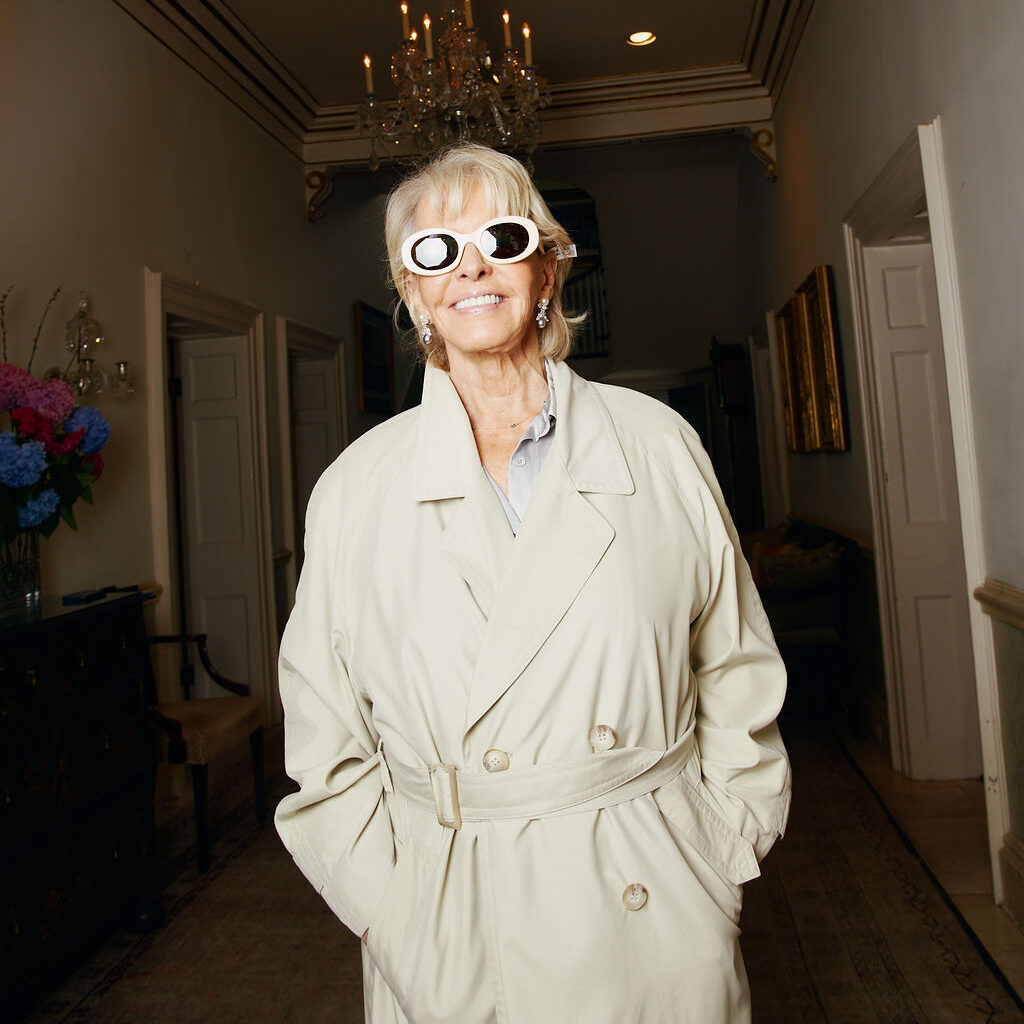
Icy blonde, sharp as a tack, and still in command of the volumetric Dallas-esque glamour evident in Warhol’s immortalizations of her, the 84-year-old journalist, socialite, and lauded entertainer is relatively unchanged since the days when she welcomed everyone from Barry Goldwater to Lauren Bacall into her home. Endowed with the taste and grace of Martha Stewart and the Marquise Isabelle de Merteuil’s talent for swift—if sometimes withering—appraisal, Quinn is both a reminder of a bygone moment in American culture and a role model for how we might approach our current circumstance—if only we had the real estate portfolios and expendable incomes to try our hands.
Trained as an actor but a journalist by trade, Quinn gained notoriety in the early 1970s for her wry party reporting and profiles of Washington’s elite, the latter of which were often so blistering that Norman Mailer is rumored to have referred to her as “Poison Quinn.”
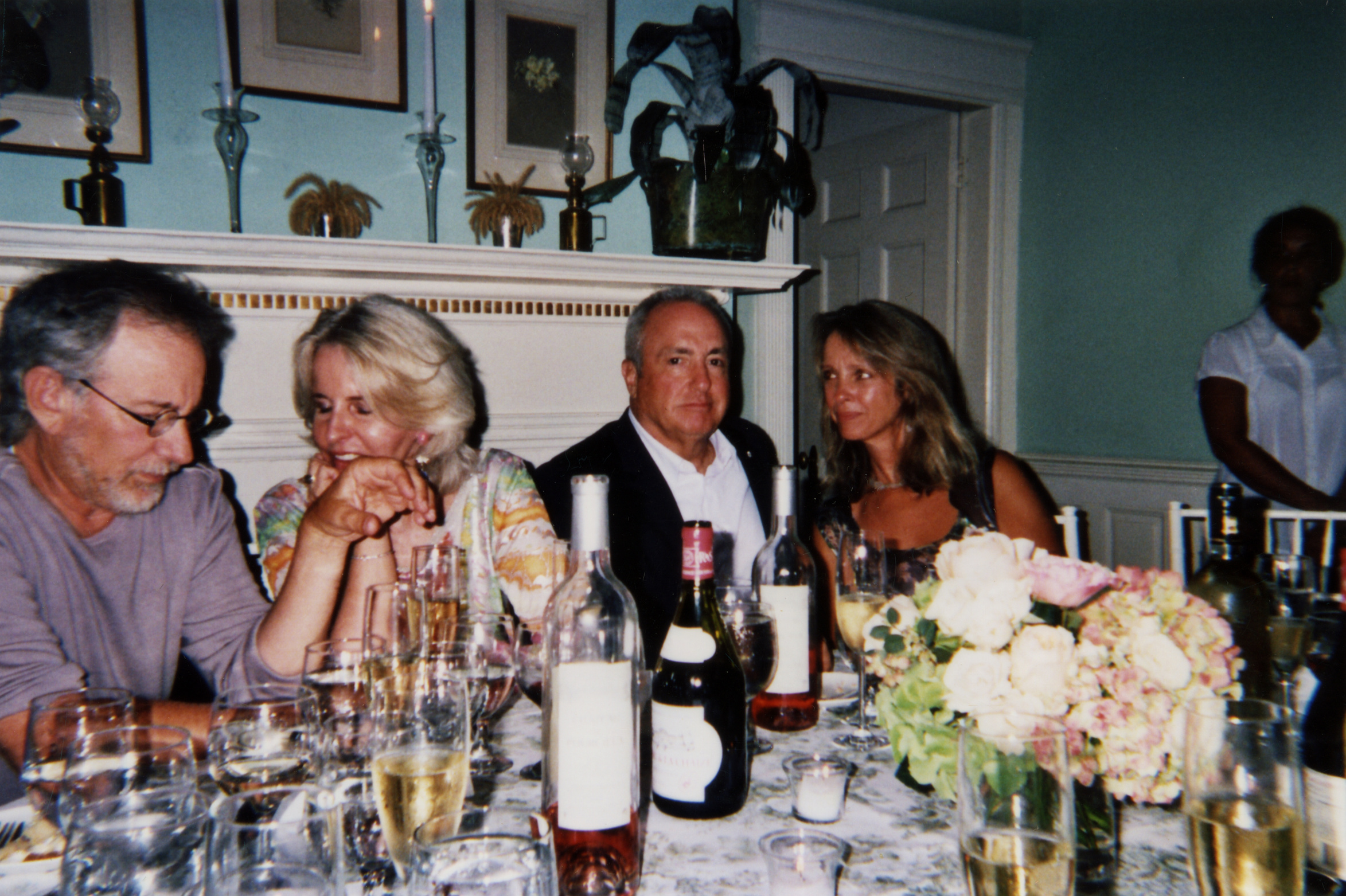
In 1978, Quinn wed Bradlee, the powerful (and freshly divorced) editor of The Washington Post, and immediately set about cementing her reputation as a writer with a penchant for caustic observation and a hostess whose social pull was second only to that of the nation’s first ladies, who also happened to be some of her most beloved targets (Hillary Clinton “wasn’t interested in your invitation unless it came with a purpose”; Nancy Reagan “would rather sit next to a movie star than a Cabinet secretary—and she didn’t try to hide it”).
Bradlee-Quinn parties took place on the couple’s various properties, which included an allegedly haunted Georgetown mansion for much of the year and the legendary Long Island Grey Gardens estate in the summers. Invitations became institutionalized signifiers of power—and the events were so breathlessly covered by the press that Quinn eventually relented and wrote her 1978 how-to, The Party: A Guide to Adventurous Entertaining, about how to master the “blood sport” (her words) that is entertaining masters of the universe.
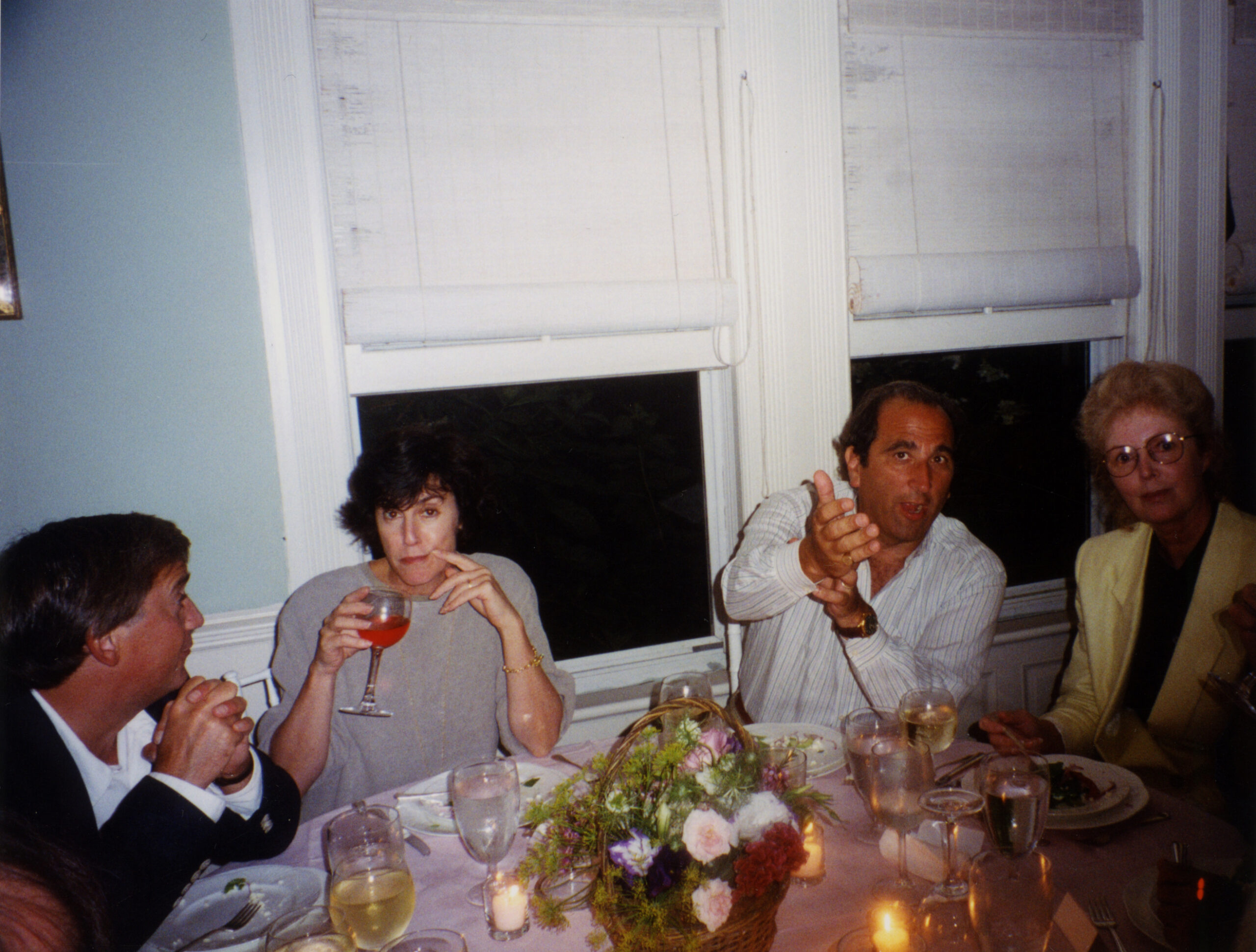
Alas, the party never lasts forever, and it seems that DC has lost some of its carbonation in recent years, its social scene splintered by a string of presidents with a penchant for decentralization (Obama liked his privacy, and Trump likes his… well, you know). If the social colosseum over which Quinn once presided has been largely relegated to the province of memory, its grand dame has maintained her regal aura nonetheless.
When we spoke, her cinematic charm was in full bloom, regaling me with shimmering recollections of the Bernsteins and Capotes who once sat at her (painstakingly mapped-out) table. Quinn still relies on her uncanny ability to read a room (Nora Ephron, one of her renowned frenemies, once quipped that Quinn could “tell you who was going to be fired in the Carter administration based on the seating at a dinner party”). She knows how to reveal just enough to conjure intimacy, when to dish and when to graciously evade, what will keep a conversation flowing and what will trigger its terminal decline. It didn’t take long for her to ascertain that I don’t care about politics or manners or successful people. I like ghosts, gossip, and access to places I have no business entering. It turns out she does too.
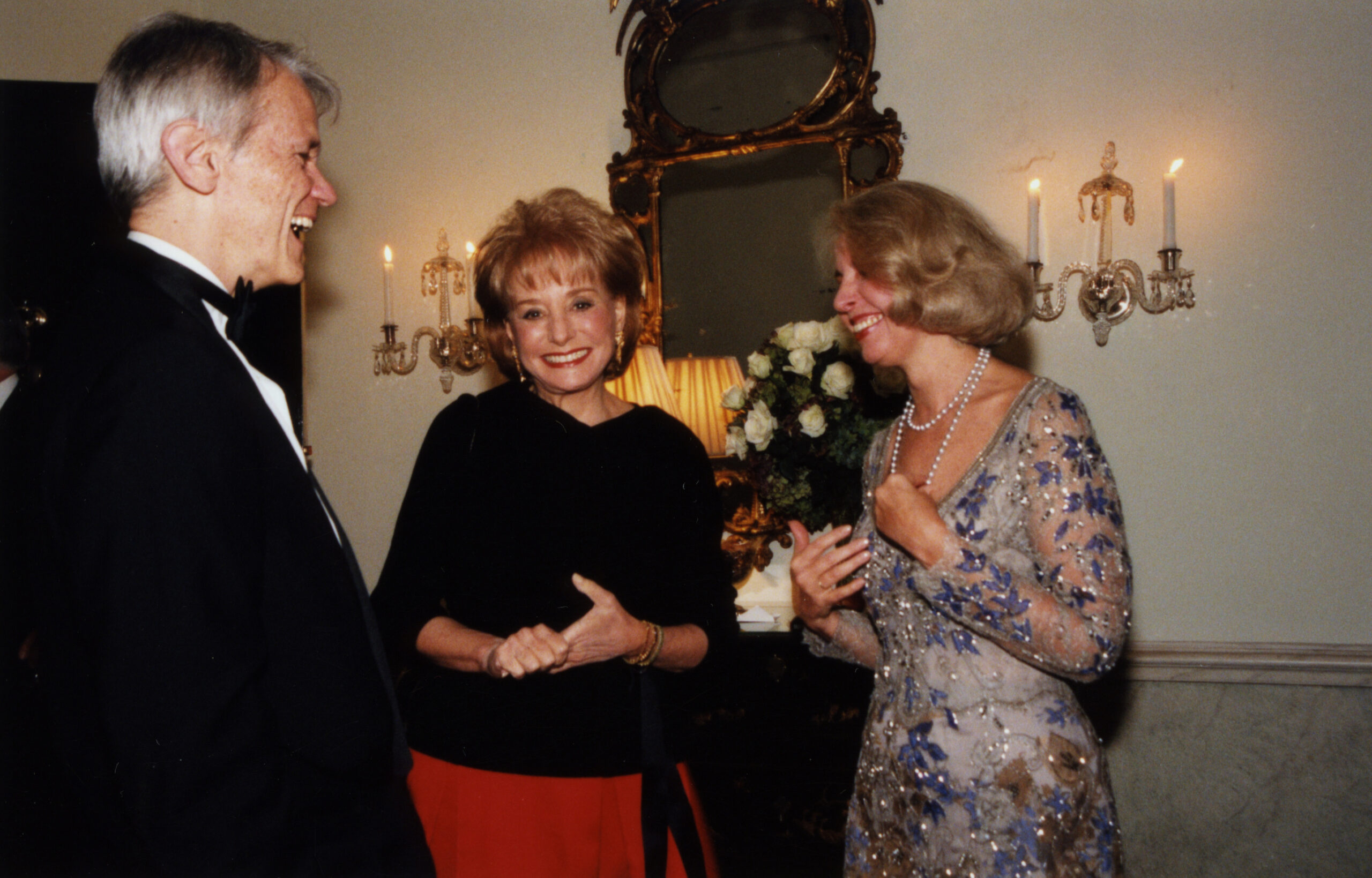
While she blithely dodged my questions about her rumored belief in the occult—curses and Ouija boards and tarot cards—it occurred to me that part of being a good hostess is knowing how to keep the riffraff out of your private rooms. One tale she was not wary of telling was how she ended up as the keeper of Grey Gardens, her and Bradlee’s summer home for 40 years. Quinn purchased the property after a single visit in 1979, seven years after the tumble-down East Hampton estate—and its equally tumble-down mistress, Little Edie Beale had been featured on the cover of New York magazine. By that point, the public had grown somewhat inured to what lay beyond the house’s vine-choked exterior, but even the most adaptable among us must concede that seven years can bring in an awful lot of weather. When Quinn went to visit the decrepit property, her real estate agent refused to step inside. “She said, ‘I’m not going in there,” Quinn recalls. “You’re on your own.”
Little Edie met Quinn at the front door, resplendent in leotards and a headscarf, gesturing grandly at what was by then a nearly catastrophic ruin: Walls had caved in, a chorus of cats keened from a hole in the living room floor, fleas swarmed, towers of trash occluded entryways and rustled with the mischief of a gaggle of resident racoons. “It was squalor, but I looked at the house and I thought, ‘My God, this is the prettiest house I’ve ever seen,” Quinn recalls. Beale pirouetted around her smiling. “All it needs,” she chirped cheerily, “is a coat of paint!” When Quinn told Bradlee about her plan, he was less enthusiastic about the property’s possibilities. “He said, ‘You are out of your fucking mind. I said, ‘Great, I’m going to buy it.'”
Later that fall, just after Quinn closed on the property, she remembers standing in a sunroom piled high with detritus when a vision of Lois Wright, Grey Gardens’s infamous palm reader, appeared in the doorway with a message. “Big Edie had sent her to tell me that she was very happy, that she knew I was going to return the house to its original glory,” Quinn tells me, nodding, as if it was only appropriate that the house’s spirits would put their faith in her.
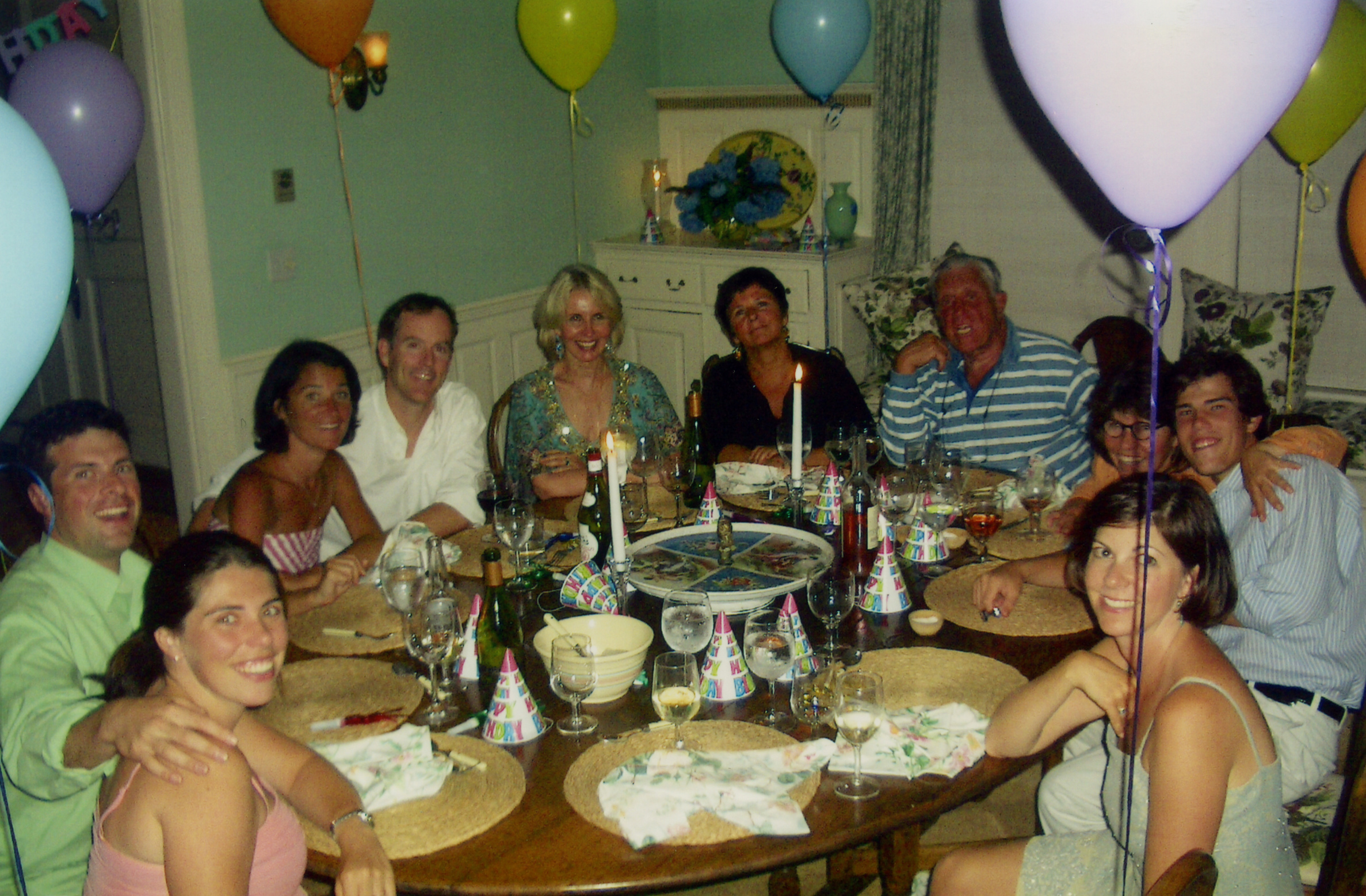
“My father used to say, ‘A guest in my house can do no wrong,‘” Quinn tells me, and this philosophy has served as a guiding principle for decades worth of her own gatherings, too. Even though DC’s social circuit has lost much of its intrigue and glamour, Quinn hasn’t retired her crown—or the responsibilities that come with it. “I think it’s important to create a sense of community here now, because everybody feels alone and scared and adrift and confused and disoriented by what’s going on,” she muses. After all, she continues, there’s nothing like a party to deliver people from their troubles.
All the same, Quinn has found one notable alternative: romance novels. Silent Retreat, Quinn’s recently released sixth book, looks at how the most significant dramas of our lives often unfold without words. It seems that even the most dazzling interlocutors among us occasionally fantasize about being alone.

 in your life?
