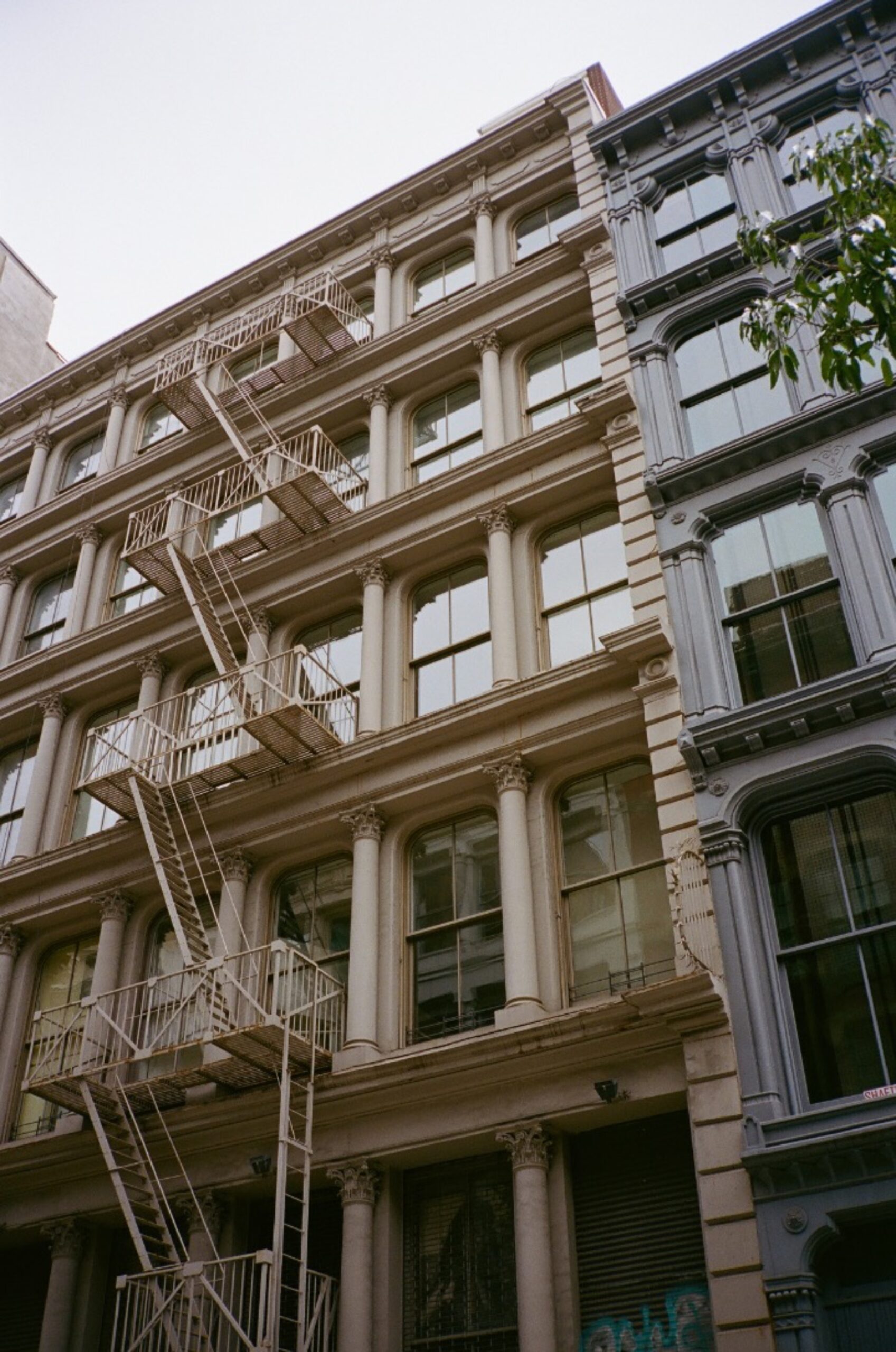
New York’s city government passed the Loft Law in 1982, bestowing legal occupancy and stabilized rents on artists who had laid claim to the city’s abandoned industrial buildings in the 1960s and ’70s. The following years galvanized SoHo as an incubator for figures (among them Gordon Matta-Clark—who later opened his artist-run restaurant FOOD on Prince and Wooster—Donald Judd, Joan Jonas, gallerist Paula Cooper, and choreographer Lucinda Childs) whose work would come to shape the next 50 years of American art, literature, criticism, and fashion.
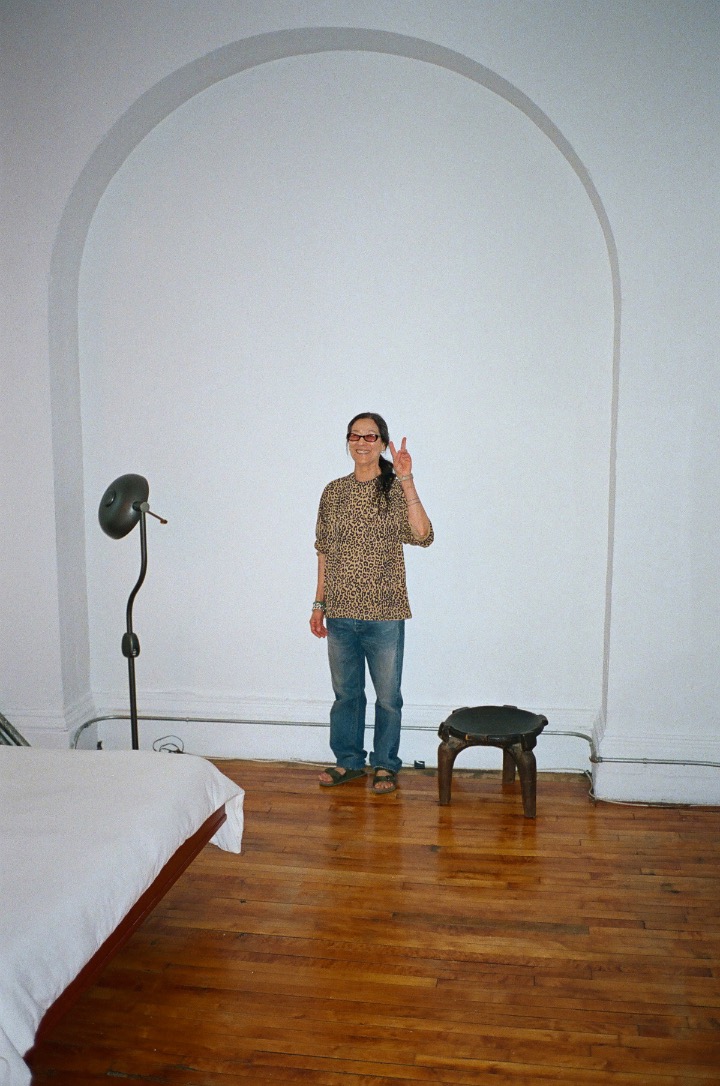
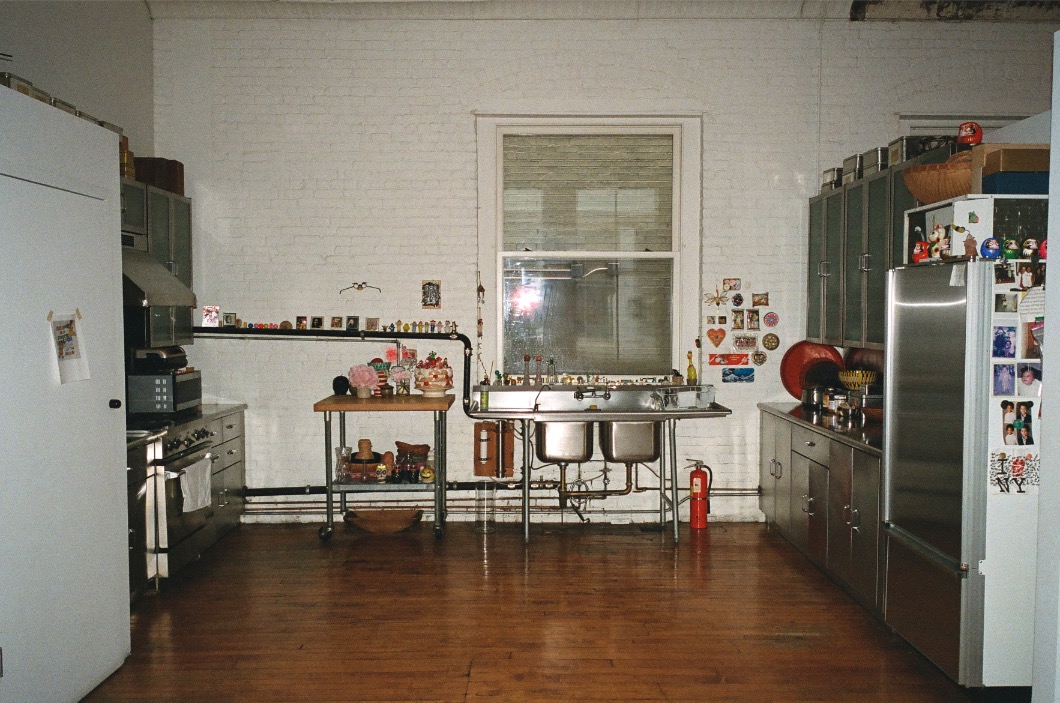
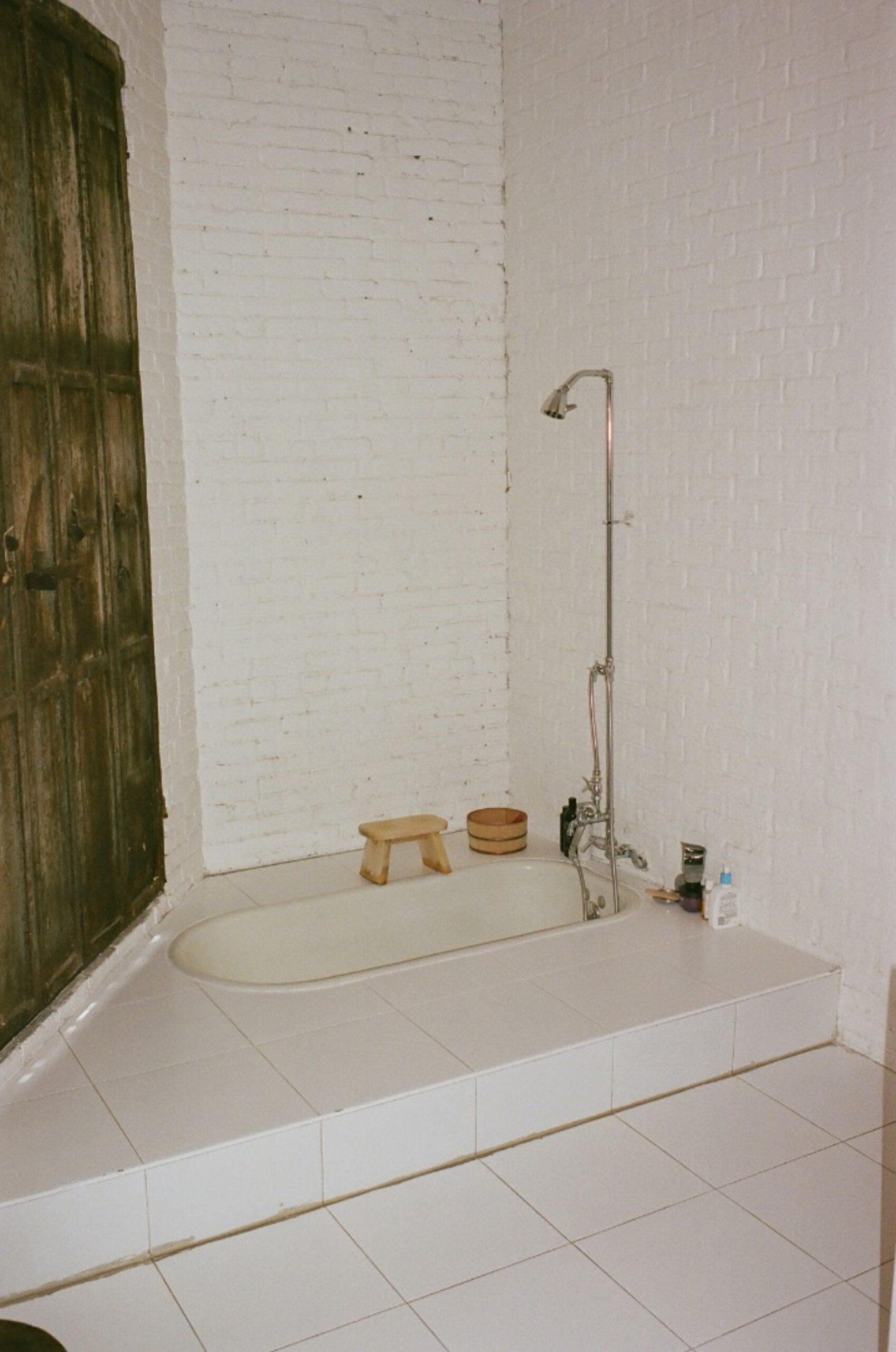
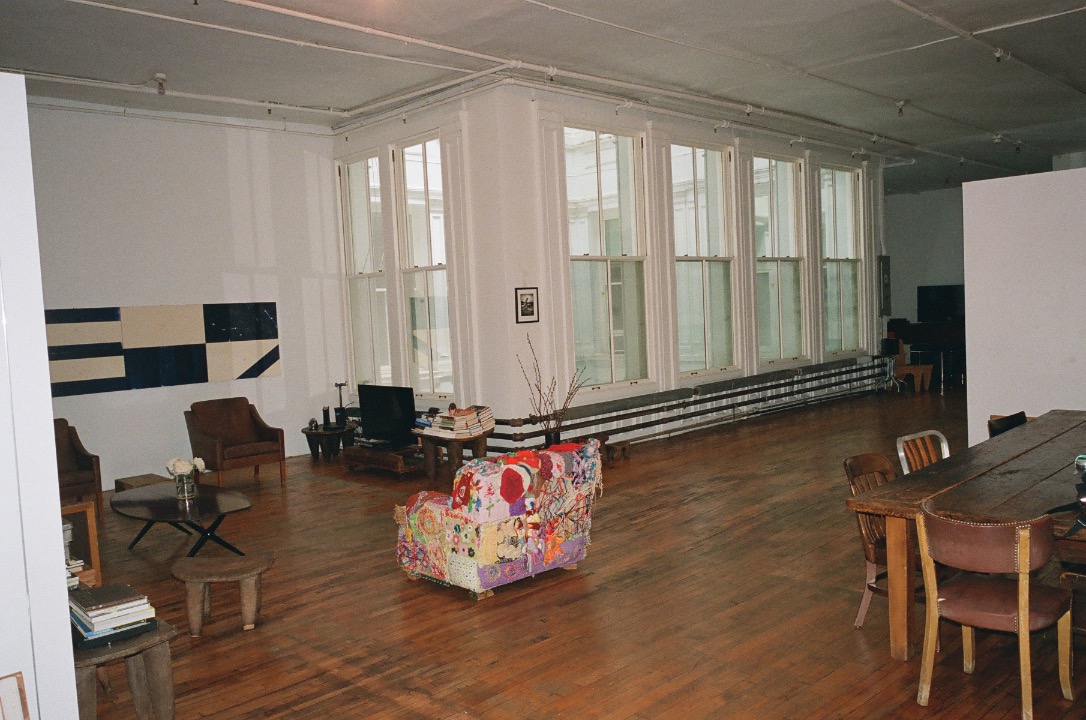
Stella Ishii is part of this lineage. Before she was co-owner of cult fashion showroom the NEWS or founder of her label 6397, Ishii was making regular pilgrimages from her native Japan to the U.S. at the right hand of Comme des Garçons founder Rei Kawakubo. She settled in SoHo just as the promise of loft living was constricting around its forebears and, with her artist husband Jerry Kamitaki in 1997, managed to buy one of precious few such properties—a 3,000-square-foot space in one of the neighborhood’s historic cast-iron buildings—still available at an artist’s price point. The space has been a willing co-conspirator for Ishii’s creative musings ever since: a backdrop for performances, a guesthouse for visiting artists, and a plinth for displaying her various forays into collecting (see her sugar wall and illustrious remote collection).
Ishii met Clarissa Dalrymple, whom she first encountered as a woman in black walking her neighborhood-beloved dog Flora, during the same period. Dalrymple, a British curator whose sharp eye helped pluck the likes of Sarah Lucas, Christopher Wool, and Jorge Pardo from the artistic ether, was on her way out of the neighborhood. The pair, longtime friends and sometime creative collaborators, sat down together to examine the legacy of their neighborhood, Ishii’s home as an example of the era’s double-edged promise to artists, and the world she has created within it.
Clarissa Dalrymple: One thing everyone should know from the start is that Stella and I are both chewing Nicorette.
Stella Ishii: Endlessly.
Dalrymple: I was always dying to know more about you. Nobody knew anything about you.
Ishii: I felt the same way about you! You were on Wooster and Houston. And you were in the same building as Joan Jonas, right? At one point it was one building [owned by the art dealer Paula Cooper], and then they divided it into two co-ops. I heard they put the successful artists in Joan’s building and the not-so-successful ones in our building. [Laughs] But I remember you walking Flora, usually in black—this lady walking this giant poodle.
Dalrymple: [SoHo] was heading towards what it is now even then, wasn’t it?
Ishii: Yeah, it was. The SoHo I remember—which was really different—is when I was still living outside America, but I was working for Comme des Garçons. Rei [Kawakubo] and I came together to see the space that eventually became the Wooster Street space.
Dalrymple: I don’t know how I had enough money for it, but I used to have a beautiful, long woolen scarf from [the Comme des Garçons on] Wooster Street, and I’ve still got it. Flora liked it better than anything. It was full of holes because she was always pulling it and chewing it. SoHo was very different then. There was one or two sandwich shops. I was a waitress in one of them too, at the Broome Street Bar.
Ishii: There was Jerry’s, and then there was FOOD. And then there was M&O—the bodega. Omen’s is still there.
Dalrymple: And the Spring Street Bar.
Ishii: And then it was a lot of galleries, a lot of empty spaces. [Parisian boutique] Agnès b. came along, but that was years later.
Dalrymple: New fashion people came along. How did you come?
Ishii: At that time, I was living in Japan. I would visit and be here for a week or so, and then go back. But Rei wanted to have a store here, and there was an opportunity for her. By the time I moved to America and started living in SoHo, it was the mid-’90s.
Dalrymple: By then it was already what it is, really. I had to move out in the mid-2000s when Paula [Cooper] sold the building. It’s funny, Stella. We have a lot of overlaps in our histories, but you’re such a professional. I’m a person who falls on luck. [Laughs]
Ishii: No.
Dalrymple: Honestly. I have no education in art at all. I didn’t become involved with art until I was in my 40s.
Ishii: I don’t either. It happens that my husband is an artist. That was my introduction into that art headspace and the art world. He was, and still is, a struggling artist. I didn’t know much about fashion either, honestly. Somehow, I ended up working for an amazing fashion designer, but I never studied this. I dropped out of college.
Dalrymple: You betray yourself. [Laughs] So how did you fall into fashion in that case?
Ishii: Through different people I met in life. I left Japan when I dropped out to explore. I wanted to see Europe. I was so curious to see the outside world because Japan is very homogeneous.
Dalrymple: Like England.
Ishii: My parents really did not want me to do this. They expected me to take a little trip and come home. My first stop was Italy. It was a cheap flight to Rome. Then I made my way to France. I lived and worked as an au pair in France for a year or so.
Dalrymple: When did you meet Rei?
Ishii: It must have been the early ’80s. Her first show in Paris was in ’81, and I was already working with her. I met her through friends in London. When I went back to Japan, they said, “There’s this designer getting a lot of inquiries from overseas, but there’s no one to make the connection. You should meet her.” I needed a job, so I didn’t really think too hard.
Dalrymple: And then you took her to LA too, didn’t you?
Ishii: Yeah, but that was several years after. I worked with her in Tokyo for a long time first. After the store opened, I was still living in Japan. Two, three times a year, I would come and visit the store. It was a good time. Remember I attended a few dinners at your place on Wooster?
Dalrymple: People say that that was my real talent, those dinner parties.
Ishii: And your place.
Dalrymple: Oh, it was amazing, wasn’t it?
Ishii: I don’t think everybody knows the history of that place; maybe you should talk about it.
Dalrymple: I’ll tell you briefly. It was the top of a building on the corner of Wooster and Houston. It had been turned into a living loft by Gordon Matta-Clark and his girlfriend—I think she’s called Carol Goodden. They’d also opened a restaurant that all the artists worked in called FOOD, on the corner of Prince and Wooster. Then Gordon’s twin brother tragically fell or jumped out of the window from that loft and died. Gordon left after that. My good friend, Roberta Neiman—R.I.P.—managed to get the lease. It was when they were first loftizing, as it were. I inherited the lease from her.
Ishii: How long was that lease?
Dalrymple: I don’t really know. I know that I had to get out when Paula sold the building. Probably 10 years.
Ishii: I think it was 1997 when my husband and I bought our place. I already had the fashion business in SoHo. I wanted to be in the neighborhood. It still is, but not as strictly, an artist-in-residence building, which means that you need to be an artist. I’m not an artist because I don’t think they consider fashion art, but my husband, conveniently…
Dalrymple: He’s an artist.
Ishii: For us at that time, it was a lot, a lot, a lot of money. We got a 30-year mortgage. We were looking for a loft that was in its original state.
Dalrymple: Which was already hard to do in the ’90s.
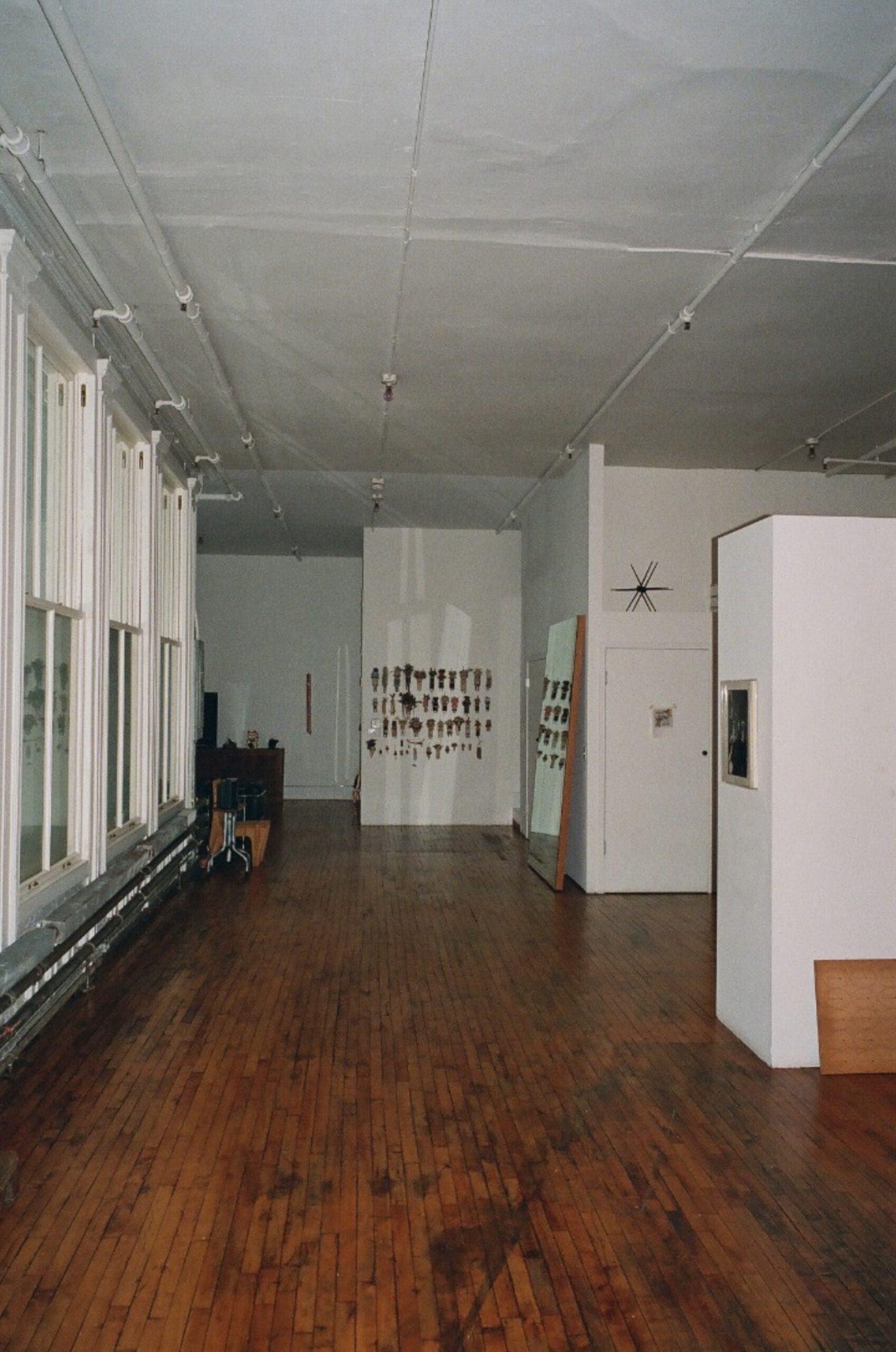
Ishii: Developers were coming in. A lot of spaces were getting chopped and cleaned up, and they all looked the same. But this space really had a lot of character. Do you remember we hosted an opening celebration here for [the artist] Tomoko Takahashi?
Dalrymple: She distributed garbage everywhere, didn’t she?
Ishii: She asked that we save everything that we would normally recycle.
Dalrymple: It was amazing you put up with it, Stella. Nobody else I can think of would have put up with it.
Ishii: It was really wild. You and I invited all the people we knew. Hundreds of people.
Dalrymple: You have a lot of little things on view everywhere. What is it that motivates you to keep something or display it?
Ishii: Usually, for me, it’s something that makes me laugh. Then they start making little groups in the house, and they become little vignettes.
Dalrymple: They’re little collections, really. Something, I think, that we share is keeping everything minimal.
Ishii: The space itself is really very minimal. I don’t have anything extra except for these little collections. It was like that from the beginning. Also, money—or lack of—has a lot to do with it. My husband did a lot of the work himself with some friends.
Dalrymple: Was Jerry’s studio in there at first?
Ishii: Yeah.
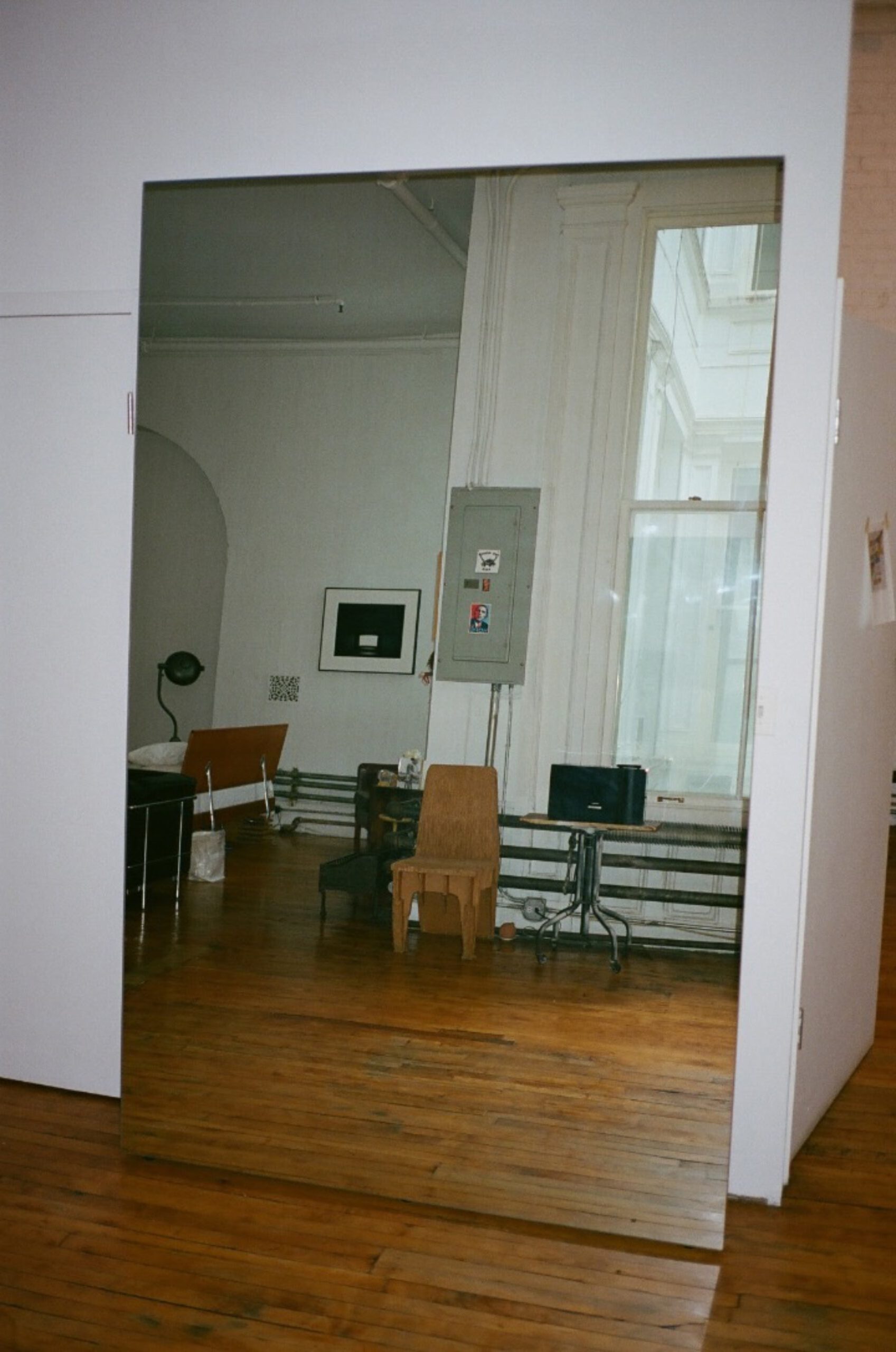
Dalrymple: That’s another reason why I’d come. He’s a very beautiful painter. Once I lost my place, there was no chance of being able to stay in SoHo. It’s too expensive.
Ishii: That’s true. I think the fact that we somehow managed to buy our place, get a deposit, and get this mortgage is the only reason we are still here. It’s the same for many of the people in my building. Several years ago, we thought of moving out because the neighborhood has changed so much. But raw spaces are so hard to find.
Dalrymple: I can’t imagine where you would look for a raw space anymore.
Ishii: We looked in Greenpoint, Red Hook, Harlem…
Dalrymple: Yes, I did too. And that was really expensive.
Ishii: When you calculate what happens if we sell this—yes, it’s worth a lot more than when we bought it for, but after the capital gains tax, I don’t think we can buy something like it again.
Dalrymple: Nobody thought about money in those days. That’s why art was different. It was not about money at all. A lot of my friends were most famous in the ’70s and ’80s, and they traveled a lot. But it was largely because museums in other countries bought them tickets to show work, because they were more revered in Europe. That’s what money was for: the ability to be free. Nowadays, if you don’t make millions, you’re considered a failure.
Ishii: It’s just a whole different mindset.
Dalrymple: I guess one is very lucky to have lived through different phases.
Inside Stella Ishii’s Soho Loft
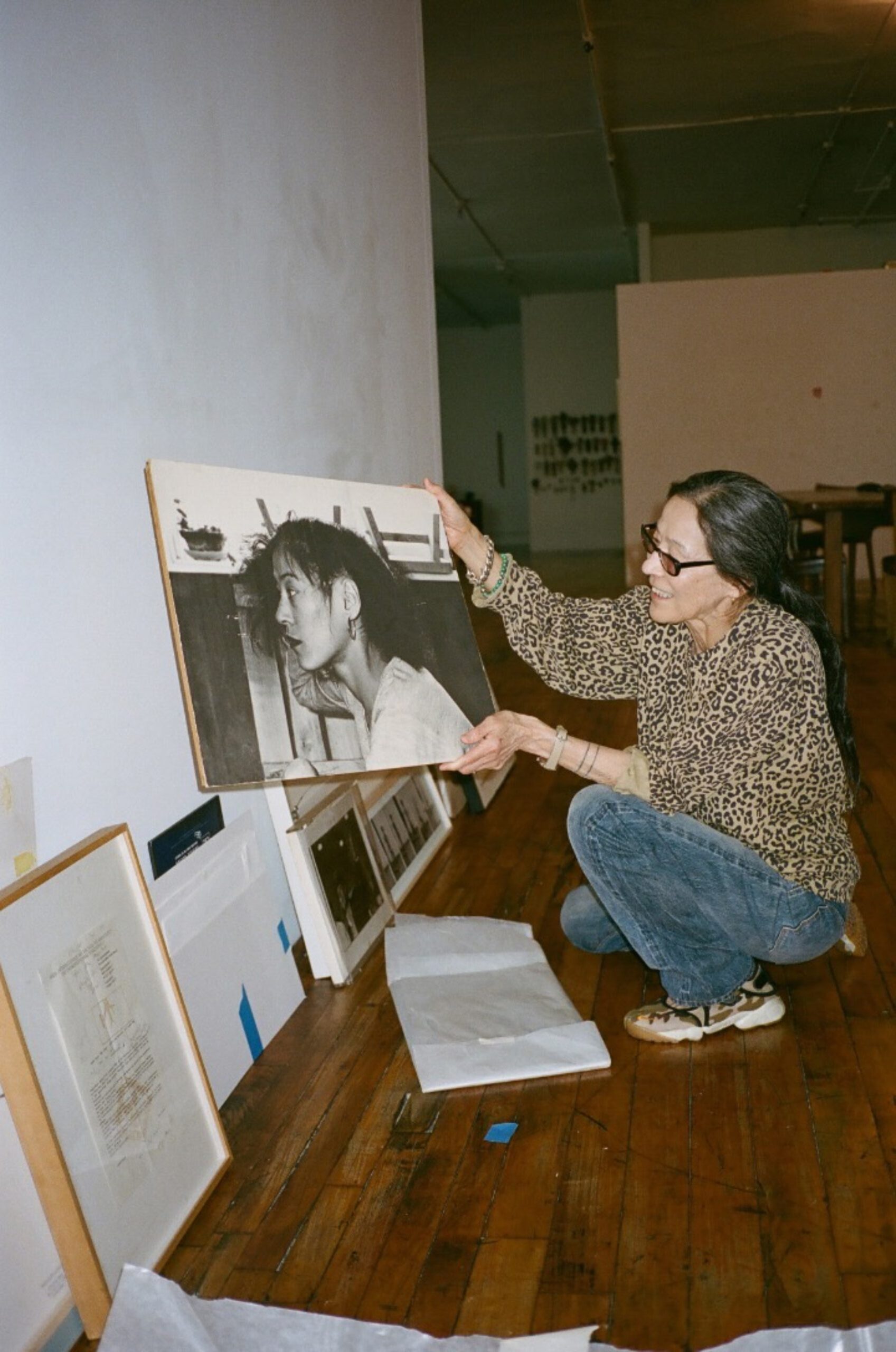
“My husband took that photo. That’s me when I lived in Japan in the early ’80s, a long time ago. I must have been in my 20s; I was still roaming around Europe. We lost it for a while, and then when I was cleaning up our storage two years ago, I found it again. So I brought it into our home for memories.”
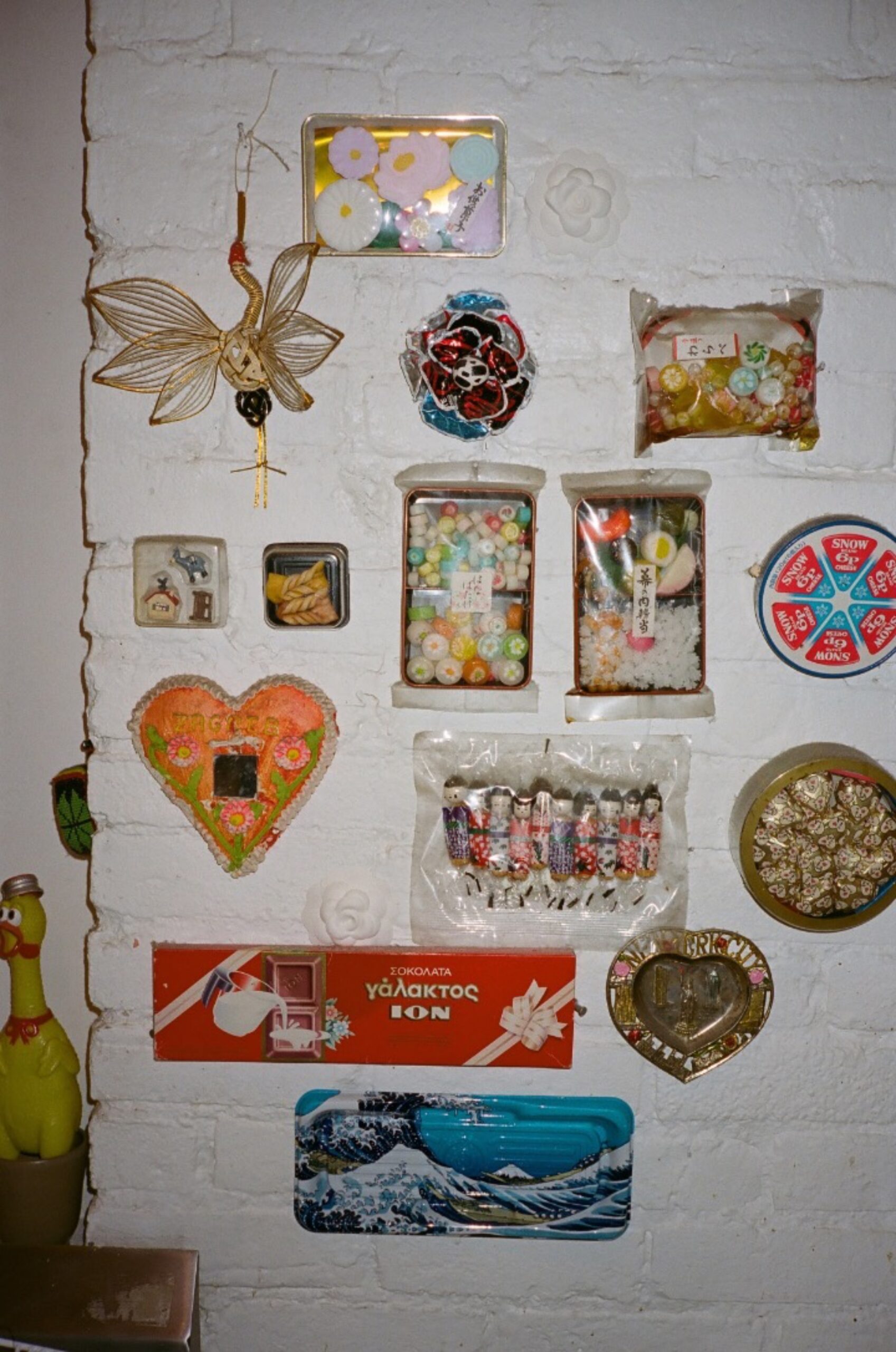
“That’s my sugar wall. A lot of Japanese candy. Some of these were made especially for tea ceremonies. It’s just pure sugar. One of them, I think, was brought back from Eastern Europe for me. First there was one, then there were two, then three, and then it became a wall.”
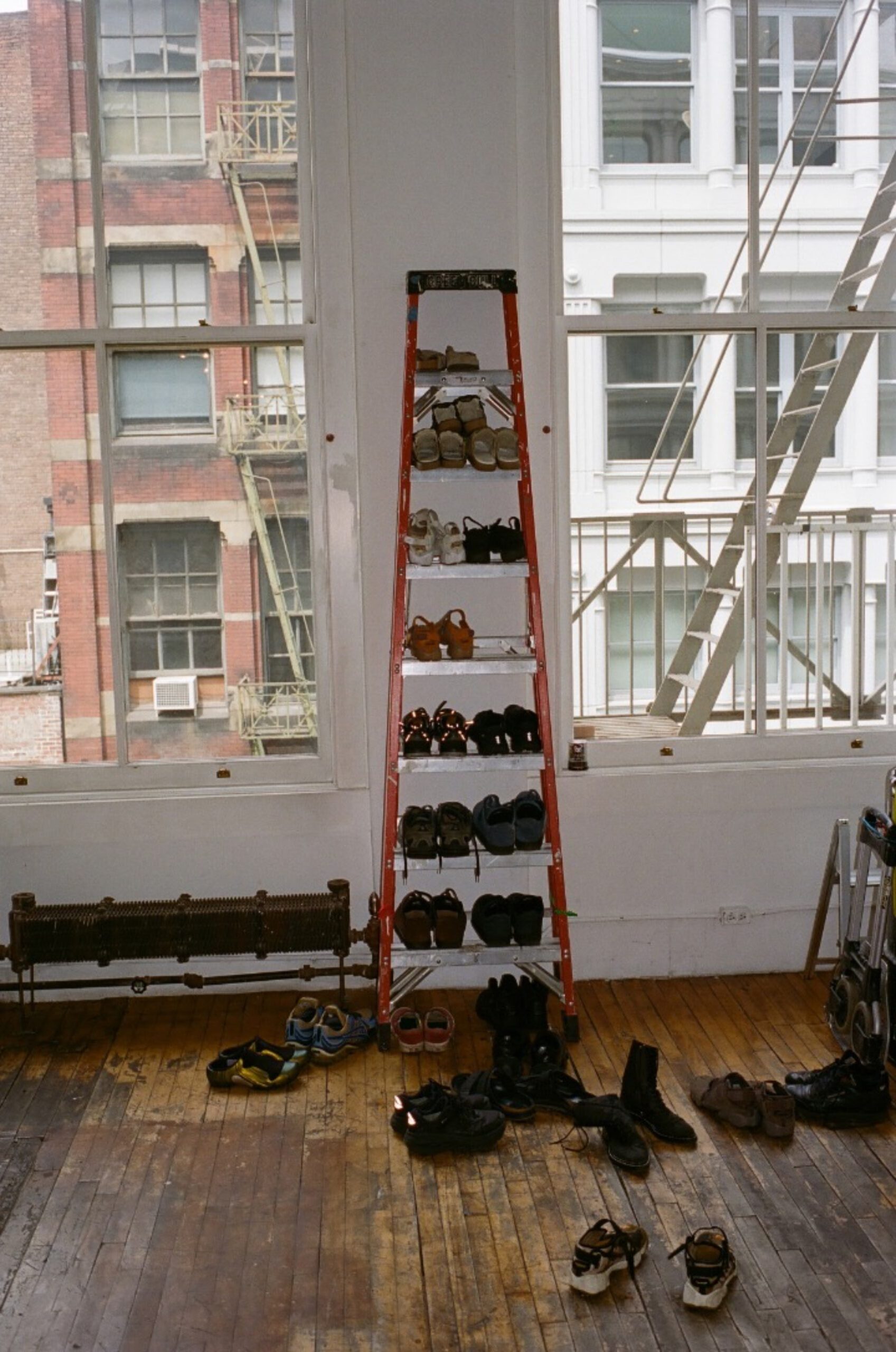
“That ladder has always been there. I have more shoes than this; they’re tucked away in the closet somewhere. One day, I just started putting them on there. I thought. This looks nice. The ladder has a function now. On the very top, those are the Margiela slip-ons. I don’t wear them as much as I used to, so they’re up there.”
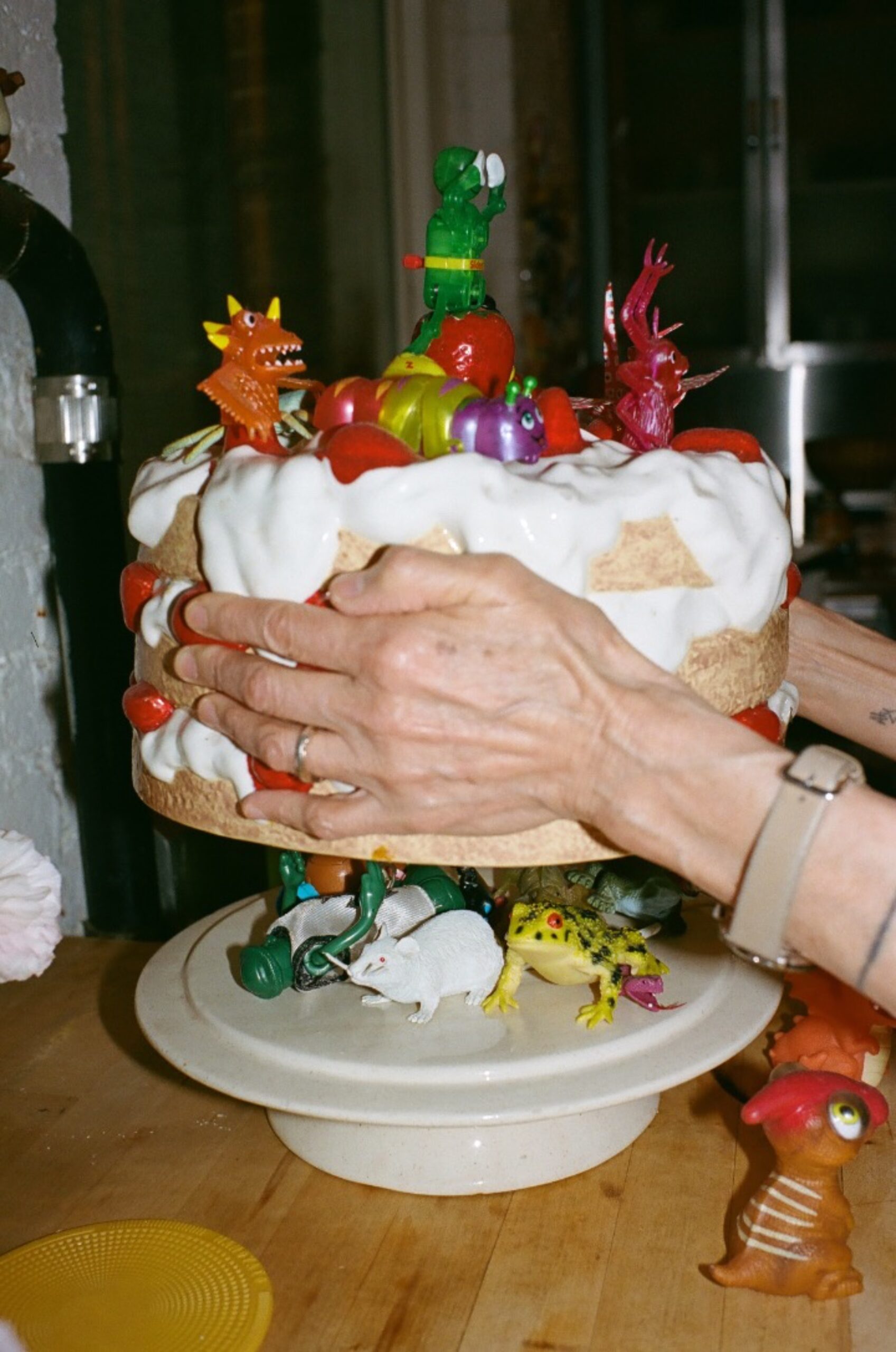
“I collected these because they were funny. I don’t like all toys; I just like these. Some of them are little wind-up toys. Others have a whole other look to them when you squeeze them. They make me laugh. I am very comfortable with things that are not perfect. I think that’s a common thread; everything in my home is a little bit off.”
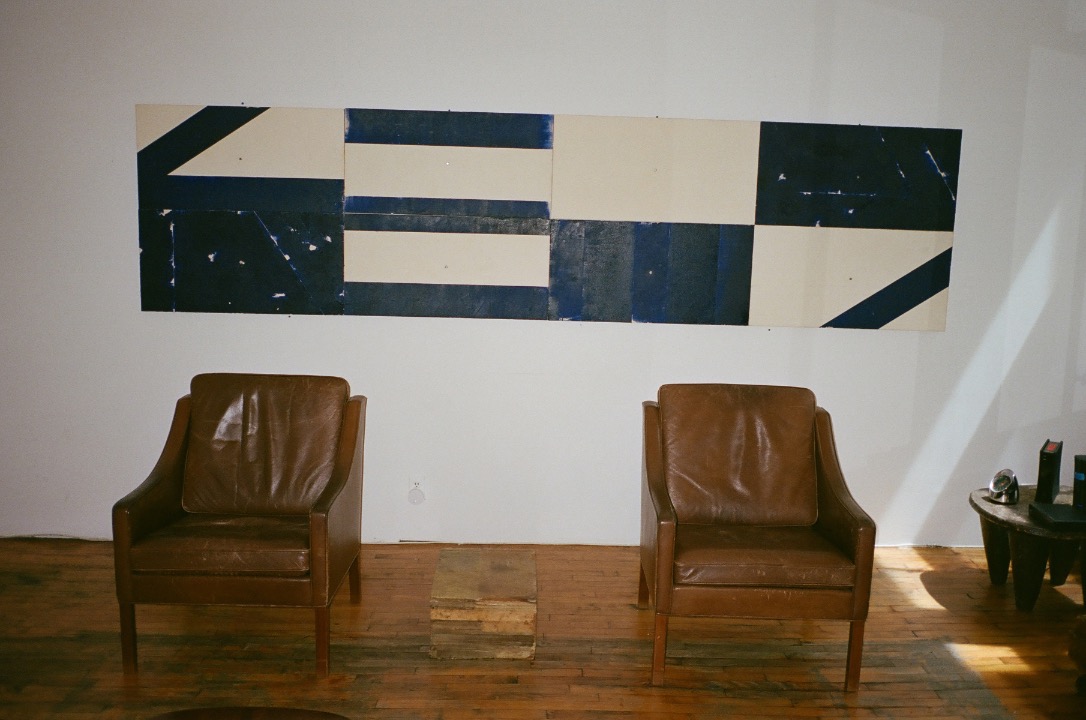
“That work behind the two armchairs is my husband’s. It’s from a series from 15 years ago that was based on directions: North, East, West, South. He did a lot of work from that concept, and this one has stayed in our home since. My company is called NEWS from that series. When I was looking for a name for the business, it made so much sense, because I work with designers from around the world.”
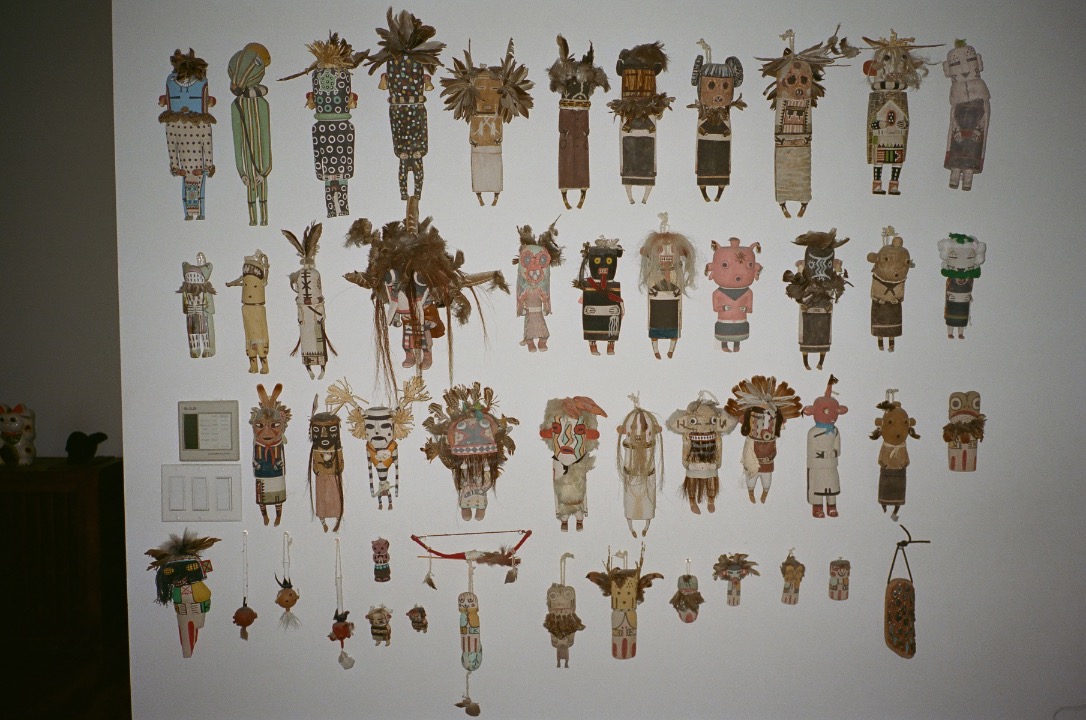
“Ah, my kachinas. These are made by the Hopi. They represent different mythical deities in the Hopi mythology and culture. My husband and I used to go to the Hopi reservations in Arizona back when I lived in LA, and we got to know some people there. We became friendly with a couple who sold these. He’s white and she was from the Butterfly clan, and this was their business. When I first met them, I saw their collection of kachinas—incredible. They had a trailer that was covered with them, and their home was as well. There was a story to most of them, and that inspired me to start a collection. Every visit, I would pick up a few that I liked. It was when I lived in LA, so the late ’80s.”
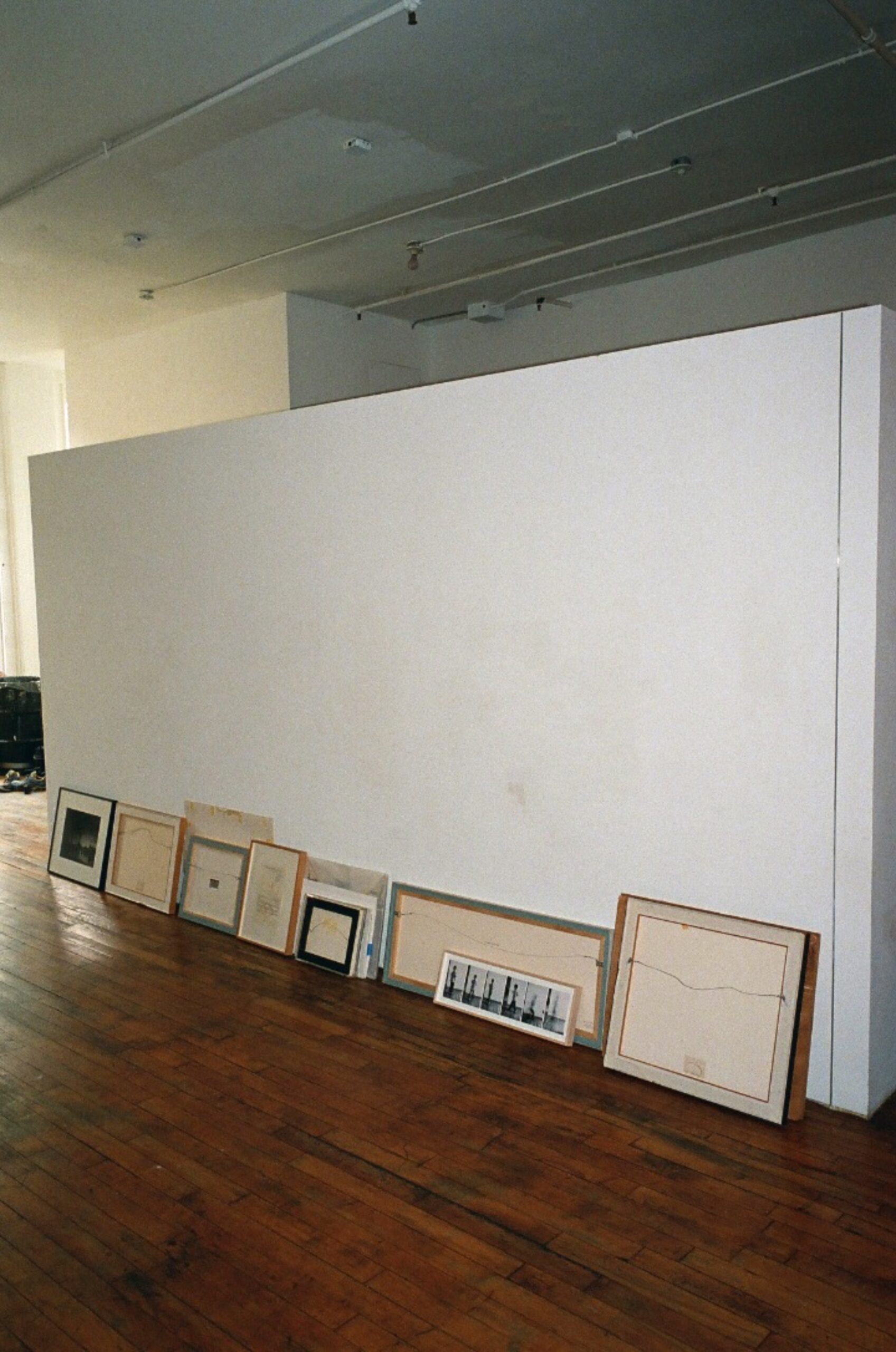
“I have a lot of photographs, a lot of works hat aren’t on the walls. I don’t want to see them all the time, so I rotate them out and lean them against the wall. Even on the floor, when they’re facing you, they’re strong. I turn them around to give myself a break. I’ve stayed in Airbnbs where I take down the art. Like, No, I will not be having a continued dialogue with this picture of a sunset.”
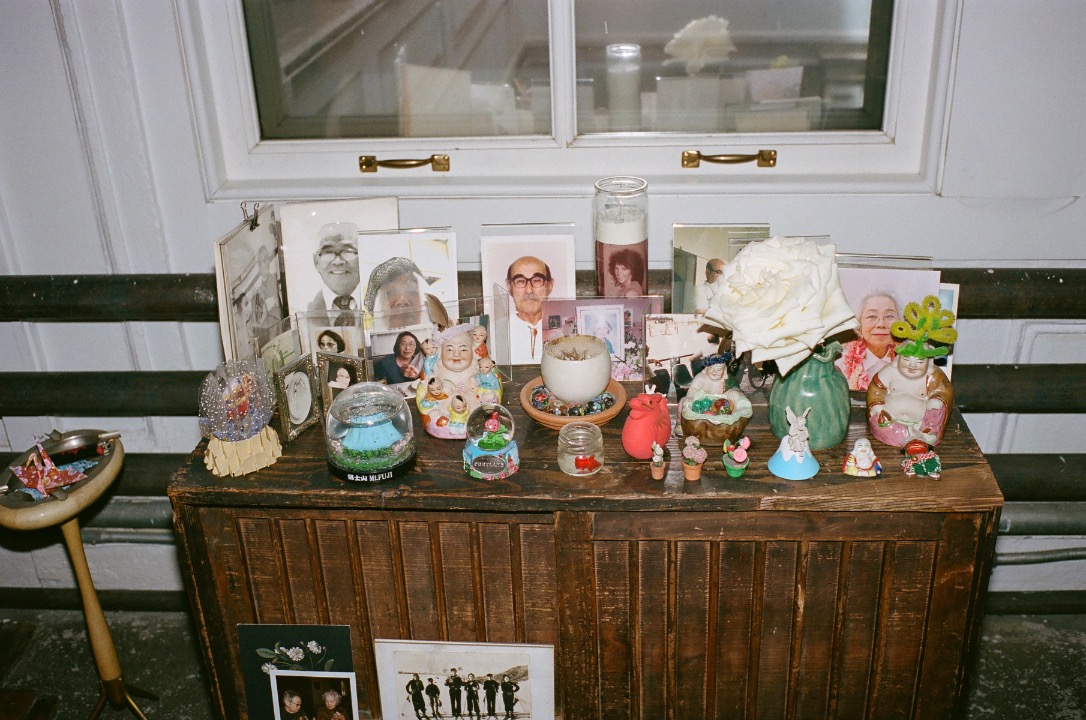
“That’s my family, the people who have passed. It started with my father passing, and then my mother, my best friend, my sisters, my niece, my nephew. Every day, I light an incense and do a little prayer or acknowledgement. It’s just something I’ve always done.”




 in your life?