
There’s never been a better time to be in the business of scaring the shit out of people. Horror is the fastest-growing film genre, doubling its market share over the past decade and, as anyone could tell you anecdotally, getting a major PR makeover. Once thought of as lowbrow date-night fodder, horror films have expanded their purview to the full calendar year and slate of awards ceremonies. Steven Soderbergh returned to the genre last January with Presence, April’s Sinners has Ryan Coogler on the Oscars’s shortlist, July’s Together saw OTP Dave Franco and Alison Brie connect in more ways that one, and in August we got Weapons—an immediately divisive, undeniably entertaining second foray from Zach Cregger.
But how did we get here? Since 2000, horror has been generating a litany of formally inventive, no-holds-barred projects. Filmmakers try things, try again, try harder, even as studios greenlight sequels and remakes en masse elsewhere. (Not to say that horror doesn’t have those too, but the ratio feels better, doesn’t it?) And because October will never not inspire us to turn on a horror flick, consider adding one of these 10 films to your watchlist, which each, in their own ways, brought us to the point of really, really good scary movies.
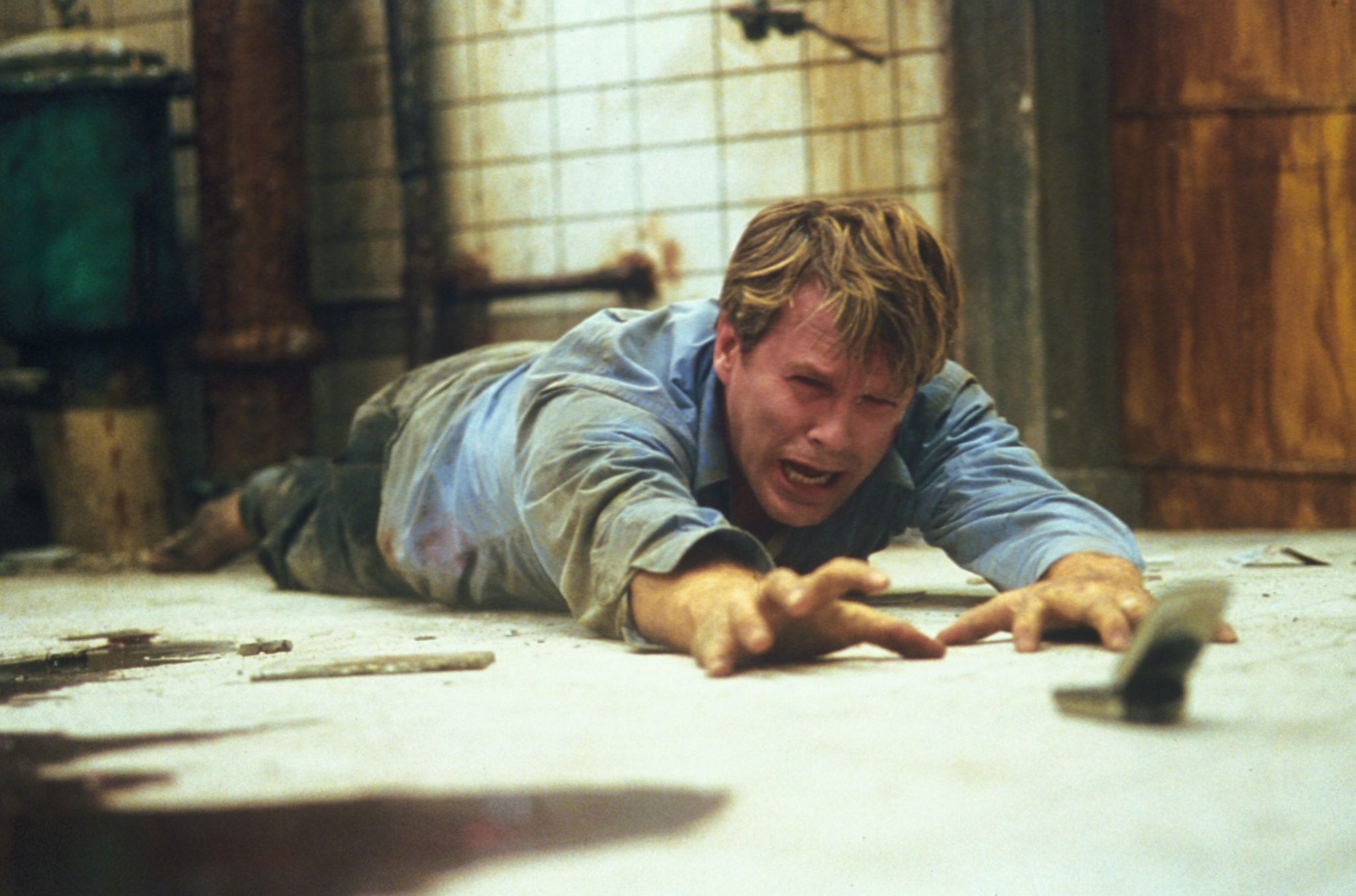
Saw (2004)
At the turn of the century, horror fans were imbued with Scream and I Know What You Did Last Summer teen fanfare. Then came Saw. Filmed in just 18 days on a humorously low budget, the gritty, blood-splattered flick sees two men trapped in a room by Jigsaw, who invents increasingly elaborate and violent traps the pair must outmaneuver in order to survive. The movie’s claustrophobic setting and reliance on visceral acting comes partly from its lack of funds and partly from director James Wan taking inspiration from intimate, found-footage films like The Blair Witch Project (itself a seminal 1999 addition to the canon). “He doesn’t want us to cut through our chains, he wants us to cut through our feet,” Cary Elwes groans in the trailer. Only two years later, writer David Edelstein coined the phrase “torture porn” to describe the slew of films that followed Saw into the mainstream, associating horror with a certain flavor of barbaric perversion for years to come—akin to kids listening to the ol’ devil’s music on their record players.
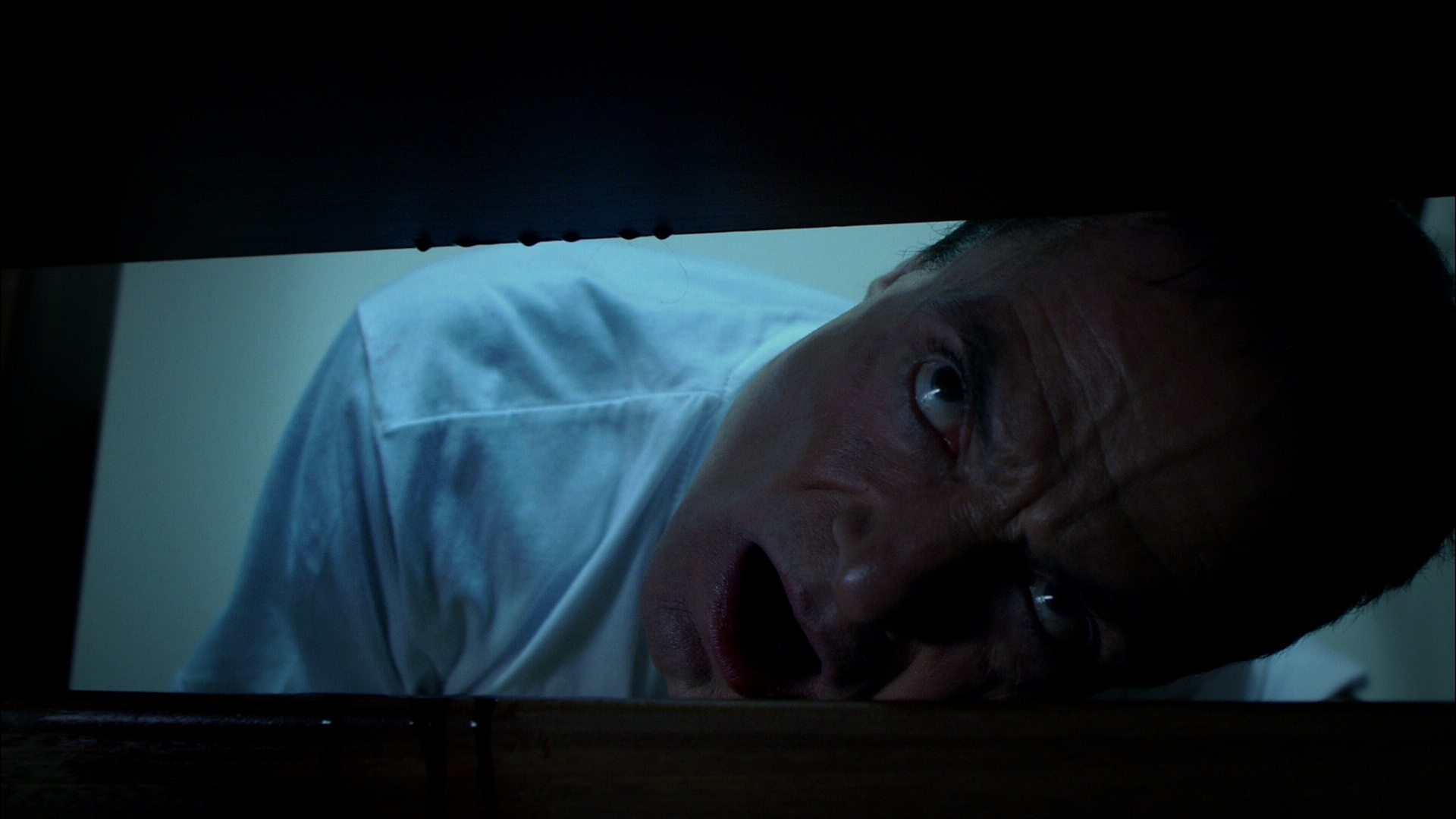
The Human Centipede (2009)
In 2009, Dutch filmmaker Tom Six devised a film with a premise so gag-inducing I’m reticent to describe it here, and in fact, the financial backers of the project weren’t even made aware of the plot until it had already wrapped production. Essentially, a number of individuals are strung together, head to tail, into a single living organism by a deranged doctor. The idea gives even those who haven’t seen the film nightmares. But Six’s contribution to filmmaking, perhaps more than any formal offering, was his ability to throw the doors open for others. After The Human Centipede, was there any idea that could push too far? The project was hardly critically acclaimed, and moreover, its director didn’t seem to care. The public’s appetite for shock and body horror was clearly established, with the lore of The Human Centipede reaching far beyond the middling amount of people who actually showed up in theaters to see it.
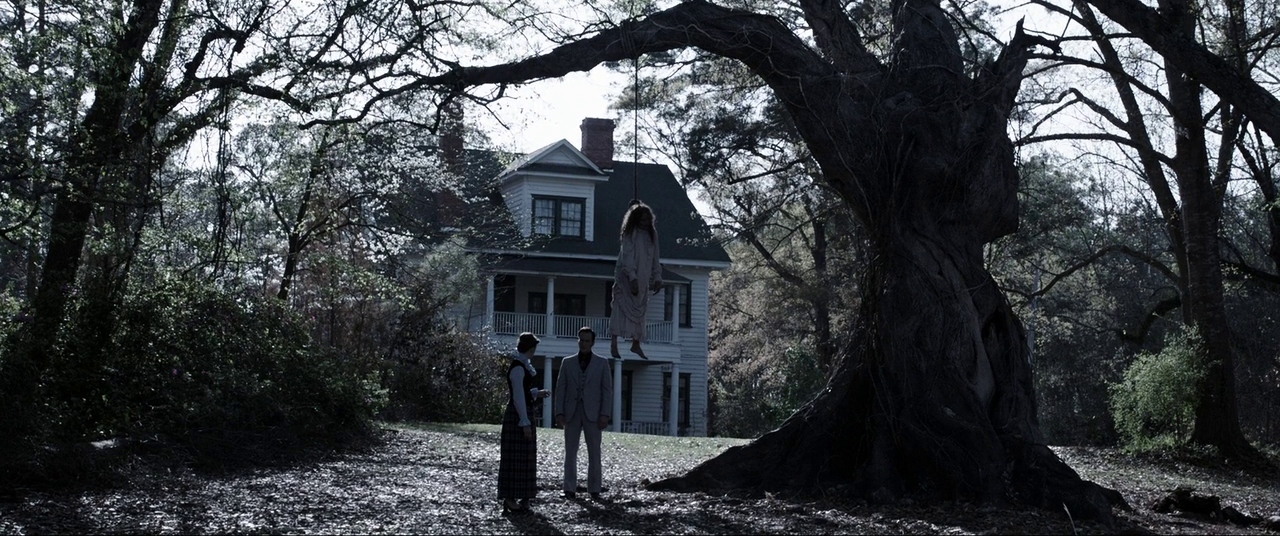
The Conjuring (2013)
Dubbed the “Marvel Cinematic Universe of Horror,” The Conjuring landed in 2013 from (once again) director James Wan with only a mere indication of the behemoth it would become. Patrick Wilson and Vera Farmiga star as paranormal investigators Ed and Lorraine Warren, a real life couple who found fame while investigating cases like a haunted Annabelle doll and the Amityville Horror. The first Conjuring movie takes the latter as its inspiration with a big banner noting that it’s “BASED ON TRUE CASE FILES.” A little over a decade later, The Conjuring has become the highest-grossing horror franchise of all time with three sequels and five spin-off films. Unlike preceding franchises, which dutifully followed a single storyline or villain through endless iterations, The Conjuring proved that horror could hold its own in an expanded universe of characters and hauntings, on the back of sharp acting and a poised balance of jump scares and atmospheric eeriness.
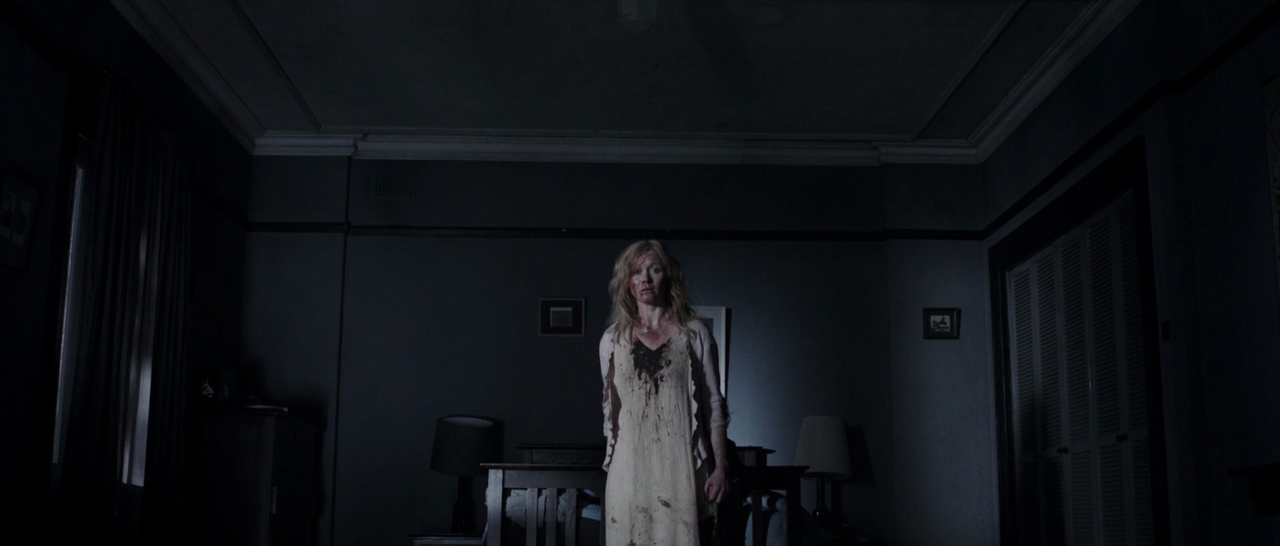
The Babadook (2014)
Six years after her husband died driving her to the hospital to give birth, Amelia is struggling to raise her young son in South Australia. Then, a pop-up book appears on her son’s shelf, Mister Babadook. The object’s sudden, miraculous existence sets off a terrifying haunting by the book’s towering, ferocious protagonist—itself an illustration of Amelia’s own overwhelming fear, grief, and resilience. The movie’s introspective narrative was a precursor to the rise of “elevated horror,” a moniker given to films that explore psychological or sociopolitical issues while employing more arthouse tools than typically expected of a horror flick. Then, when The Babadook hit Netflix, it was accidentally categorized in the “LGBT Films” section (though some claim the viral screenshot of this accident was instead a perfectly timed photoshop job), giving its central villain an extended metaphorical significance. “The Babadook Is a Frightening, Fabulous New Gay Icon,” wrote The New Yorker. “’The Babadook’ director celebrates monster’s gay icon status,” said Entertainment Weekly. Wrapped up in this grinning black void wearing a top hat was a manifestation of otherness, dread, and horror’s new capacity for storytelling.
The Witch (2015)
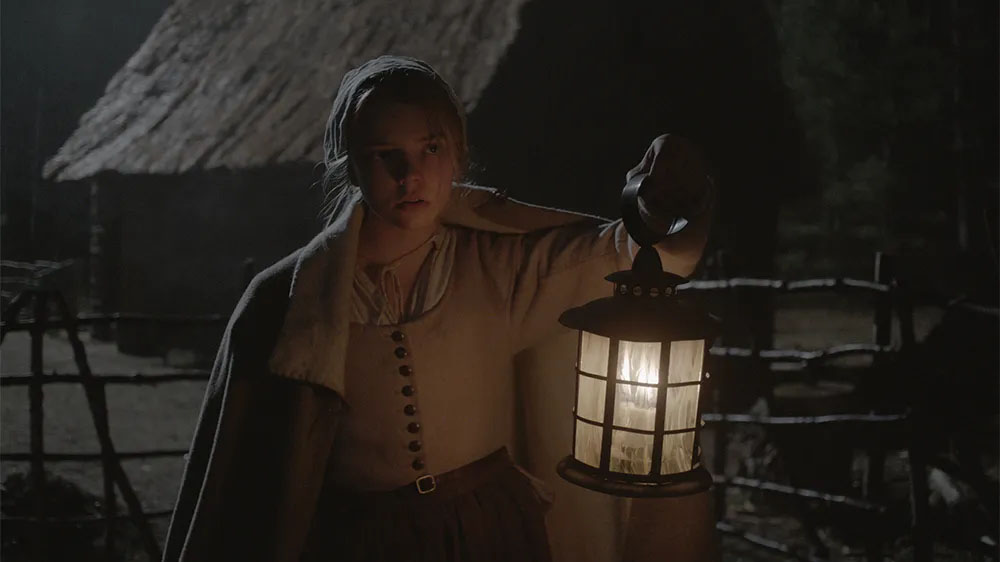
Slow-burn horror isn’t new, but in 2015, Robert Eggers mastered the form. Though horror addicts seeking sudden jumps won’t find their kicks here, Eggers knows how to build apprehension; he’s a purveyor of creeping dread and danger that you end up begging to crescendo (“Put me out of this misery already!”). In The Witch, a baby is stolen away from a 1960s New England family, and the oldest sister is blamed. Paranoia, suspicion, and finger-pointing mount in the too-small town as the supernatural butts up against all-too-real threats. In his films, Eggers plays less upon our fear and more upon our base need for release. Held in suspense, he gets to the root of what elevated horror really is: psychological games instead of physical frights. Subsequent films have seen him drive Robert Pattinson to the verge of madness or put Lily Rose-Depp to bed with a living corpse. Dipping in and out of the horror genre, Eggers keeps moving at his unhurried pace, pushing his characters and audience alike into the realm of insanity.
Get Out (2017)
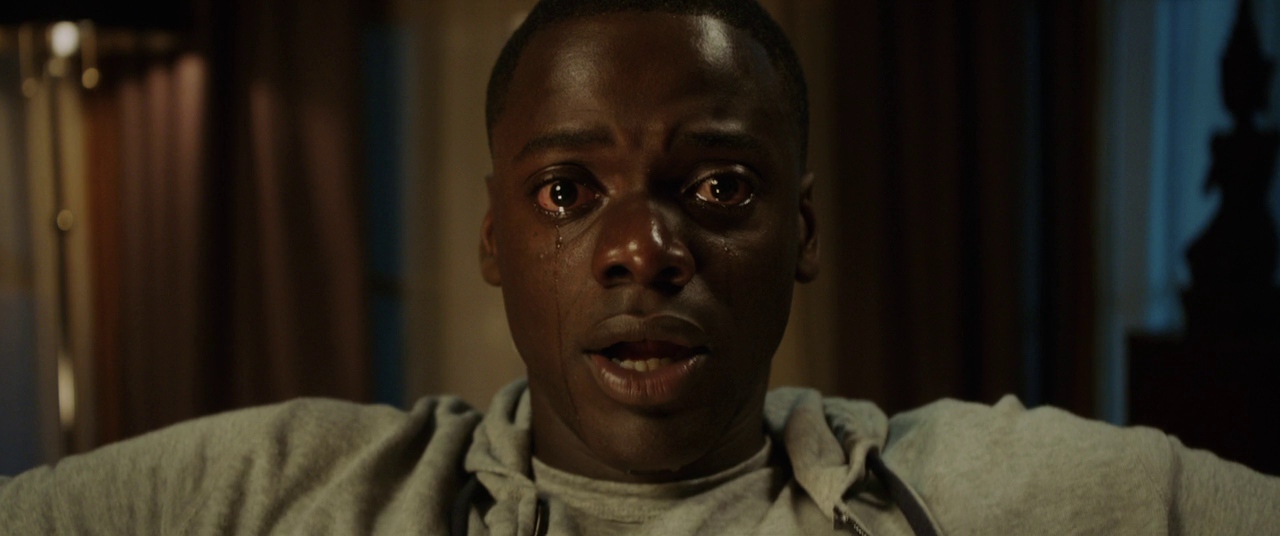
If I had to pick a single film, instead of the 10 featured here, it would be Get Out. Jordan Peele’s countryside caper arrived as a perfect storm of filmmaking, frights, and social commentary in 2017. It shattered two long-held beliefs: the first being that horror films couldn’t rise to the critical heights of other genres, and that general audiences wouldn’t show up to see a movie specific to the experience of minorities. Instead, Get Out went on to become the highest grossing debut film based on an original screenplay, win Peele the Oscar for Best Original Screenplay, and be nominated in the Best Director, Best Picture, and Best Actor categories. For anyone who hasn’t seen the film (are you out there?), Daniel Kaluuya joins his girlfriend Allison Williams on a trip to meet her white family, who weren’t told he is Black. Struggling to get comfortable in an environment where he is notably out of place, Kaluuya’s character discovers that the family’s cheery disposition at his arrival is really a disturbing facade. The film’s ravenous reception established elevated horror as a box office mainstay, rather than an arthouse experiment.
Hereditary (2018)
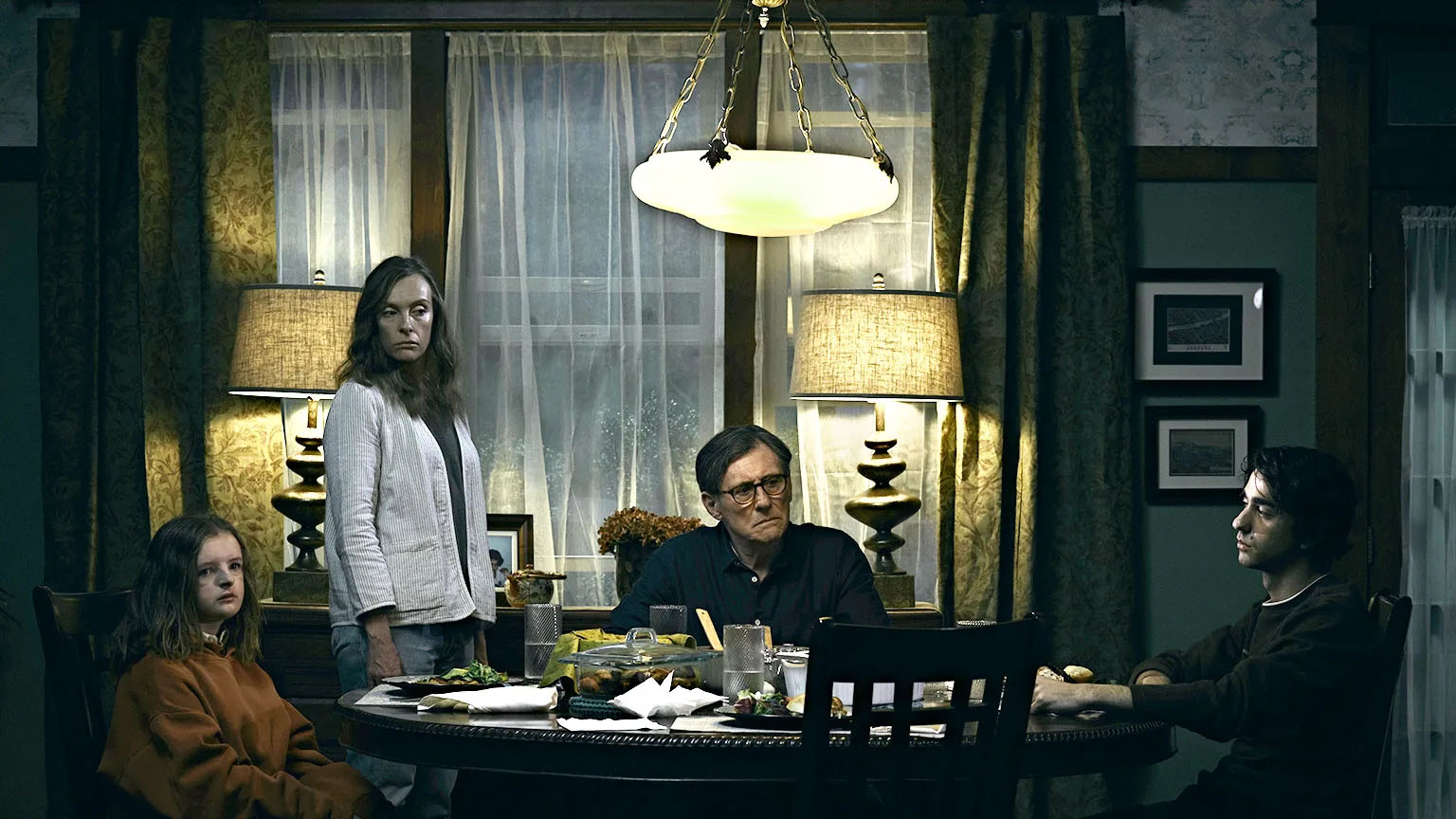
There was a time when fans thought Blumhouse and A24 might be duking it out for chief purveyor of arthouse horror a while longer, but that was before A24 released Hereditary, and Blumhouse started making M3GAN movies. Ari Aster’s one-two punch of Hereditary and Midsommar made the director an instant leader in the genre, and the production company its champion. The former follows a family who, after losing a daughter in a violent accident, devolve into occult practices and infighting. Like Get Out, the film received critical acclaim not just for its genre, but as a standalone feat of filmmaking. Projects that followed looked to both its threads of cult fascinations and sudden inflections of body horror—like the squelch of a skull splitting open, treated not with the gross-out effect of a cheap thriller, but the careful audio work of a drama.
Parasite (2019)
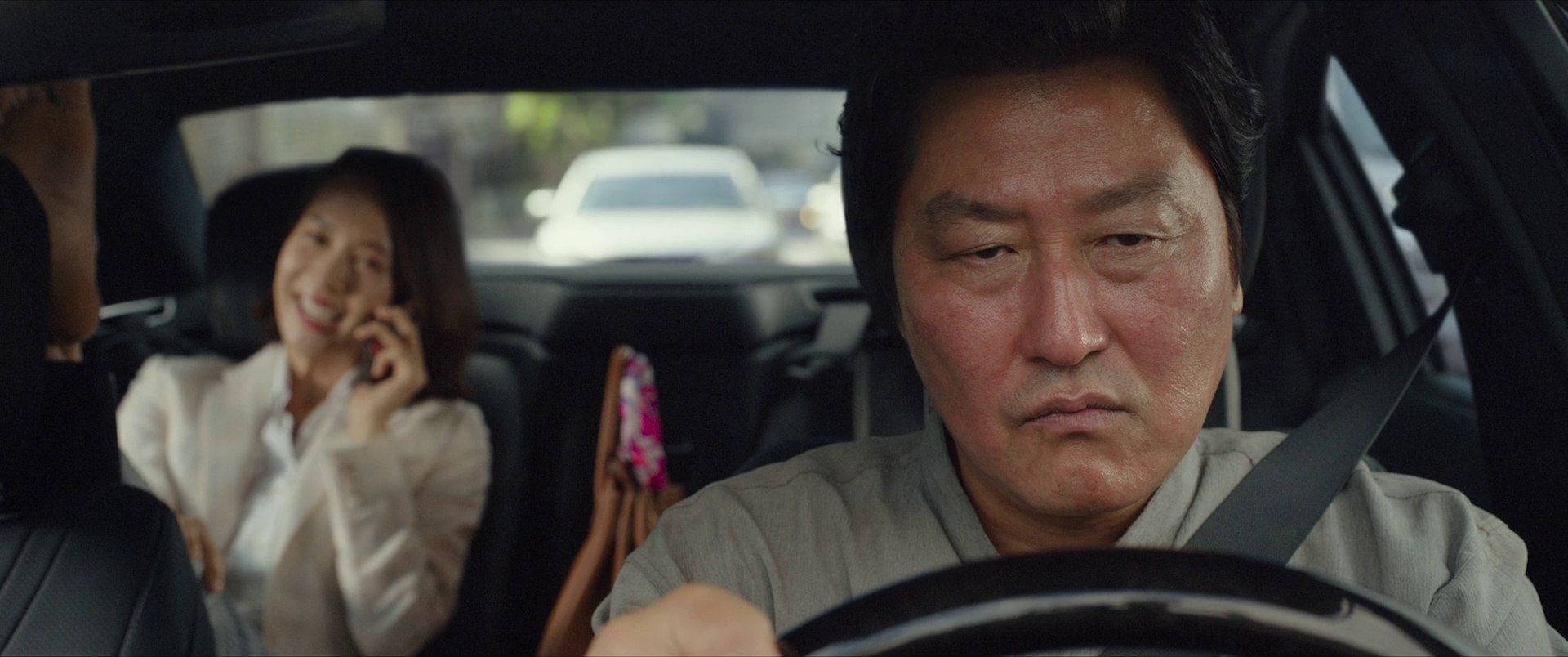
There are no ghouls in Parasite—no witches or werewolves or wendigos. There’s only poverty, and Bong Joon-Ho thinks that’s scary enough. This film, about an impoverished family working for their wealthier counterparts, became the first Korean film to win the Palme d’Or and then the first non-English language film to win the Oscar for Best Picture. While accepting the Best International Feature Film Golden Globe, Bong also famously remarked, “Once you overcome the one-inch-tall barrier of subtitles, you will be introduced to so many more amazing films.” How right he is! Though true horror buffs have long looked outside the continental United States for a diverse offering of thrills, Parasite marked a significant step forward in general audiences’ appetite for foreign filmmaking—and in the horror market, a significant departure from the kind of depravity we’re used to confronting. Bong’s kind is remarkably commonplace.
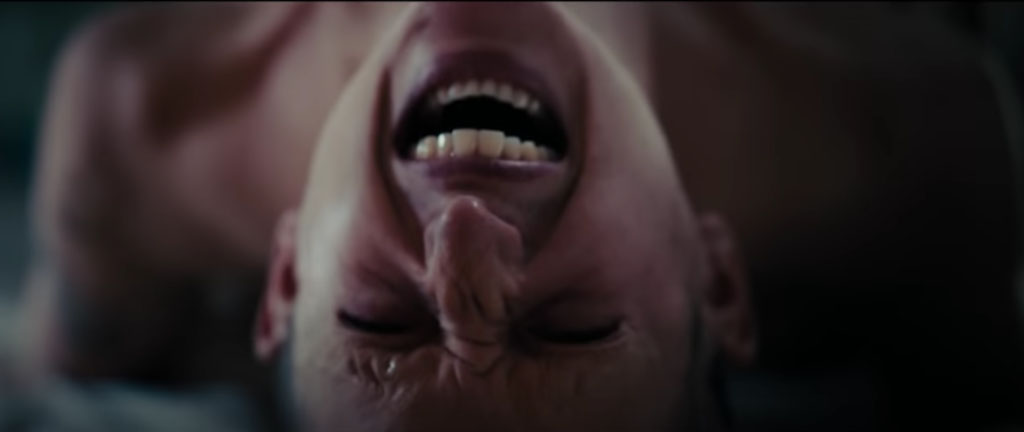
Titane (2021)
Body horror is undeniably en vogue. Some have speculated that the proliferation of it across genres is due to the current ping ponging of legislation around our bodies. Roe v. Wade? Gone. Healthcare for trans youth? Imperiled. If issues of gender and reproduction are haunting our subconscious, then in 2021, Titane hit all the right marks. Let’s leave the synopsis at that. Like Parasite, the foreign film marked a first when Julia Ducournau became the first solo female director to win the Palme d’Or. Since its release, our collective fascination with the politics of women’s bodies and grotesquerie of desire has only increased in fervor, producing notable titles like Coralie Fargeat’s The Substance, body horror stalwart David Cronenberg’s Crimes of the Future, and Luca Guadagnino’s cannibal romance Bones and All. At turns funny or romantic, these films reflect an enduring drive to get our hands on, and inside of, each other.
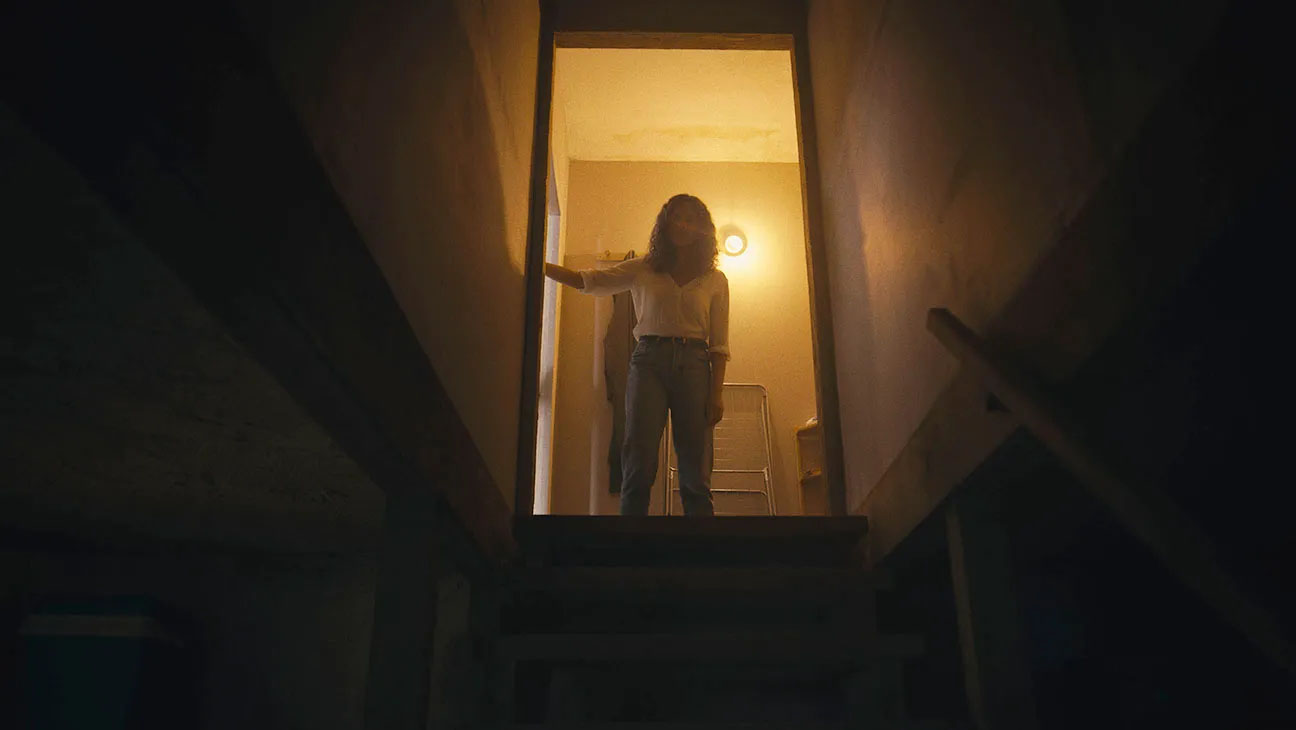
Barbarian (2022)
It’s funny. It’s scary. It takes sudden turns. It lingers in the mind long after the lights go out. Zach Cregger’s directorial debut was an instantly valuable addition to the canon. Barbarian veers into humor without devolving into kitsch, straddling a line that prior films often fell on one side or the other of. It’s a pitch perfect example of what modern horror films have become, with deft filmmaking and no shortage of frights. It’s hard to sum Barbarian up without spoiling its many twists, but the flick opens on a woman arriving at her Airbnb, only to discover it’s already occupied. The film’s reception also made Cregger’s follow-up, Weapons, one of the most anticipated of 2025. The pair signal a future for the genre that prizes experimental, original storytelling in a landscape that all too often favors sure bets.






 in your life?