Though the New York-based artist retired from his art career in 2000, Hsieh’s perpetual series “One Year Performance,” which he endured through the ’70s and ’80s, still defines the genre. Whether it was living tied to a partner or punching a time card every hour for a year, the septuagenarian’s works relentlessly plumbed the poetry of the everyday in search of aesthetic tautologies. These hardwon visual throughlines in part established the precedent from which the era of lifestyle brands and influencers grew.

WORDS

DATE

SHARE

Twitter
LinkedIn
Facebook
Email

Kat Herriman: What is your preferred pre-performance ritual? 

Tehching Hsieh: I do experiments to test the work, to find out if I missed anything.

KH: How would you describe the role and responsibility of an audience?

TH: My work has strong invisibility; audiences will use their own life experiences to imagine and think about the work. The audience is the witness of the work; without an audience, my work wouldn’t exist.
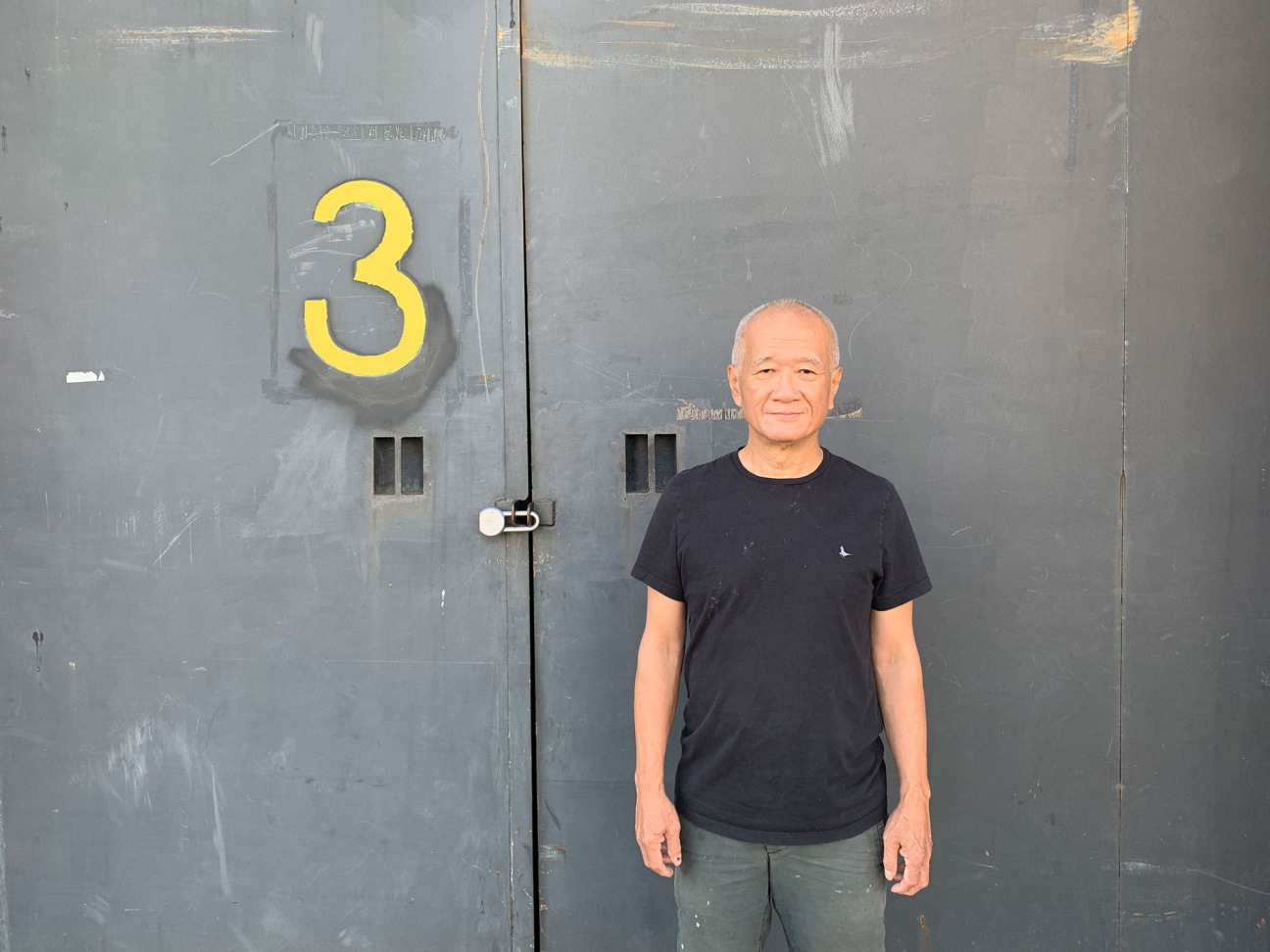
man standing against wall with three on it
Tehching Hsieh.

KH: Does recording a performance change how it feels to make it?

TH: My performance is real-time at the present. Document is recorded time. When time passes, the work is gone. The document is the trace and evidence of my work.

KH: What's the relationship between you and your stage self?

TH: In my work, there is no difference between art time and life time; they are both doing life. The difference is that art has a form. I shall follow the roles and discipline.

KH: What do you hope to see more of on stage in the near future?

TH: Time is a big theme and, like a container, artists could create different works freely to fill it in.

Get CULTURED. Lead the Conversation.

Join now to get ahead of this year’s biggest moments in art, fashion, literature, and more.

You’ve almost hit your limit.

You’re approaching your limit of complimentary articles. For expanded access, become a digital subscriber for less than $2 a week.
You’re approaching your limit of complementary articles. For expanded access, become a digital subscriber for less than $2 a week.

Already a Subscriber? Sign in Here

You’re approaching your limit of complementary articles. For expanded access, become a digital subscriber for less than $2 a week.

GET ACCESS

Already a Subscriber? Sign in Here

Want more in your life?

For less than the price of a cocktail, you can help independent journalism thrive.

Pop-Up-1_c
Already a Subscriber? Sign in Here
Pop-Up-1_c

Already a Subscriber? Sign in Here

Want more in your life?

For less than the price of a cocktail, you can help independent journalism thrive.

Pop-Up-1_c
Already a Subscriber? Sign in Here
Pop-Up-1_c

Already a Subscriber? Sign in Here

You’ve almost hit your limit.

You’re approaching your limit of complimentary articles. For expanded access, become a digital subscriber for less than $2 a week.

You’re approaching your limit of complementary articles. For expanded access, become a digital subscriber for less than $2 a week.
Already a Subscriber? Sign in Here
You’re approaching your limit of complementary articles. For expanded access, become a digital subscriber for less than $2 a week.

Already a Subscriber? Sign in Here

This is a Critics' Table subscriber exclusive.

Subscribe to keep reading and support independent art criticism.

Already a Subscriber? Sign in Here

Want more in your life?

For less than the price of a cocktail, you can help independent journalism thrive.

Pop-Up-1_c

Already a Subscriber? Sign in Here

Pop-Up-1_c

Already a Subscriber? Sign in Here

You’ve reached your limit.

Sign up for a digital subscription, starting at less than $2 a week.

Already a Subscriber? Sign in Here

Want a seat at the table? To continue reading this article, sign up today.

Support independent criticism for $10/month (or just $110/year).

Already a subscriber? Log in.