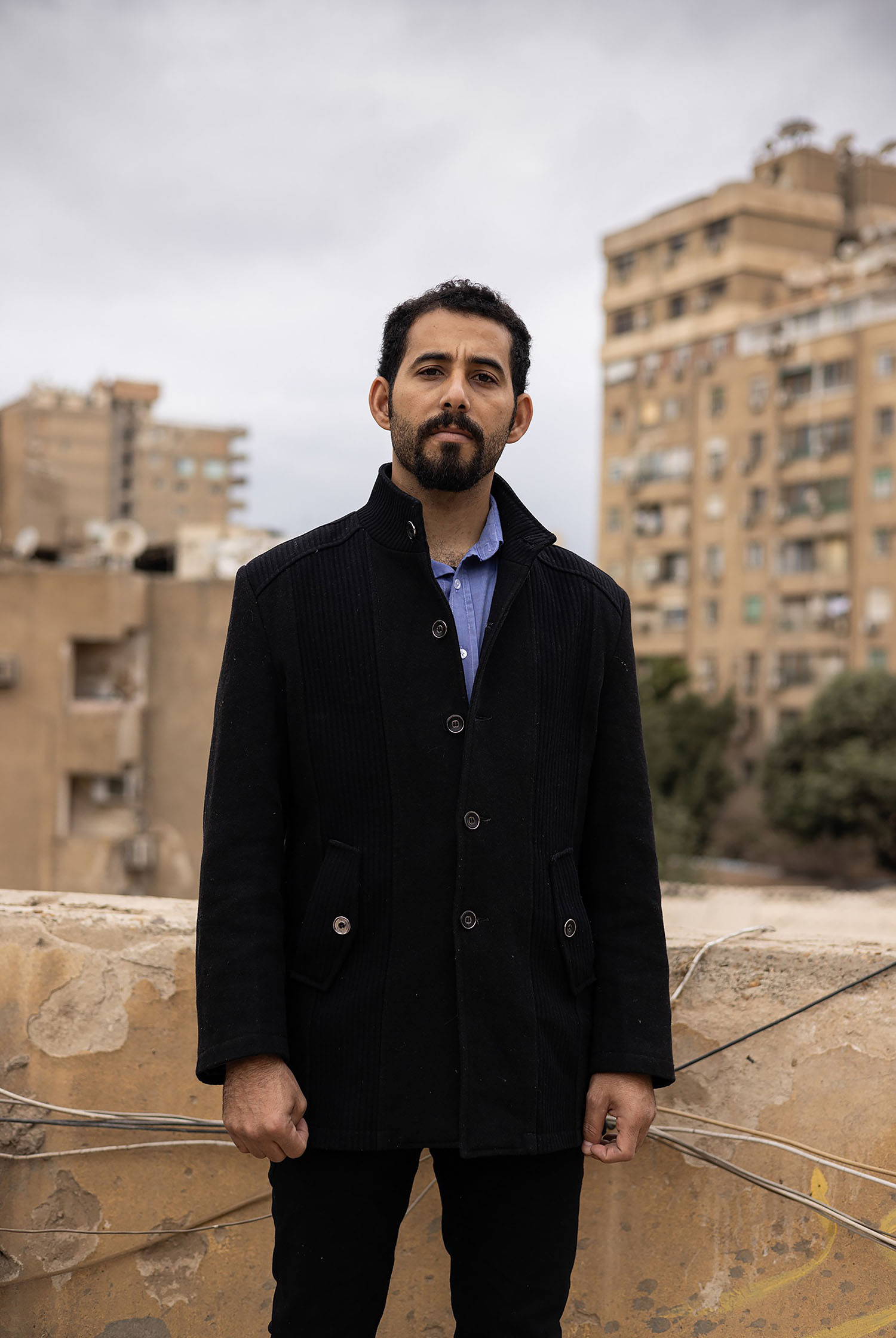
Mosab Abu Toha, who was exiled to the U.S. following his abduction by Israeli forces, won the Pulitzer Prize for Commentary in 2025 for his lyrical and urgent writing on the war in Gaza. An award in the midst of a genocide can feel like a bitter reward, but the Palestinian writer’s words have offered a guiding clarity to countless readers.
What do you want to see more of in your industry? Less of?
I want to see more voices from Palestine, especially from Gaza, published. I hope publishers and editors will show the courage to speak about Palestinian writers, their lives, and the irreparable destruction Israel has inflicted on Palestinian culture. I also want
to see authors stand in solidarity with Palestinian writers by every means possible, especially those who were killed by Israel along with their families. I want to see less censorship of Palestinians at cultural and literary festivals, and greater consistency and moral clarity in the statements issued by cultural institutions.
What’s one work of art that got you through an important moment in your life?
Refaat Alareer’s “If I Must Die.”
What do you think is your biggest contribution to culture?
I hope that through my poems and essays, and by sharing news with the world, whether on social media or in television interviews, I have shown other writers, poets, and artists that our language and our voices can reach beyond the boundaries of our art. We can use them to speak out against injustice whenever we see it. Our role is not only to bear witness, but also to invite others to witness with us and inspire them to act.
What keeps you up at night?
The breaking news from Gaza. My family and my wife’s family have been living in tents there for months. Almost every night, early morning in Gaza, there are reports of another family killed in an Israeli strike. When the news is quiet, I turn to books or write in my diary, trying to process the weight of it all.
What are you looking forward to this year?
Justice for the people of Palestine.
What question do you ask yourself most often while you’re making work?
While writing during an ongoing genocide, first under the bombs and later in exile, I often asked myself whether any of my words could save my life, or the life of even one child.
Where do you feel most at home?
When I’m with my wife and children, and when I’m tending to the plants in our backyard—planting, watering, and nurturing them.
What would you be doing if you weren’t working in your field?
I would be exploring new places, studying nature, and learning from different cultures. Or I might retreat to a small farm, live from its soil, and share its harvest with neighbors and friends.
What do you want to see more of in your industry? Less of?
I want to see more voices from Palestine, especially from Gaza, published. I hope publishers and editors will show the courage to speak about Palestinian writers, their lives, and the irreparable destruction Israel has inflicted on Palestinian culture. I also want to see authors stand in solidarity with Palestinian writers by every means possible, especially those who were killed by Israel along with their families. I want to see less censorship of Palestinians at cultural and literary festivals, and greater consistency and moral clarity in the statements issued by cultural institutions.
What’s been the hardest part of your career so far?
On October 28, 2023, our four-story house in Gaza was bombed and completely leveled. Fortunately, my family and I were staying with relatives in a refugee camp at the time, so we survived. Three weeks later, I was abducted by Israeli forces and subjected to brutal treatment: handcuffed, blindfolded, sexually abused, beaten, and forced to remain on my knees for the entire 52 hours of my abduction. It’s a miracle that I survived, something I do not take for granted. I cannot stop writing.
To read more from the 2026 CULT100 honorees, see the full list here.


 in your life?