I was 20 years old when the first episode of Euphoria aired in June 2019. At that time, things were still good with my parents, and I had a home in Jersey to return to during summers between college—a neighborhood that held me a little like a cradle. Sometimes, in areas of comfort, it’s easy to believe your world is a lot bigger than it is, to feel on top of things when all the moving parts are mostly suburban and still. Things like small-town gossip and house parties are monumental when the radius of your life stretches no further than the last row of houses you can see through sips of stolen beer, cracked open on top of the YMCA parking garage.
I would describe the girl I was back then as a “good” one. I drank, but didn’t really touch anything else, telling friends partial lies to mask fear, hoping they sounded like wisdom or maturity: “I have enough going on in my mind as it is.” Though that was mostly the truth, my time around drugs was always spent nervously, ready to refuse with another comment about my mental state or my favorite joke about how I was the only girl in America the D.A.R.E. program seemed to have had an effect on.
Even the freedom of college terrified me, losing it after my first proper party freshman year, standing on a chair, a Lime-a-Rita clutched in protest to the popcorn ceiling, demanding to hear something from Watch the Throne—before slipping, falling, and waking up on cold bathroom tile. Telling my roommate the next morning I was never touching alcohol again, and keeping that promise for the better half of a year.
My mental health was the only thing that caused me to deviate from my path, giving me a taste for bad and an annoyingly unwanted edge that confused me. Moments were lined with a certain darkness, granting me with odd abilities, like the power to walk into any room and identify all the different ways—and which items I could use—to kill myself right then and there. Life was typical but dark, and I usually felt locked inside of it, spending most of my time alone under a weighted, heated blanket combo, eager to sleep through the day if I didn’t have plans.
Who could blame me? The world at the time wasn’t the most encouraging, monsters like Trump made the concept of hope feel slippery, and though I’m sure many young people felt exactly like me, I wasn’t in the place to seek their community.
After a string of very public suicide attempts, I was institutionalized in the winter of 2019 for two weeks, only a few days after my 20th birthday. I spent my time in treatment by a big window, waiting to hear from God. I know now, as someone a little wiser, that sometimes he is silent for a reason, making me take stock of my life in that sterile environment. I knew then that I didn’t want to be this depressed little chick who barely belonged to the world. I wanted to make a dent, a name for myself, to live in big cities and make them about me.
So, I was primed to enjoy Euphoria.
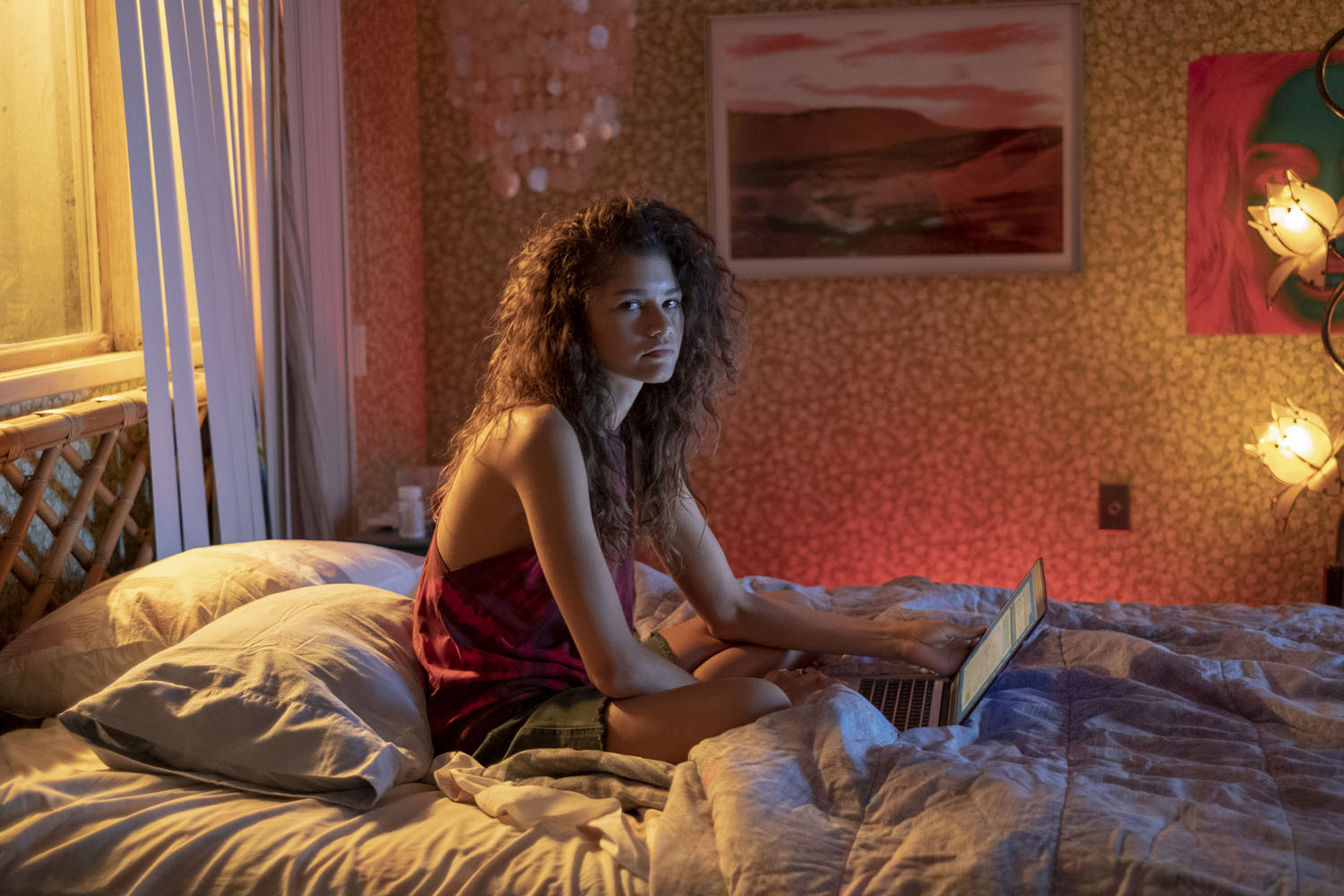
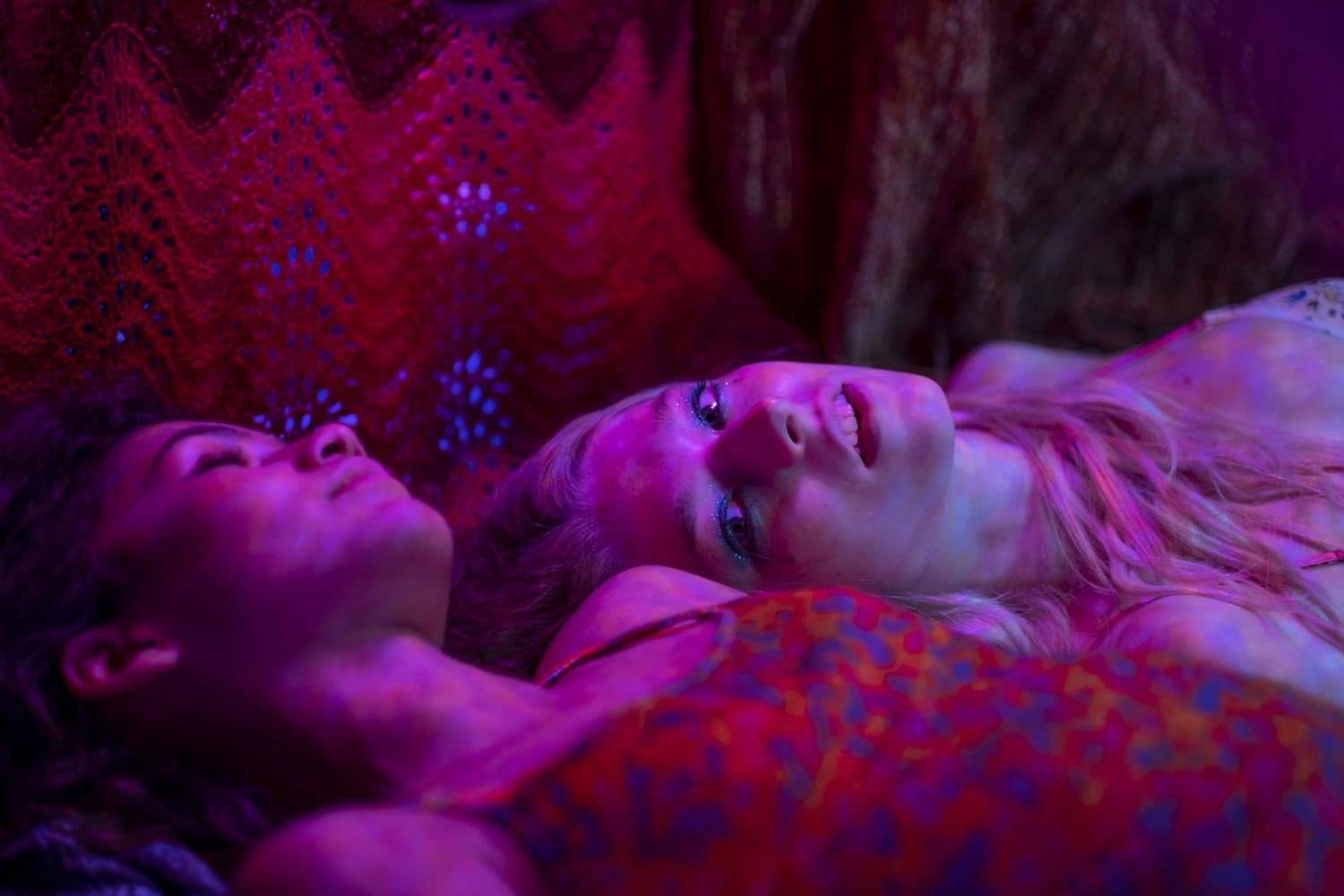
Though my life wasn’t as rich, glittery, or I.AM.GIA–injected, after sitting down on that first “Euphoria Sunday” in Montclair, New Jersey, my life was given a new filter. I delighted as my eyes feasted on the Tumblr GIF–informed candy placed in my hands by HBO. Each frame held some type of cultural magic, each line of dialogue punctuated with the oomph of a Fila Disruptor. It’s so funny to imagine an America unacquainted with the open-window breeziness of Hunter Schafer, or untouched by Alexa Demie’s profanity-laced speech at the carnival.
I tuned in every single week, no matter what was happening. It didn’t matter how sad or busy I was. A lot of Euphoria’s magic lies in this perfect mix of the unbelievable and the believable: storylines similar to rumors I had heard in real life or read on r/amitheasshole while clutching my cracked iPhone in the dark before bed. It orbited my actual life—the adult stuff that health class pamphlets made sound boring in an attempt to save us—things like porn, consent, drugs, depression, power dynamics, sexuality, and gender identity. All the trouble of growing up, painted in a shade of sky-night blue only visible to 19-year-olds out too late.
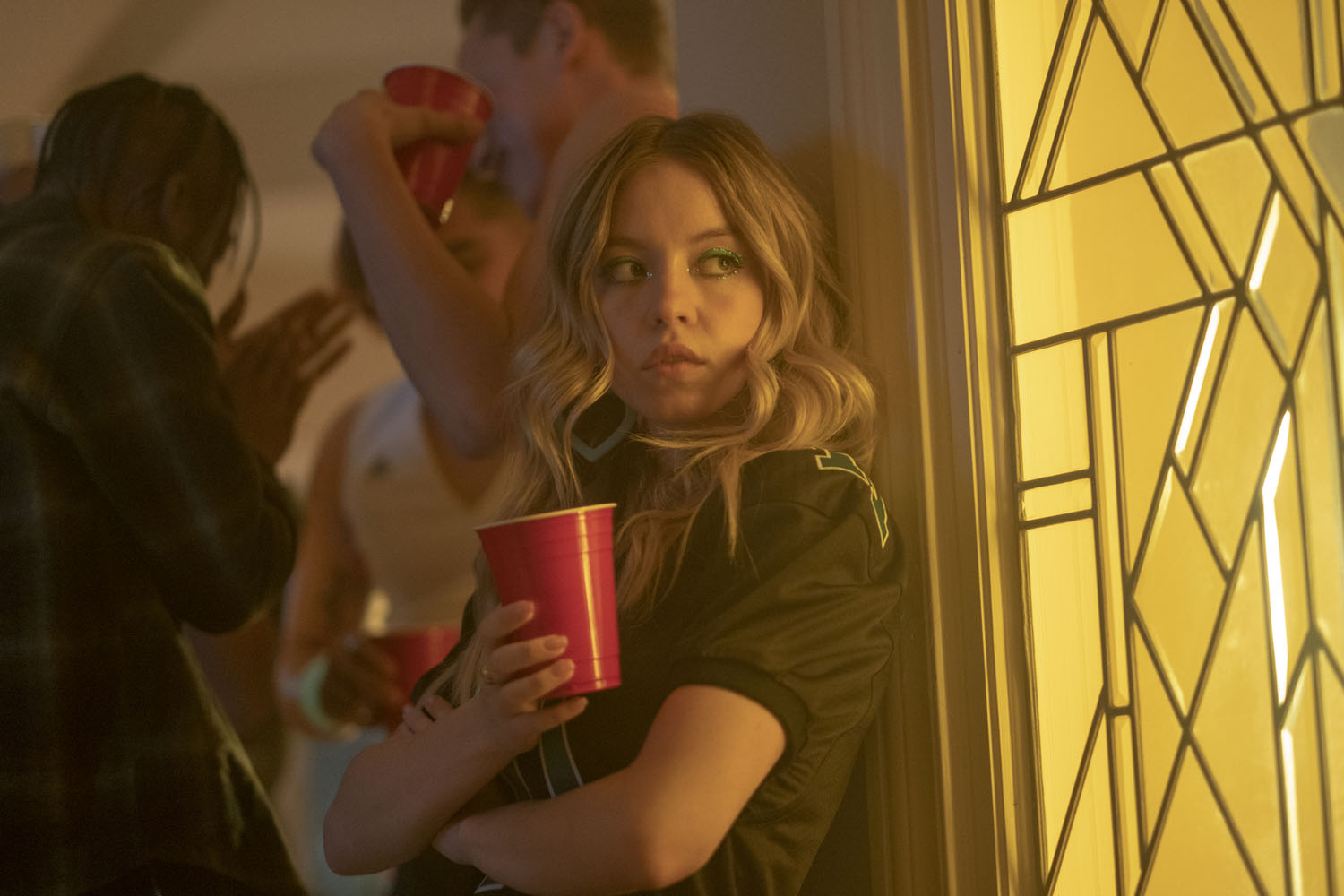
Though we’re the most documented generation, I think Gen Z was desperate to be described. Especially in the early days, right after season one aired, I felt like I was part of something special. It was easy to use Euphoria as a talking point between me and my peers, all living in a digitally mediated world that collapsed the boundaries between childhood and adulthood, Pornhub ads popping up next to computer games, dog-filter Facebook photos being used to train the facial recognition software of a military halfway across the globe. And back then, we were only a few years out from #MeToo, which recast the kindly men on your family’s TV into a darker role.
Personally, I see Sam Levinson as some type of bogeyman. Most men who make art about the sex lives of teenagers usually are. After rewatching the first season, I was shocked at how hardcore some of the content was. And I am by no means a prude. An intergenerational rape scene, wrapped in an aesthetic obviously stolen from Petra Collins, just won’t ever sit right with me. Levinson uses Rue, the camera, and the script as an excuse to explore bodies he would never have access to in real life—a truth far too common in Hollywood. His take on the struggles of my generation—more depressed, more politically divided, more existentially threatened than any before it—tip from sympathetic to voyeuristic.
But I’m morally gray too, and find it impossible to separate myself from this show.
By the time season two aired, I was in a different stage of life. I was 22 and living in Los Angeles as a shop girl, spending most of my hours behind a cash register at Iguana Vintage on Hollywood Boulevard, doing the mental math all retail workers do, “30 minutes is basically two 15 minutes,” waiting for lunch, getting paid under the table, feeling unimportant. I went to LA during the pandemic, originally as an attempt to wait out some family drama, but it seemed that just as I rolled my suitcase through the archway of my Airbnb, I’d be staying there for a lot longer. I felt a little like Jules in the season one finale, putting on my best pair of boots and planting them somewhere new because I simply had had enough.
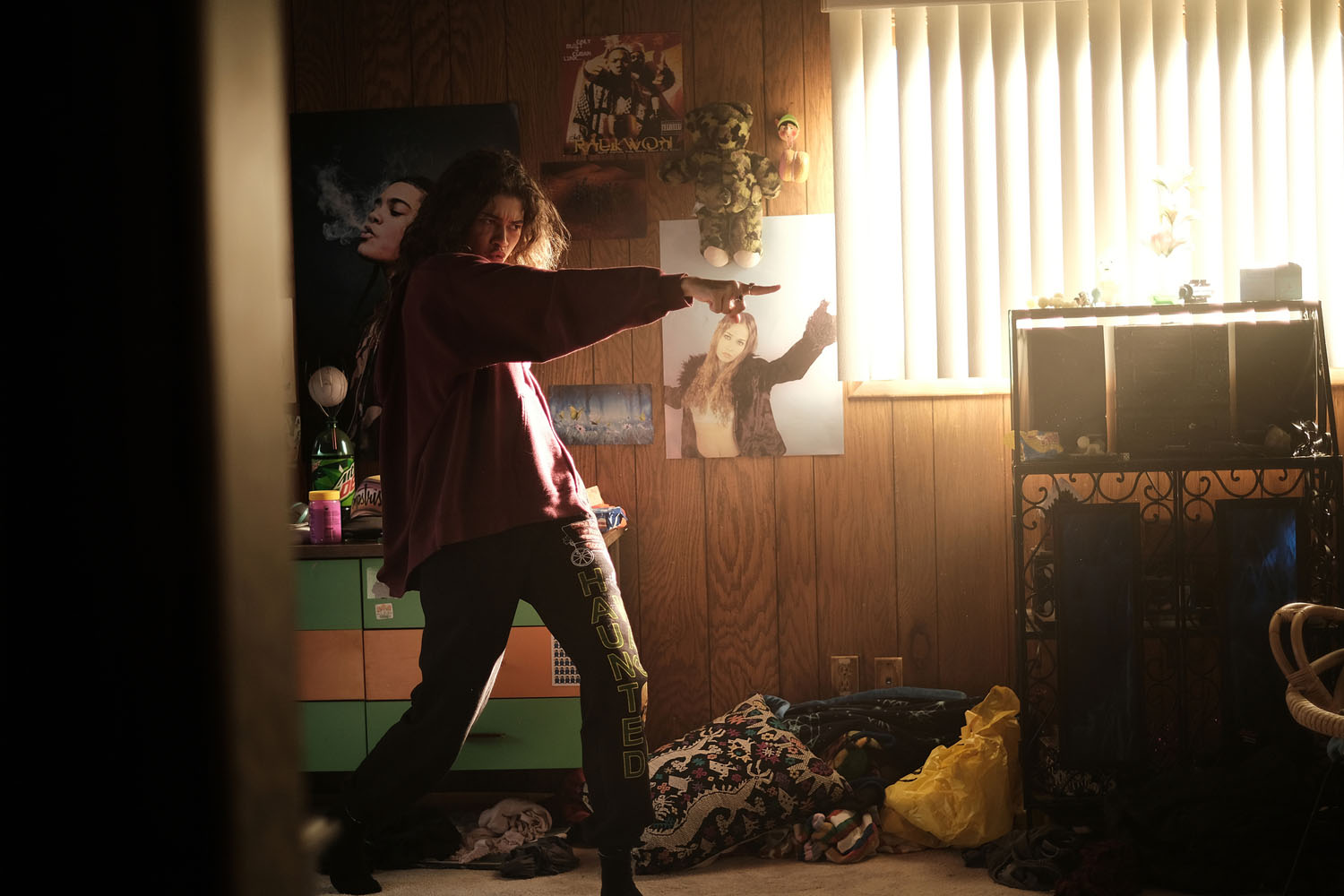
Distance allowed me clarity, and removed me from the violent dissolution of my parents’ marriage. The messy details—like affairs, sickness, and arrests—didn’t have to be my problem, or my descriptors, if I became my own person.
My life on paper was ridiculous, but for some reason, I was a little bit happier. My world had become bigger, and freedom seemed less terrifying, more manageable. I got off SSRIs and traded them in for weed, smoking most of my days into a cloud of giggles. I had worries, most of which revolved around money. I was a loser, and any way to make a name for myself was out of reach, but at least I was closer to being an adult.
There’s something surreal about suddenly living in a place where one of your favorite shows is set. The streets of LA now existed in a real context; they didn’t feel fake, like a set, as I assumed they would. I didn’t have a car, so I walked them just like Rue, always remarking at all the places to hide and duck into—to light a joint, to piss. LA’s griminess had a romantic hold over me immediately, giving me a further understanding of Euphoria’s rhythm, a heart beating at 130 BPM like a pop song on the radio of a passing car. I think being in Los Angeles made Euphoria feel like some type of trick mirror. I was closer to the show than ever, but as I grew up, I felt farther away from Levinson’s narrative, yet still entangled in its examination of the impact a reckless youth can have.
I’d clock-watch during my Sunday shifts at Iguana and take a Bird scooter home. Stop at the bodega, ignore Twitter on purpose to avoid spoilers, open the door, crack a beer, and sit. Though season two was less relatable, I think it’s my favorite. I’ve always had a taste for the absurd and soapy.
On-set drama aside (we all remember the many rumors of rifts and a toxic workplace, right?), this isn’t too dissimilar to how friend groups work in real life. People make new friends, try on new interests, and hook up with random bitches. One moment you’re partying with your good sis Kat, and the next you’re listening to Dominic Fike play the longest song you’ve ever heard in a mildewy bedroom on an out-of-tune guitar. That randomness is a perfect ode to youth. My time in LA wasn’t spent too differently than that; I was trying things out, most of which didn’t make sense, but the sum is the woman I am.
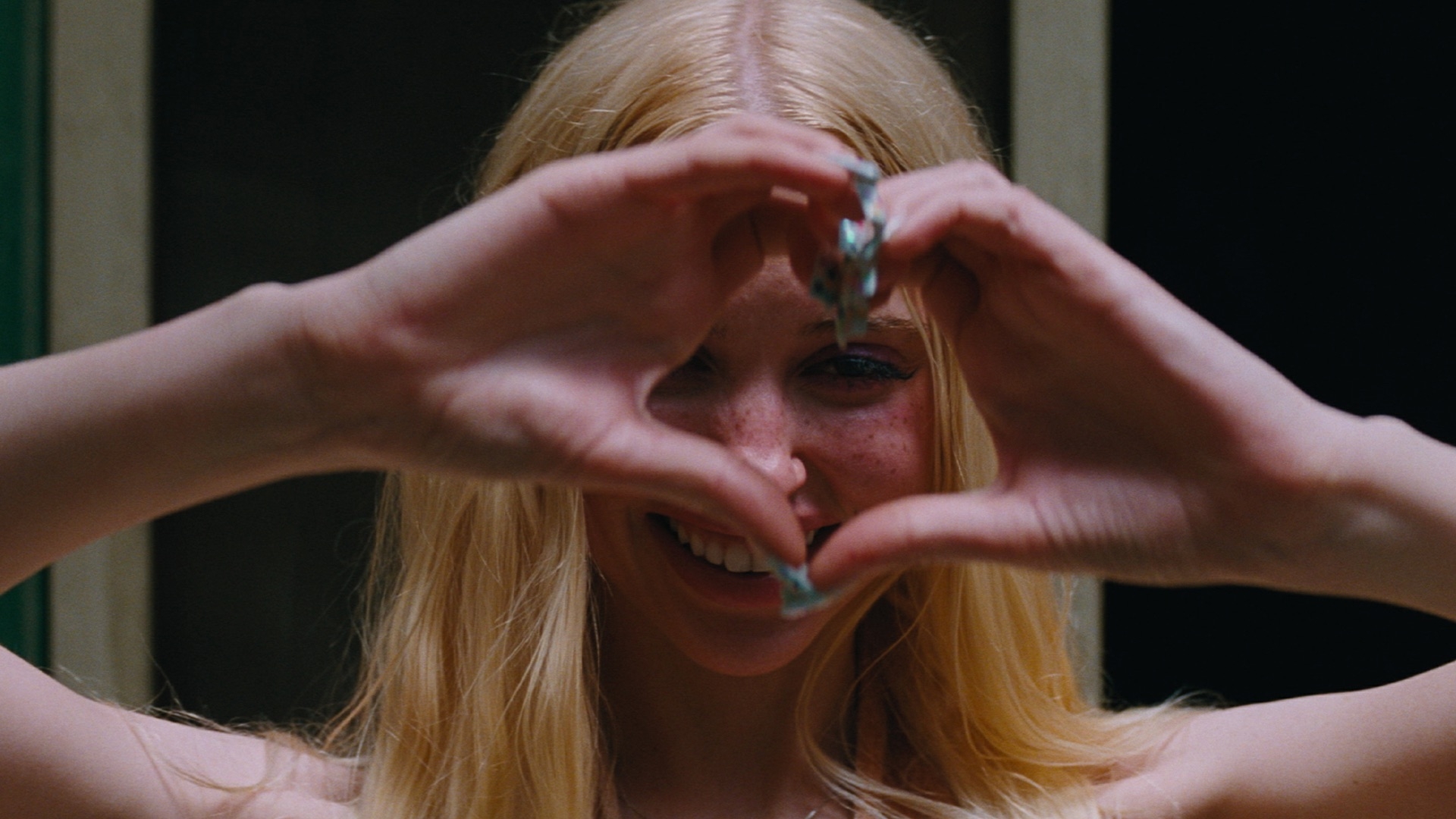
Now, it’s 2026. I’m 27 years old. I live in Brooklyn, and season three of Euphoria is airing again.
New York is loud and busy, unlike the suburban stillness that held me captive when I first tuned into the program. Sometimes it feels as if the world has been splayed and emptied at my feet. The stretch between Euphoria’s scant three seasons has been so long that I’ve completed the little plans I hatched by that big window while waiting for a sign from God.
When I was asked to write this article, I was excited. I invited friends over, a few old but mostly new ones, to sit and discuss the show that shifted the language we use to describe our generation. I think I undershot how emotional the process would be. I watched the carnival episode with my friend Noah. He suggested we look through our camera rolls to see who we were when the show first aired. I saw an old video: me in the car with my favorite ex, hair short but different, acting the same but completely unaware of what was to come. After Noah left, I watched the video again, this time in my room, putting on “Fly Me to the Moon (In Other Words)” by Bobby Womack—a song used in the show’s second episode—on loop as I looked up to my bedroom ceiling, crying.
Euphoria itself has grown too big for its plot; the cast’s lives have become public business, their star power overshadowing characters that used to feel real, the show itself becoming stranger than fiction. Four years since its last season aired, it returns with a disjointed whimper rather than a bang. The characters make little sense. The story’s lost its sense of purpose, wrapping itself up out of necessity rather than drive.
Levinson says season three is inspired by step three of AA: decide to turn your life over to a higher power for guidance. I’m no stranger to 12-step programs; I attend an SLAA meeting most Saturdays and have become terribly familiar with the act of surrendering to God. Sometimes things don’t go as planned, and sometimes they do; aesthetics change, loyalties waver, actors get bored—but that is just the truth of life. It’s about the journey, the side quest, the time spent doing a job you never thought you’d have.
I’m older now and much more complete. Fragments of myself and this show putting me together like a puzzle. I’ll always look back on Euphoria with fondness, as a skewed snapshot, or a picture of a picture of my generation. We can’t talk about us without talking about it: conflicted, desperate, and hopeful all at once.
More of our favorite stories from CULTURED
Legendary Art World Deviant Paul McCarthy on Santa Claus, Trauma, and the Rise of Fascism
Gabby Windey Shares Her Book Recommendations for the Manosphere and Depressed Women Everywhere
15 Collectors Offer Their Best Advice For Getting Started
Bryan Stevenson on What Social Justice Movements Can Learn From March Madness
A Guide to the Real-Life New York Restaurants Where Characters Eat on TV
Sign up for our newsletter here to get these stories direct to your inbox.



 in your life?