Simon Baker’s reading list is a bit like a syllabus of his own making: How to Teach a Restless Kid About the World 101. It makes sense, the actor spent his childhood bouncing between small town and suburban Australia. Finding new perspectives was almost as challenging as sitting still with a book for someone so “scatterbrained,” as he puts it, but things finally clicked in the teen years. “Oh, there’s another whole little world in here,” Baker realized, after cracking open Richard Bach’s Jonathan Livingston Seagull. Cue, a hunger for treatises on filmmaking, philosophy, peyote, and geopolitics told with all the drama of the shows and films that made his name.
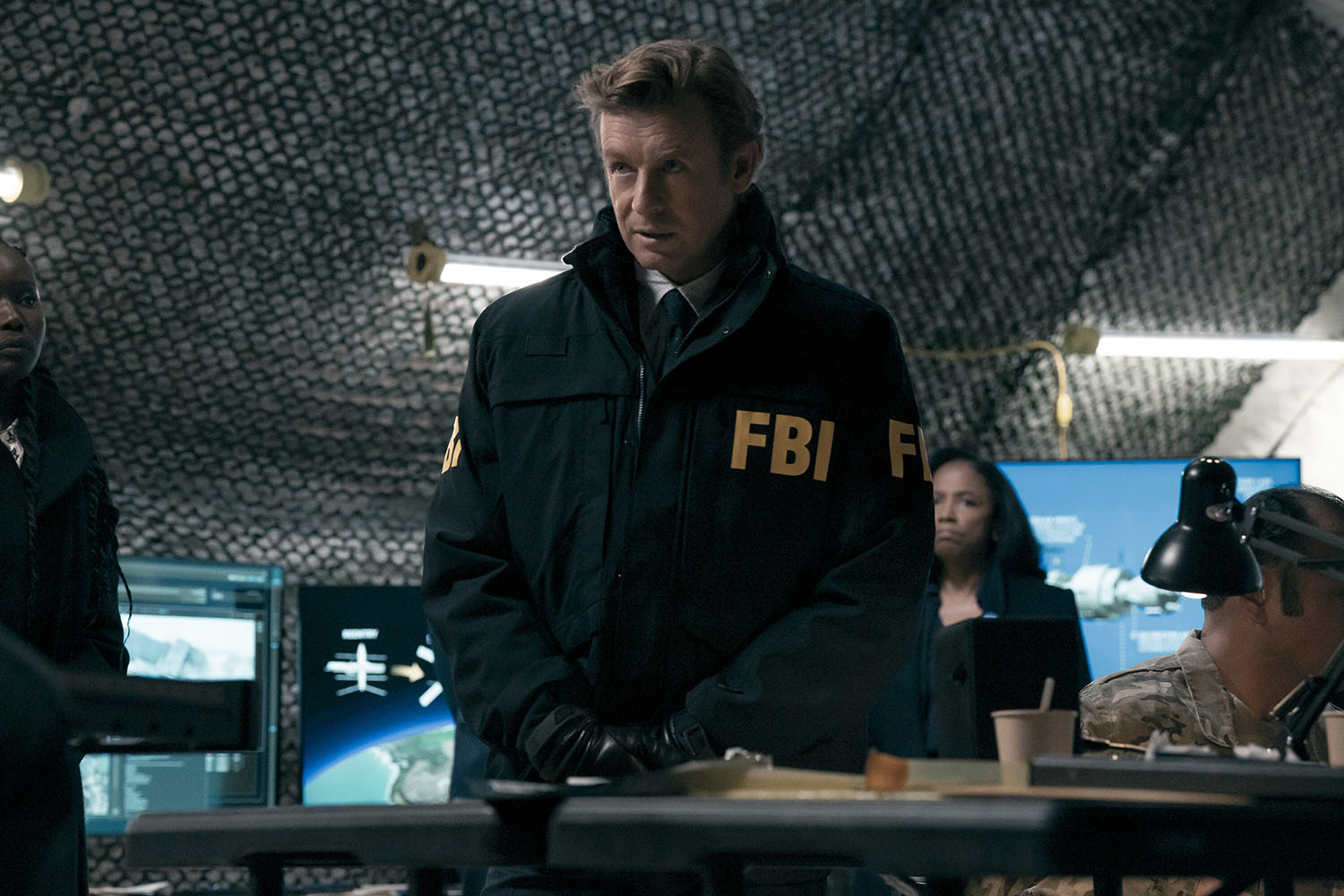
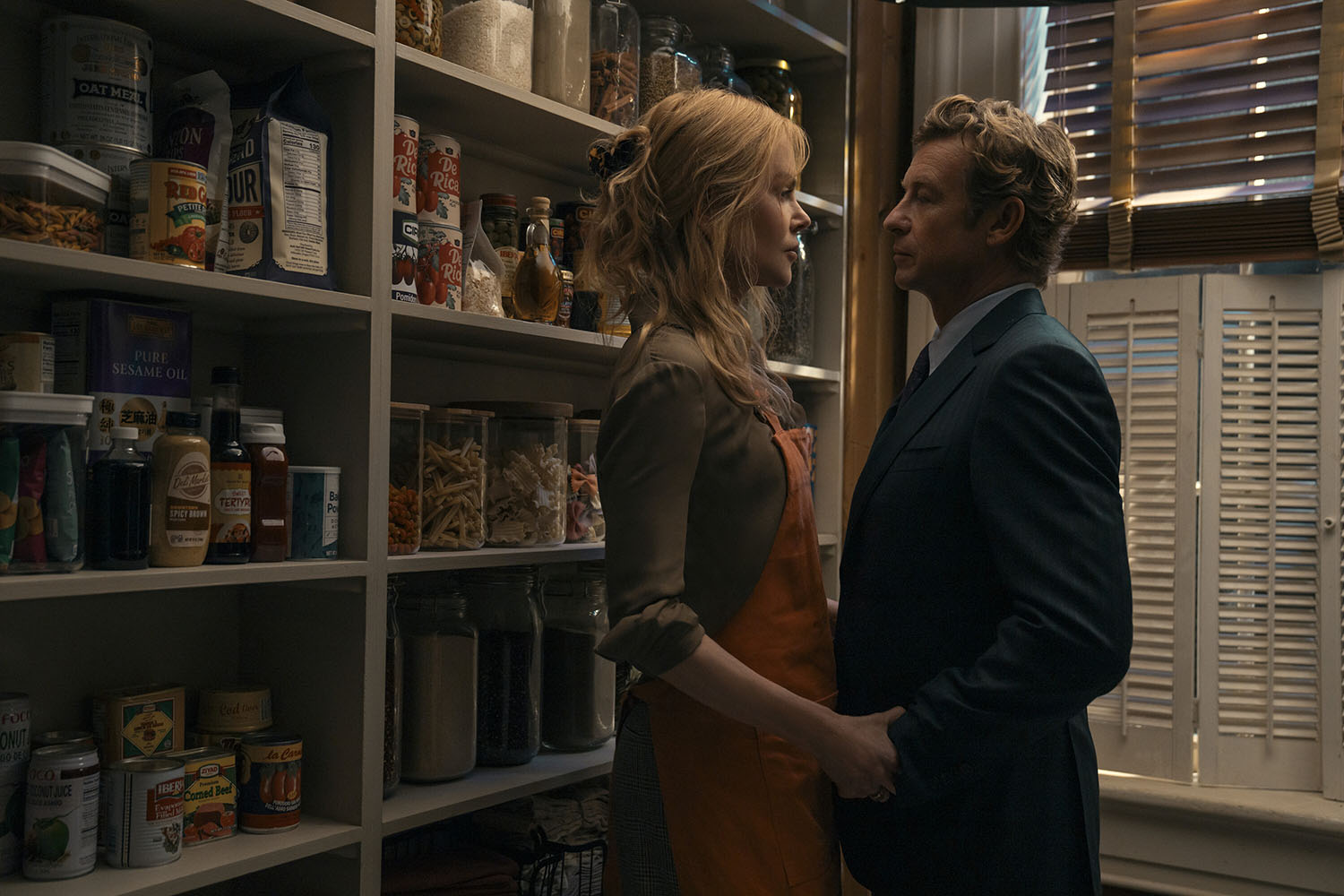
Storytelling, he tells me, is both his practice and passion. Baker is best known for starring in the long-running Mentalist crime procedural, though with The Devil Wears Prada 2 around the corner, many are fondly remembering the dishy love interest he played in the first cult favorite film. Most recently, he’s found himself opposite Nicole Kidman in this year’s Scarpetta series, based on the series of the same name by Patricia Cornwell. Baker plays husband to Kidman’s mystery solving forensic pathologist.
As he helps take Cornwell’s pages to the screen, we checked in with the actor to take a look through what else lines his bookshelves at home in Australia, and source a few recommendations for those looking to expand their own reading horizons.
How are you feeling now that Scarpetta is out? Have you been enjoying hearing people work through the show?
That’s always an interesting thing because you have your experience and your own perception of it, and then, with anything, once you make it, you let it go and it becomes someone else’s experience then.
And your next project, Klara and the Sun, is with Taika Waititi, which you finished filming. How is it working with him on set?
Working with Taika’s great fun, as you could imagine. It’s just awfully playful. In fact, I have a great story around that where he called me, maybe about three, four months ago, and left a message. It’s probably one of the best voice messages I’ve ever gotten where he told me that I was cut out of the film. But it’s the sweetest and very, very humorous message.
I mean, that happens. I don’t think I’ve ever been cut out of something before. I’ve made a film, so I understand. Because I’ve been working for a long time and I’m a bit more mature, it didn’t impact me in any way. I was like, Fair enough.
Do you read a lot about filmmaking?
I’ve read a fair bit about filmmaking. There’s a wonderful book, Hitchcock/Truffaut, which is correspondence between the two of them, which is fucking awesome. We lionize these figures as filmmakers, but then when you read the correspondence between the two of them, you get a sense of their own personal struggles and self-doubt and question marks and positions and views on different stories—and also the business of hustling to get films made.
I’ve got a series of books of interviews with different directors. I’ve had that for years. I’ve got one on Scorsese—maybe 25 interviews with him back in the day when interviews were printed and long-form. I’ve got one on Robert Altman as well. They’re really good because you can read an interview he did on Taxi Driver, and then you read an interview he did on Goodfellas, which is however many years apart. Marty’s so articulate and such a gifted natural teacher. Then there was another book I found before I directed my first film, called My First Movie. Have you heard of that book?
No, I just like the thought of picking up My First Movie like, I’m gonna get after it!
Well, there are other options like, Filmmaking For Dummies. What we’re talking about is interviews with all of these different directors, in-depth interviews about making their first movies. From Jim Jarmusch to Ang Lee, Marty Scorsese. There’s another great book about Walter Murch, In the Blink of an Eye. I go to this one a lot. He was a sound designer and editor on Apocalypse Now. That film is really revolutionary as far as sound design goes. It’s a whole book of interviews discussing casting and shooting.
If you’re reading a lot of interviews, are there places you go now to hear directors talk, like leafing through The New Yorker?
I used to read The New Yorker. I don’t read it as much now that it’s online. It could sort of sit under a cushion on the couch. I used to love the reviews in The New Yorker. [Anthony] Lane, does he still do them? Who does them now?
Richard Brody.
I see him online every now and then. He’s got a beard, right?
Yes, that’s him! He’s always on Twitter.
Lane was the guy when I lived in LA and would read The New Yorker there. I used to think magazines were really good for me. I’ve [got] a pretty short attention span. In my generation, I was referred to as a scatterbrain, which is now what you refer to as ADHD. Now it’s not an insult as much. Scatterbrain was like fucking insulting. But it was true.
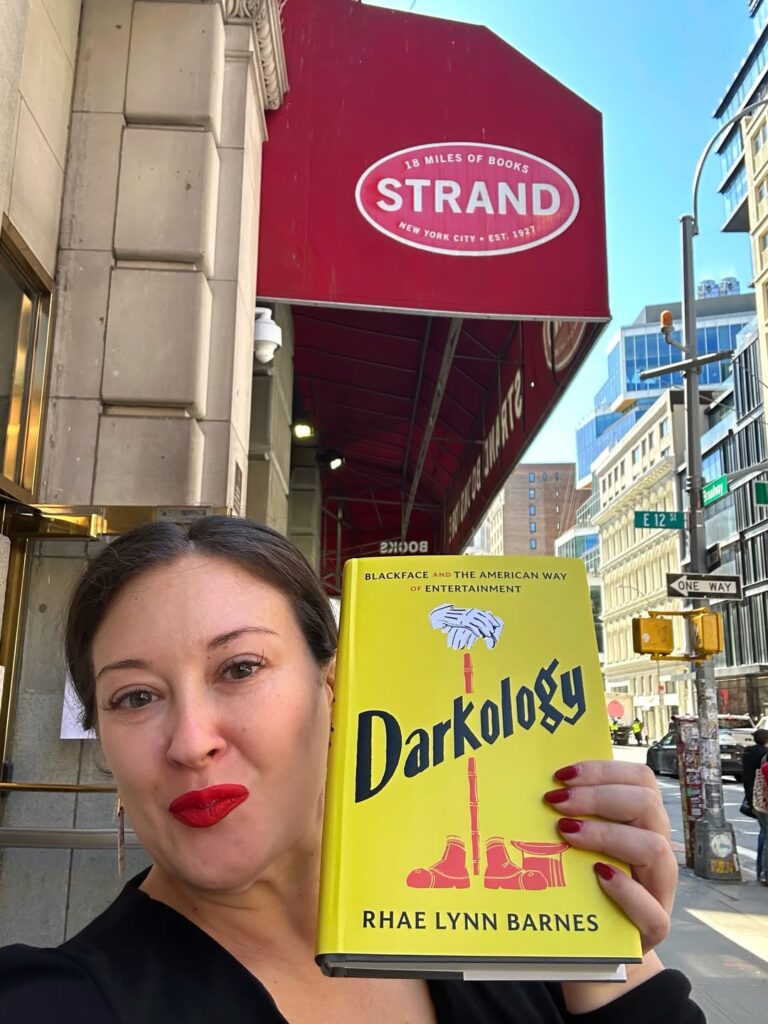
There are still a couple of magazine shops around that you go into and they’re akin to a record shop. If I’ve got hours to kill, I’ll go to a record store and pick through, or I’ll go to a bookstore. I can safely confess that I buy far more books than I read just because there’s this excitement of potential in a book. Then I get home, make a cup of tea and go, Which one, which one? I pick one up and I’ll start to read that and I’ll go, The other one’s probably better. The scatterbrain thing kicks in.
I did read that your mom was an English teacher and was wondering if she gave you a reading list at home.
No, my mom became an English teacher after I left home. She was more into airport novels. She loved the whole Patricia Cornwell Scarpetta series. We didn’t have a lot of books in the house. We were pretty blue collar. We had the Funk & Wagnalls encyclopedia collection up to E, but we didn’t have enough money to buy all the way through to Z. So, whenever I’d have to do school projects and stuff, I’d have to go to the library at school because anything past E, I couldn’t research.
Or just hope that it started with an A.
Yeah, A [was] fine.
Were there books as a kid that you always went back to?
The first book that I remember reading voluntarily, that was just kicking around at home, was Jonathan Livingston Seagull. It’s just a very small book, but it was just about individualism and bearing off from the flock told through this idea of the seagull story. I used to like that book because it wasn’t thick. It wasn’t intimidating, and it had this poetic beauty to the idea. It took me a long time to learn to read, and I got teased about that a lot at school. So there was an avoidant thing for me around it. But that was definitely the book that I read and I thought, Oh, there’s another whole little world in here if you can sit still long enough.
That was probably around age 14. Then when I was a little bit older, a close friend who was older than me—I grew up in a beach community, so it was kind of like a hippie area at the time—he was an older bloke who used to take me surfing. He had a lot of books. I borrowed a book off him—Carlos Castaneda, The Teachings of Don Juan: A Yaqui Way of Knowledge. I was like 16 at the time and it blew my mind. It was about a guy who went and stayed with the Yaqui Indians. He was taking peyote and it was about 360-degree vision and altered perception. I remember my stepfather seeing that book around the house. He read a bit of it and was like, “I’m not really sure you should be reading this.”
Because it was encouraging you to take peyote?
It wasn’t necessarily encouraging me, but what it did do was show there’s a different perspective of life that is out there and different ways of going about things. When I think about books that mean something to me, most of them are related to self-exploration.
Is there a book that you feel like someone should read if they want to get to know you?
There’s one book that I really love and I’d like to get a copy of it again—Out of Sheer Rage by Geoff Dyer. It’s about him wanting to write a deep involved piece about D.H. Lawrence and it’s basically him being distracted and embracing all of those distractions. I think it made me accept and understand my own relationship with distractions. I first read that about 12 years ago.
It’s all coming back to that scatterbrain thing. If you were writing a memoir, what would you title it?
Before I Forget.
Is there one book that’s helped you understand the world we’re living in?
There was a book that I read maybe 15 years ago that I think about a lot more now: Confessions of an Economic Hitman. It was about a guy that was an American economist. He was a salesman and he would go into developing countries and encourage them to build great infrastructure to help their local community and they’d lend them money, but then there was a payback to the U.S. “Well, we want to build a military base here.” When I read it, I was like, Oh, this is the foundation of how the world works globally. It dances somewhere between financial security development and military control and power. It was pretty confronting. That feels almost like the training wheels for where we are now.
Simon Baker’s Required Reading
The Inner Game of Tennis by Timothy Gallwey, 1974
(Amazon, Barnes & Noble)
“It’s basically a tennis coaching book, but it’s not necessarily about the physical game of tennis—more about the mental game of tennis. But it’s relatable in the sense that it’s about the voices in your head and self-doubt and controlling or allowing those voices to be there, but not being impacted by them. It’s only a small book. I actually carry it. I’ve referred it to a few different people and some people get into it, some people don’t get into it, but I find that really good.”
A Swim in a Pond in the Rain by George Saunders, 2021
(Amazon, Barnes & Noble)
“Another book that I’ve recommended to a few people. He takes five great Russian short stories and breaks them down and analyzes the form of how story’s being told. It doesn’t feel to me like a textbook, although it basically is, but the pleasure for me in it is how clearly he articulates what’s happening in story and what’s going on in the mind of the writer, what’s going on in the mind of the reader in those times, and and how we can fit into that space, whether or not we feel the excitement of the story, where the story sort of lifts and floats through. That kind of blew my mind. My business is stories. I like stories and characters and my heart is connected to that with whatever I do.”
Hitchcock by Francois Truffaut, 1985
(Amazon, Barnes & Noble)
Out of Sheer Rage by Geoff Dyer, 1997
(Amazon, Barnes & Noble)
Confessions of an Economic Hitman by John Perkins, 2004
(Amazon, Barnes & Noble)
More of our favorite stories from CULTURED
Legendary Art World Deviant Paul McCarthy on Santa Claus, Trauma, and the Rise of Fascism
Gabby Windey Shares Her Book Recommendations for the Manosphere and Depressed Women Everywhere
15 Collectors Offer Their Best Advice For Getting Started
Bryan Stevenson on What Social Justice Movements Can Learn From March Madness
A Guide to the Real-Life New York Restaurants Where Characters Eat on TV
Sign up for our newsletter here to get these stories direct to your inbox.




 in your life?