
A vampire, a private eye, a dog with a bone—plenty of metaphors are bandied about when Patrick Radden Keefe’s name comes up, but none seem fully able to capture how deftly the journalist coaxes impossible stories from their confines.
Most recently, the Peabody-winning investigative writer—who has profiled Irish Republican Army kingpins and Big Pharma scions, confidence men and surveillance networks, in his books and viral New Yorker articles—delved into the ominous double life of Zac Brettler. In 2019, the British teenager was discovered drowned in the Thames after jumping to his death, and his grieving parents unearthed an elaborate criminal persona in the aftermath. Following his breezy 15,000 words on the subject in The New Yorker in 2024, Keefe felt himself drawn further into the London underbelly that Brettler had frequented. The resulting London Falling, out on April 7, introduces readers to a cast of characters straight out of The Bourne Identity— MI6 agents, Russian oligarchs, mob enforcers, and slimy businessmen who circled the young man.
It’s this kind of high-octane reporting that put the New York–based writer on the radar of Mickey Down and Konrad Kay, the creators of Industry—HBO’s hit series about the high-strung, high-all-the-time lifestyle of nakedly ambitious London investment bankers. For Industry’s most recent season finale, the duo tapped Keefe for a cameo: He plays himself, an infamous New Yorker writer profiling the show’s intrepid protagonist Harper Stern on her new private jet. After getting to participate in their own spectacular portrayal of London’s murkiest corners, Keefe returned the favor by calling the pair to reveal a few behind-the-scenes moments of his own.
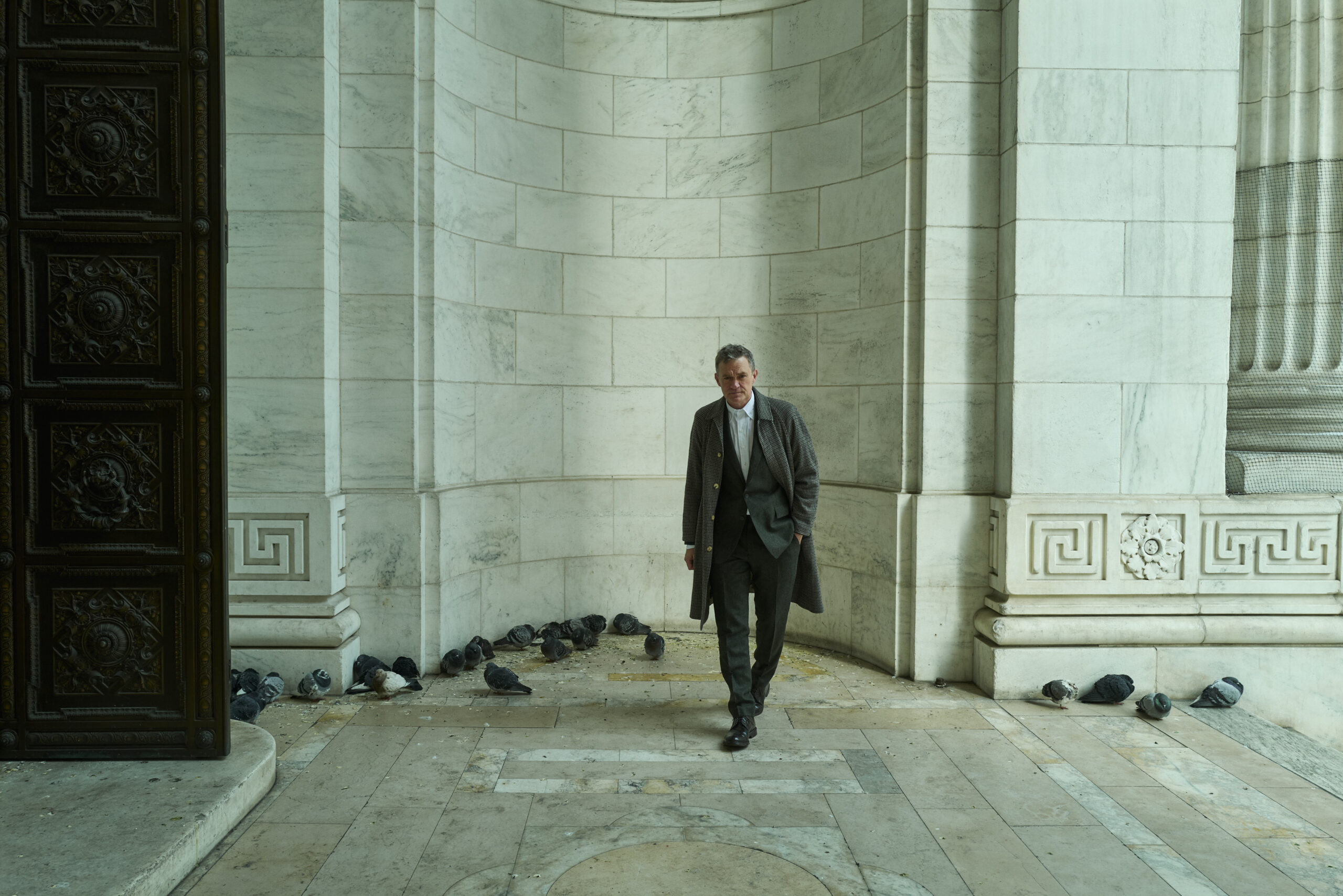
Patrick Radden Keefe: Where are you, Konrad?
Konrad Kay: I’m in Soho, already fucking writing season five for some reason. It’s a champagne problem, but it’s still a problem.
Keefe: I’m in a similar situation with this book tour I have coming up. It would be unseemly to complain about it.
Kay: I read the book in one sitting on a flight. Not to blow smoke up your ass—it’s another masterpiece. After writing your brilliant New Yorker story, what made you realize there was a book there?
Keefe: There have only been four times when I finished writing a piece and felt as though I’d just scratched the surface. This was one of them.
“If you’re a young person, particularly one very much on social media living an algorithmically informed existence, it’s possible to lose your bearings.” —Patrick Radden Keefe
Kay: Who influenced you growing up, in terms of the writing that you admired?
Keefe: I grew up reading detective stories. I read all of Sherlock Holmes, all of Agatha Christie, English drawing-room mysteries, and then hard-boiled American fiction. When I was a teenager, I discovered The New Yorker. Many of my influences during my late teens and 20s, strangely enough, became my contemporaries.
Kay: You’re a screenwriter as well. I felt that keenly in London Falling, especially the final moment of the book—that’s a director’s image. How has screenwriting bled into your longer-form work?
Keefe: For years, I made money on the side by writing scripts for studios. My agents would pitch me as this reporter who could bring you the gritty truth from the streets. The biggest thing for me is how you arrange scenes next to each other—that’s your bread and butter as showrunners. A cold open is a very classic archetype of serialized television where you start an episode, and you’re not with your characters. There’s something thrilling about that as a viewer when it’s done right. It also works brilliantly in a book.
Mickey Down: Our show has become this operatic statement piece, people say, about capitalism. What we’ve tried to maintain while doing all that is the intimacy of the relationships. You did such a good job of interweaving what feel like totally disparate parts of the British capital into this incredibly singular thing, but you also had the Brettlers at the center of it.
Keefe: I felt a great degree of emotional investment in them, partly because Zac remains a little bit of a cypher. He’s this mysterious kid who lives a double life and dies in mysterious circumstances. I was very drawn to the idea that you have these two parents who lose their son, who realize that they don’t understand who he really was or how any of it happened.
Down: Your book made me really nostalgic. The way that Zac behaved at school reminded me of so many people I went to school with who operated in those, as you say, high society and high-society-adjacent corridors. It made me feel icky about the city, how transactional it is, and its future. How complicit is London in this story? Could it have taken place anywhere else?
Keefe: Zac Brettler was pretty well-off. His dad works in finance. He grew up in Maida Vale. He goes to a private school. But he’s born in 2000, when London is trying to figure out what kind of city it wants to be. It’s not a port city anymore. It’s not a manufacturing city anymore. In this moment in time, the Russian oligarchs have made their billions, some of them in questionable ways. It ends up becoming a commodious second home for plutocrats from around the world.
Zac’s seeing this and saying to his parents, “Why don’t we live in a bigger house? Why don’t we have a nicer car?” If you’re a young person, particularly one very much on social media living an algorithmically informed existence, it’s possible to lose your bearings when you’re exposed to people with £20 million flats who drive Bugattis around Mayfair.
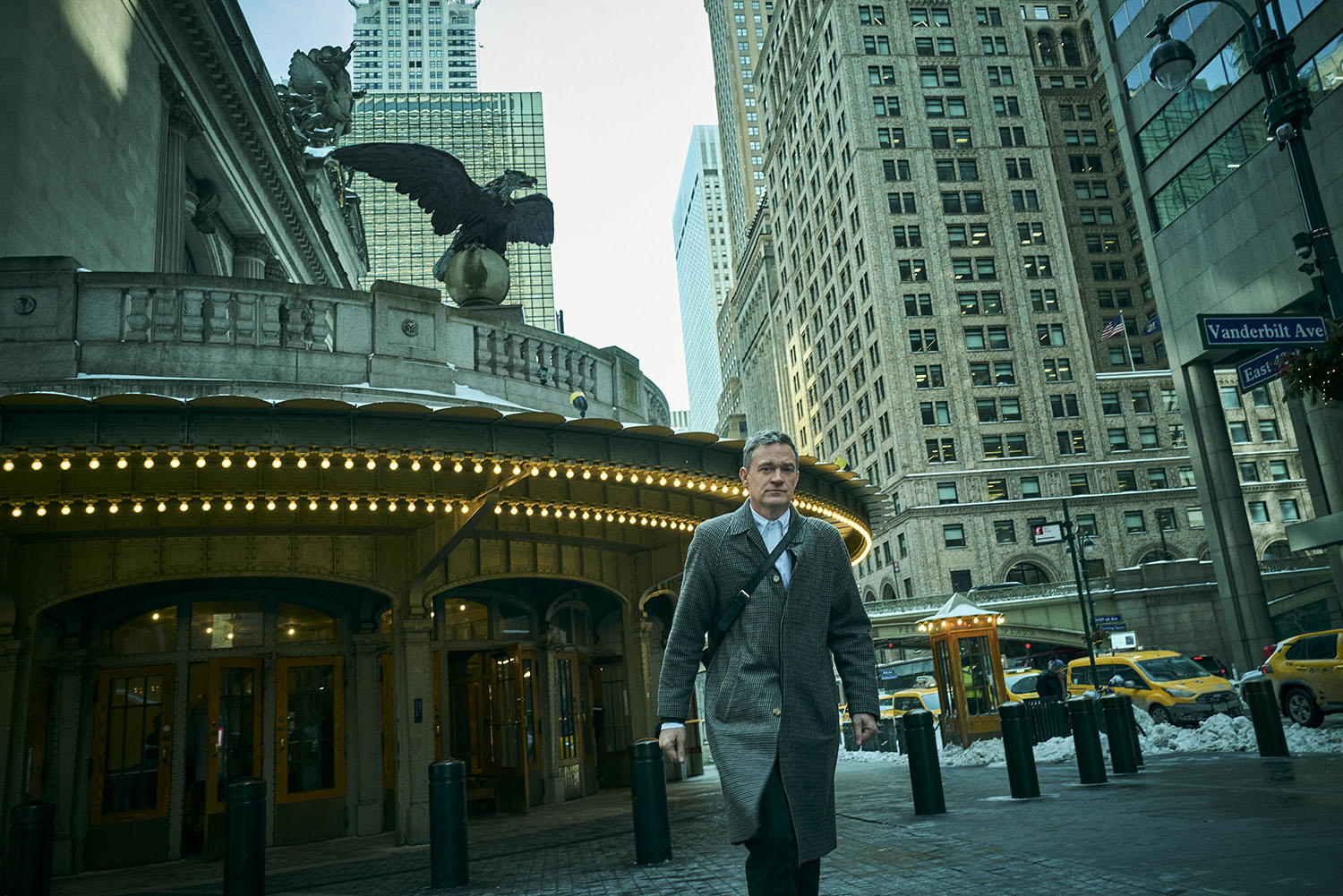
Kay: You built a beautiful relationship with the Brettlers, and you’re still in their lives. It had to be, by its very nature, very intimate. I wonder about the ethics of that.
Keefe: I think about this dynamic a huge amount with my work, because what I’m doing is coming into your home and asking you to trust me. I’m like a vampire. You have to invite me in. I say to you from the beginning, “I am going to have to turn around and write this book. I’m going to take all of these stories you’re telling me, and I’m going to put them in a book. There will be things in it that may make you uncomfortable, and a lot of people are going to read it.” On the one hand, it’s very intimate. On the other hand, I’m not a therapist, and I’m not a rabbi.
Down: Have the Brettlers read it yet?
Keefe: Yes, the three of them [Matthew, Rachelle, and Zac’s brother Joe] took it with them to Majorca on holiday, and they sat in a row on the beach and read it together. I was so nervous about what they would think, but they feel really good about it. They’re coming to New York for the launch, which means a lot to me. They’re preparing for the day when they get on the Tube and see somebody reading it next to them. This will happen eventually—people they don’t know at all will come to know their intimate family history.
Kay: There’s a part of your brain as you read the book that is trying over and over to understand what happened in the flat that night. That’s definitely why people are going to motor through the pages. Because of the gap in these men’s ages, I kept thinking, There has to be a sexual element to this story.
Keefe: Coming from an Industry showrunner, that’s a shocker.
Down: Yeah, I think we would have hit that note rather hard.
“I’m like a vampire. You have to invite me in.” —Patrick Radden Keefe
Kay: You’ve written about the IRA. You’ve written about the Sacklers. You’re writing about Russian gangsters and English gangsters. Do you ever worry for your own safety when you take on subjects like this?
Keefe: I’m pretty careful. I have a colleague at The New Yorker, Luke Mogelson—that guy’s in a trench in Ukraine getting shelled. I’m not dealing with that level of risk. My wife does sometimes talk about the law of averages, the idea that I pick too many of these types of stories, something will happen. But I’m reasonably careful.
We can’t hang up without talking about Industry. I went to Wales last summer to shoot this scene. I was there for a day, and I played a fictionalized version of myself writing a New Yorker article about the show’s protagonist. At the same time, there was a real New Yorker journalist—my friend and colleague Rebecca Mead—on set writing a real profile of Konrad and Mickey [published in December 2025].
Down: We referenced you in the script of an earlier episode before we decided to put you in the finale. When you profile a person like Harper, how do they tend to feel after you publish?
Keefe: Say there’s somebody I’m profiling, and they give me a lot of access, the way Harper would have in a piece like that. We’re talking practically every day in the final weeks. There’s fact-checking, huge amounts of back and forth. On Monday, it goes live. Generally, I won’t hear from the person on Monday because they’ve read it immediately. They zero in on the stuff that makes them uncomfortable. It’s just too weird. For the next day or two, everybody in their world is reading the piece and sending them messages saying, “Congratulations on the New Yorker article. It’s so great.” Then, late on Tuesday or Wednesday, I’ll get a note grudgingly saying, “You did a good job on the article. I’m happy with it.”
Kay: That’s a bit like what we did with Rebecca.
Down: I liked the piece so much I never spoke to her again.
More of our favorite stories from CULTURED
How Blue Ribbon Survived a Mob Run-in and Transformed Late-Night Dining
Why Cookbooks Are the Next Frontier for Narrative Writing
You’ve Heard About the New Museum’s New Building. The New Show Is Even Better.
Everyone Was Afraid to Touch Nadav Lapid’s Satire of Israeli Artists. Now, It’s Being Released.
Where 27 Artists Are Hanging Out in New York Right Now
Sign up for our newsletter here to get these stories direct to your inbox.




 in your life?