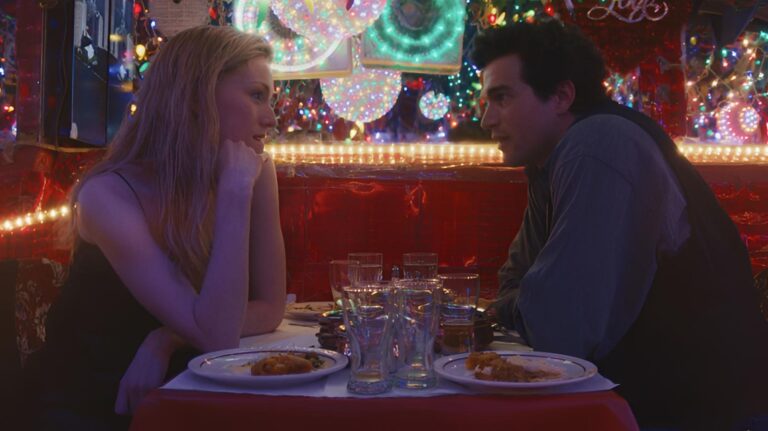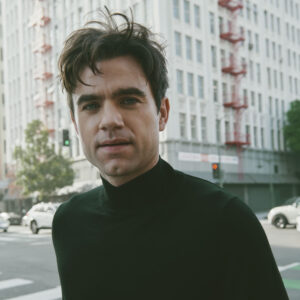
The two friend started in the industry as teens. Now, they're sharing the best moments from roles opposite Larry David, Saoirse Ronan, and more.

DATE

SHARE

Twitter
LinkedIn
Facebook
Email
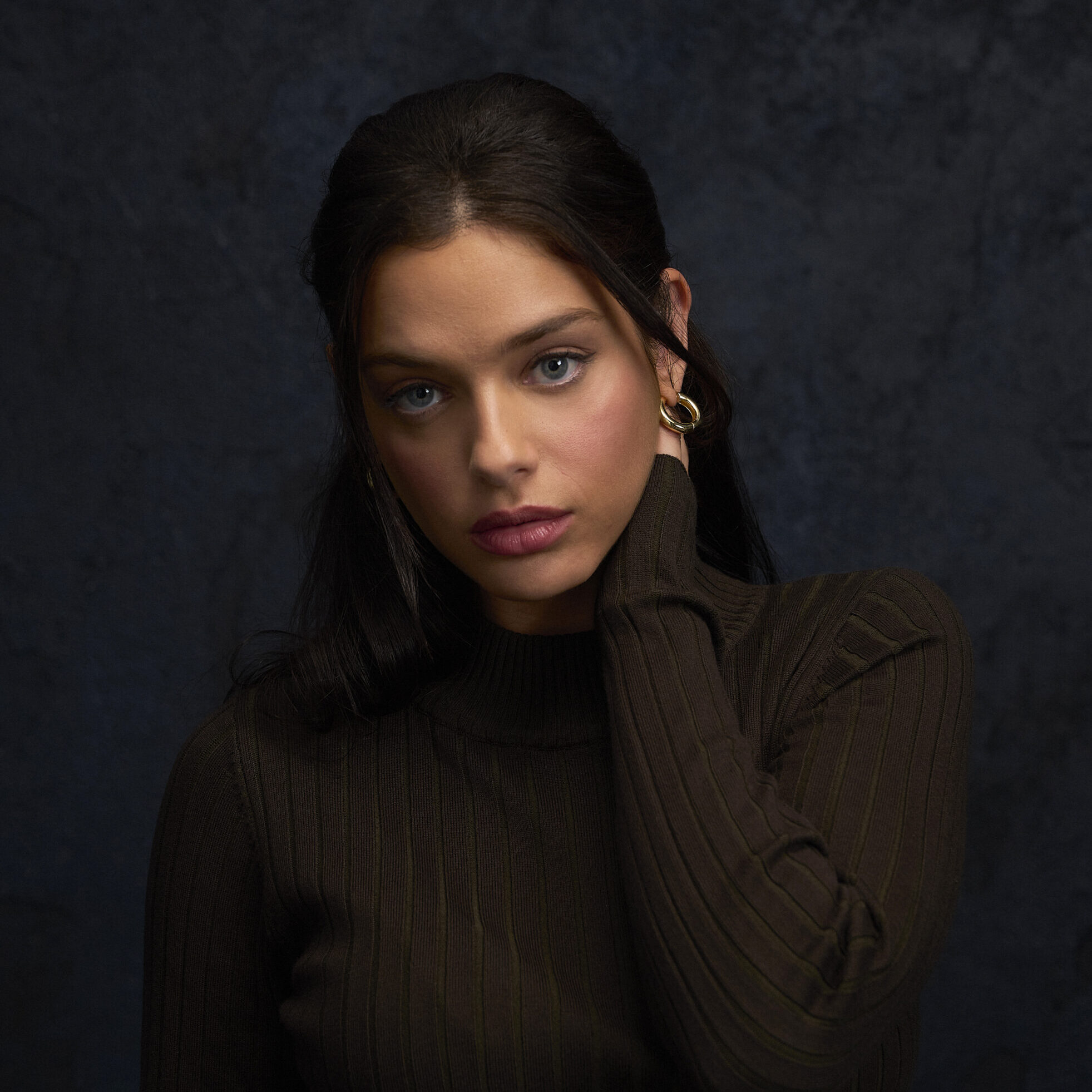
Odeya Rush poses for a portrait in a studio
Odeya Rush. Image courtesy of Jason Bell/Fox.

Odeya Rush’s first role was on a Little House on the Prairie book cover, and her latest is on primetime TV opposite Patrick Dempsey. Somewhere in between those two moments, she built a career defined by its range, moving seamlessly between indie standouts like Lady Bird (she played the high school’s queen bee) and studio bets like the Jennifer Aniston-led Dumplin’ (in which she played the aspiring beauty queen’s best friend). “I’m not even looking at genre, more the package of the whole movie,” Rush tells her friend and former co-star Isabela Merced, who’s been on her own run recently in Superman, The Last of Us, and Alien: Romulus. (The two met on the set of 2019’s Netflix movie Let It Snow.) “If I trust the people I’m working with, then I feel like I can bring my best self to the role,” Rush says.

In Fox’s Memory of a Killer, Rush plays the daughter of a salesman by day and hit man by night who is struggling with Alzheimer’s. Spending a season opposite Dempsey gave Rush an opportunity to witness a masterclass from one of TV’s leading men and to explore a new facet of her wide-ranging interests. Here, she describes her co-star in all his “fatherly” charm and she and Merced reflect on the parallel inflection points in their careers.

Isabela Merced: You’ve worked across so many different kinds of projects—from The Giver and Lady Bird to comedies like Dumplin’—and now you’re stepping into a TV crime drama with Memory of a Killer. What excited you about entering that darker, more psychological world?

Odeya Rush: Honestly, for me it’s not even a genre thing. I read the pilot, and I thought it was so sick. I know something’s good when I eat it up really quickly. I like the whodunit of it all. I love shows like The White Lotus, Knives Out, or 13 Reasons Why because I was asking, “Who did it?”

Merced: If you were offered both a comedy and something really dark, which would you lean toward?

Rush: I just did the movie Goodbye Girl. I didn’t have a massive part in it, but all of my scenes were really comedic, and I walked away thinking that this is so fun for me. There’s something a little scarier about comedy. You’re either funny or you’re not funny. You either make people laugh or you didn’t make people laugh, and that’s an immediate reaction. You have to be super vulnerable. Recently I’ve mainly done dramas, so if it was the right one, I would love to do a comedy right now.

Merced: Tell us about acting opposite Patrick Dempsey. What has it been like building a new dynamic with him, especially in the charged world of the show?

Rush: He was very fatherly, I think because his kids are so important to him. He’s an amazing father. I met his son Darby when he came to set. Our connection as father and daughter onscreen felt really natural and warm. It never felt like something that needed to be manufactured. He even gave me advice on things and was really caring. He feels very comfortable taking that leadership position. He just cares so much.
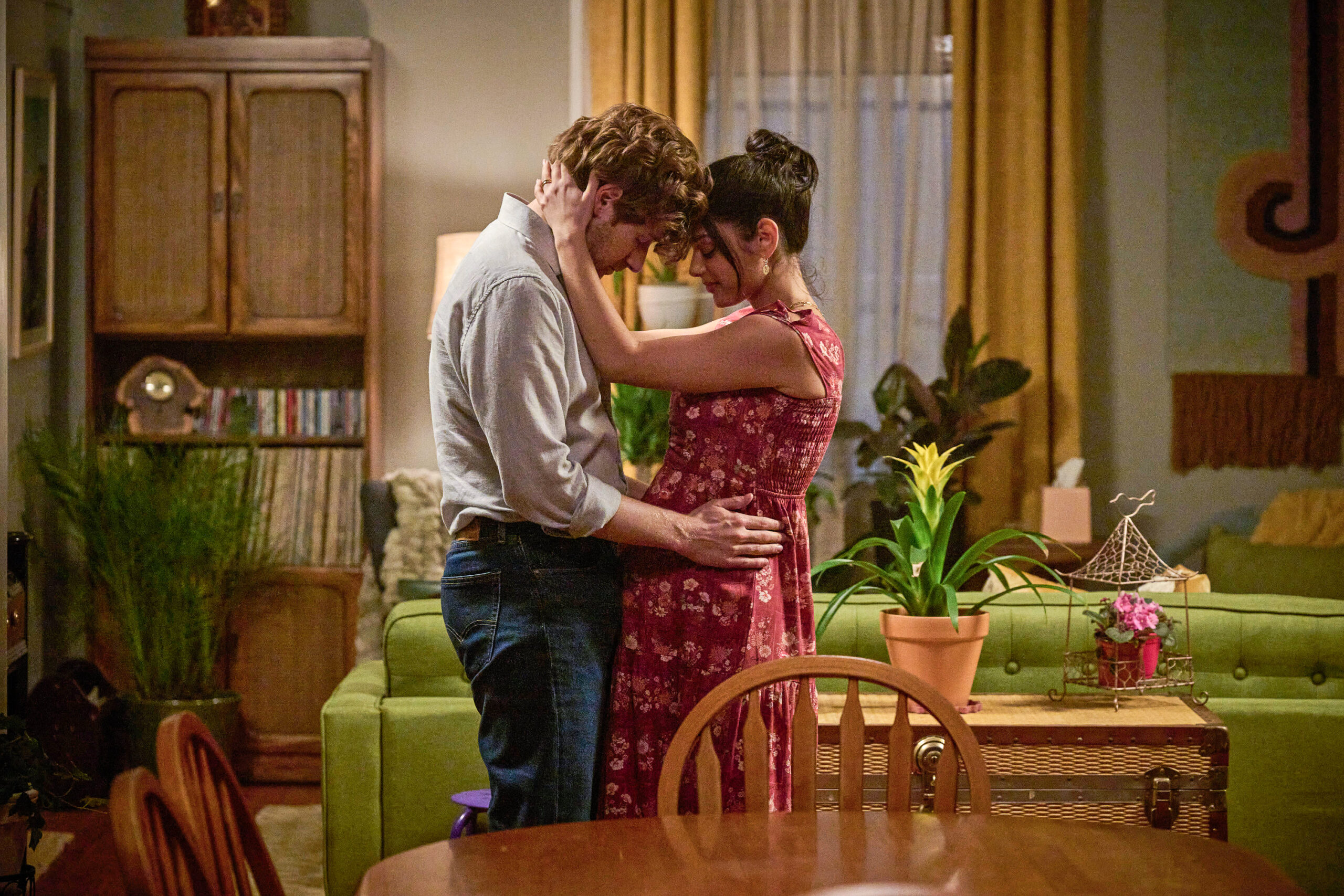
Daniel David Stewart and Odeya Rush on set for the TV show Memory of a Killer
Daniel David Stewart and Odeya Rush in Memory of a Killer. Image courtesy of Jan Thijs/Fox.

Merced: Your upcoming projects span a diverse range of genres. There’s the horror satire of Corporate Retreat and the rom-com world of Goodbye Girl. Do you consciously look for roles that let you shift tones in new ways?

Rush: Corporate Retreat covered so many genres. There were a lot of really funny moments. We had such a good ensemble with Sasha Lane, Ashton Sanders, and Kirby Johnson. Then on Goodbye Girl, my scenes were with Kiernan Shipka—shout out. But for me, I’m looking at the whole package of the project I’m doing. In order to feel safe, as a very absorbent actor, if I trust the people I’m working with, then I feel like I bring my best self to the role. And I feel like I can play a lot more. 

Merced: You’ve worked with a variety of notable ensembles across your projects. What do you enjoy most about working in a collaborative cast environment?

Rush: I really felt this on Corporate Retreat and Goodbye Girl. One of the things I love most about working on movies is that it feels like camp a lot of the time. I love all the in-between stuff, you know? Like on Corporate Retreat, the last week, we had night shoots, and everybody came into my room. We’d all hang out there between setups. I remember at one point, I think this was just me actually, I’m jumping on the bed. We’re eating candy together, we’re sharing stories, we’re talking about dating. It’s like summer camp, where you know these people for a month but suddenly you’re sharing such personal information with them because we bonded so quickly. You bond over the hard stuff, you bond over the fun stuff. And then with Goodbye Girl, it was really sweet—the amount of going out that the cast did in New Orleans. We went to karaoke, we went to dinners, and I hadn’t been there for too long, but they’re like, “We do this every weekend.” And not just with the cast, but with the crew. I got to see the script supervisor deliver an amazing rap doing karaoke, and everyone hyping him up. 

Merced: Yeah, it’s really sweet. That’s how we met too, in an ensemble cast.

Rush: Yes, and we bonded really quickly!

Merced: I don’t usually expect actors to stay in touch, because it’s hard to tell if they’re genuinely trying to build a long-term connection or just developing on-set chemistry for the role. Out of a large cast, there’s usually only one person who stays in your life like that—and I’m really glad it was you. You started acting quite young and have essentially grown up in this industry. How has your relationship to your craft changed over the years?

Rush: We were talking about this yesterday, actually, because I was feeling quite stressed about work. I’ve always really valued my work—it’s been at the top of my priorities for most of my life. But over time, whether it’s age or simply being in the industry for so long, I’ve started to shift things a bit. The moment I began to loosen my grip and prioritize more personal aspects of my life—my health, my friendships, my dog, my family—I noticed something interesting: I actually started receiving more work opportunities.

When I have a task, I tend to approach it immediately, especially with work. But at a certain point, I realized I had tied a lot of my self-worth to it. If I was working more, I felt more confident. I think I was searching for a sense of purpose through it. Now, as I get older, I’m prioritizing relationships more. I want to build a family, and I know that will take precedence. So I feel like I’m in a much healthier place in my relationship to both myself and my craft.
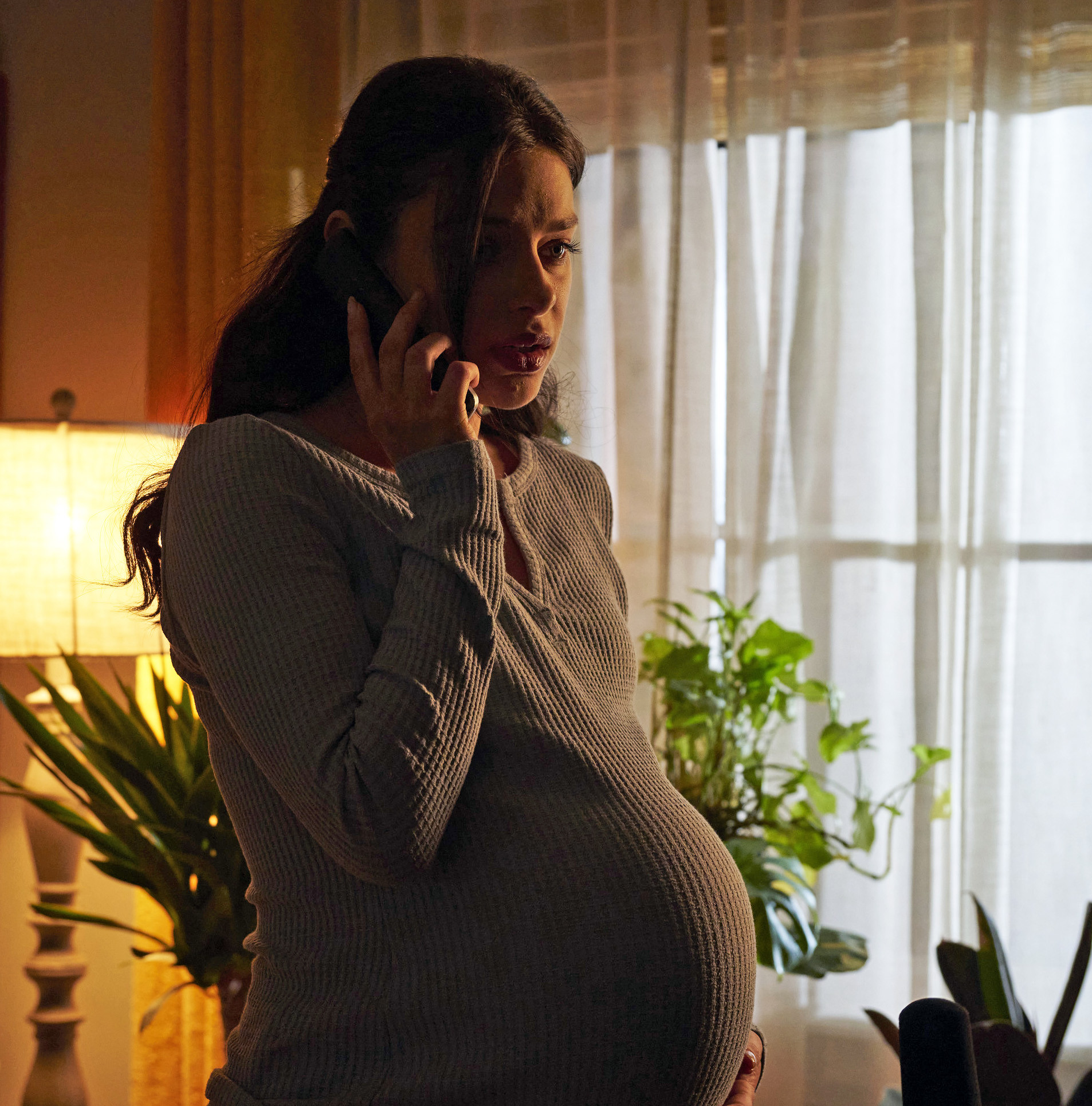
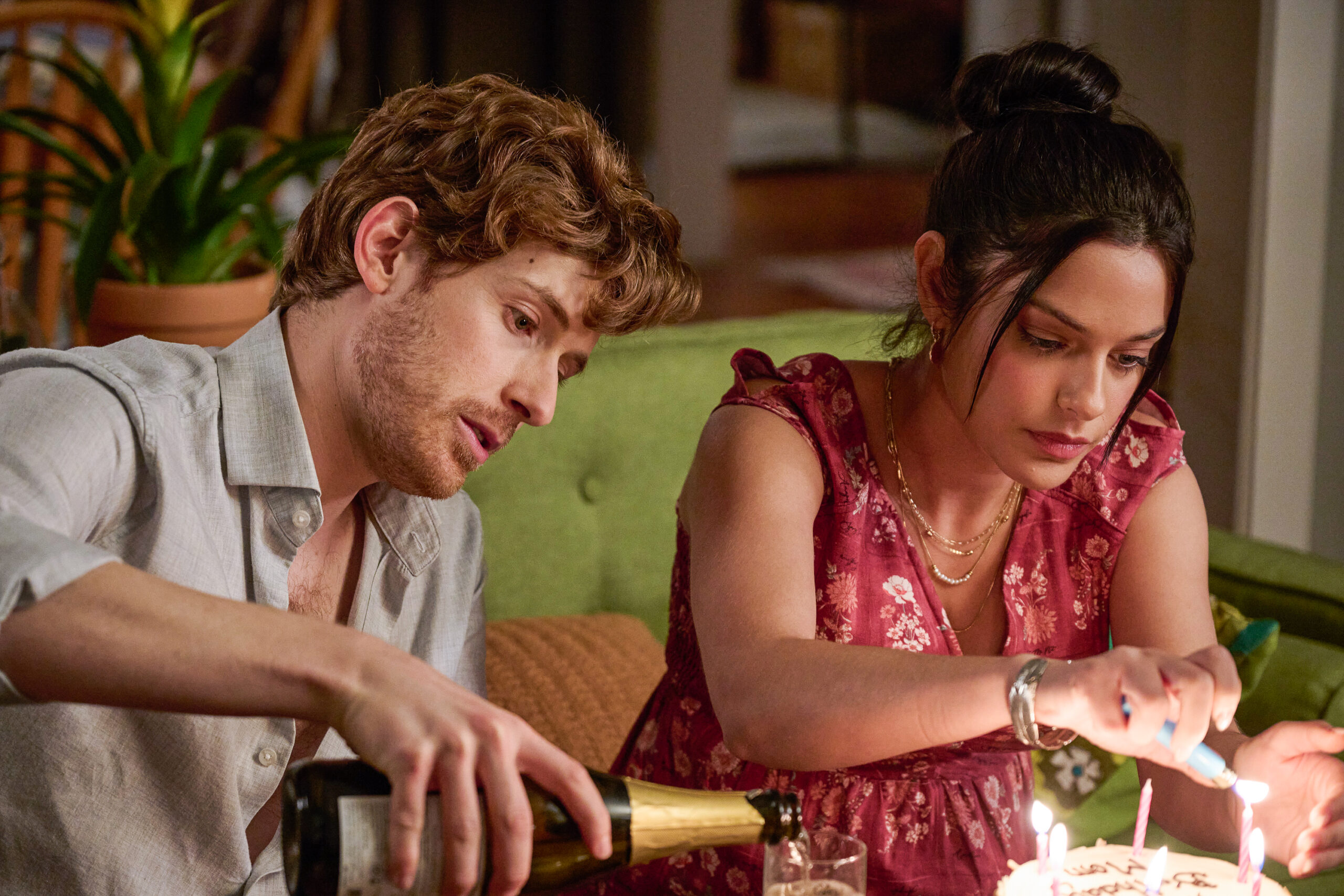
Odeya Rush on set for the Memory of a Killer TV show
Odeya Rush in Memory of a Killer. Image courtesy of Christos Kalohoridis/Fox.

Merced: You started with The Larry David Show when you were really young. How old were you?

Rush: I was 13.

Merced: So it’s been over a decade, about 15 years. Why did you start acting back then?

Rush: As a kid, it was really just a hobby. I used to write plays at home. I have four younger brothers, and before they had much of a say, I would dress them up and cast them in my plays. I did theater at school too. It was just something I naturally gravitated toward. I never really thought it would become a career. It felt like a distant dream.

Professionally, it started in a more unexpected way. I began as a child model because a family friend offered to take photos and send them to an agency. This was at an outdoor mall—it was all very casual and, in hindsight, kind of surreal. The agency eventually called us about a project related to Little House on the Prairie. I thought I was auditioning for the show, so I prepared by watching it obsessively. When we arrived, we realized it was actually for the book covers. I remember bringing the books to school and proudly telling everyone I was on a Little House on the Prairie cover. I felt like my dreams were coming true!

That’s essentially how it started. Things moved quickly from there, though I was still in school until I was 17. I grew up in New Jersey and attended public school, so I didn’t feel fully immersed in the industry in the way people might assume. I wasn’t going to events or living in that world full-time. I was able to balance a normal school life with occasional projects, which I think made the experience more grounded.

Merced: When you’re preparing for a role, what’s the first thing you try to unlock about a character? Is it the emotional core, the physicality, or the backstory?

Rush: The backstory is the most important to me. I try to read as much as possible and speak with the director or writers, because that context really forms the foundation of a character. I want to understand where they come from—what trauma they’ve experienced, how they grew up, and the relationships that shape them. For example, when working on Maria [in Memory of a Killer] and her relationship with Jeff [Daniel David Stewart], we sat down with the writers and asked questions like: When did they meet? Why are they together? What defines her relationships, especially with her father? For me, everything stems from that foundation.

Maria also lost her mother five years ago, and grief was something I hadn’t personally experienced in that way. It’s such an inevitable part of life, but not something I had deeply understood, especially in the context of losing a parent. I listened to a book about daughters who have lost their mothers, and spoke with my acting coach, Nancy Banks, who has experienced grief herself. I tried to gather as much perspective as possible—listening to women’s stories, doing research, and building Maria from a place of authenticity. Of course, there’s also a more immediate emotional access point—imagining something personal, like my own mother, can bring a very visceral response. But beyond that, I rely heavily on research and lived experiences from others to fully inhabit the character.

Merced: I’m curious—and I can answer too—who’s someone you really want to work with?

Rush: For me, it’s been the Safdie Brothers for a long time. I actually have a Good Time poster hanging in my kitchen. They’ve really created their own genre, and I remember the first time I saw that film—it completely shifted how I think about movies.

Merced: I tend to gravitate toward people I hear good things about. There are so many talented actors out there, but life’s too short to work with people who aren’t kind. Florence Pugh is someone I’d love to work with. I’ve heard she’s wonderful, and that she brings candy to set. That’s a plus. And Sarah Paulson—I’ve heard amazing things about her. She’s incredibly funny, and I love that she’s openly herself.

Daniel David Stewart and Odeya Rush on set for the TV show Memory of a Killer
Daniel David Stewart and Odeya Rush in Memory of a Killer. Image courtesy of Jan Thijs/Fox.

Rush: Ok, now I’d like to ask you a question. I know you’re always working on music on the side. What’s your favorite lyric that you’ve written recently?

Merced: I can’t think of a specific lyric off the top of my head—everything I write kind of just lives in my head—but I did recently write a song called “The Man Purse.” I love the concept. It’s basically this idea that women have purses, and some men have… women, in that same way. It’s about a certain type of man who almost prefers a “human purse” because he can’t actually handle a woman.

It looks at relationships where women are replaced constantly—like leather, and you just get a new one. It’s this cycle of avoiding being alone. And the women in those dynamics are almost complicit—they stay small, quiet, easy, so the man can feel more like a man. He’s like, “She’ll be fine with cheating, or avoidance.” They’re loyal… like a purse. They won’t leave. They’re comfortable.

Rush: Wow, okay, is it in Spanish or in English?

Merced: I actually don’t know—it’s interesting. I’ll write some bars in Spanish and some in English, and I’ll just be like, I don’t know what to do now because it sounds better in Spanish, but then I like some lines better in English. That’s why most of my music is bilingual.

Rush: So sick, you’re so smart.
Merced: Odeya, I know what you’re capable of—you’ve sent me your scripts, I’ve seen your directorial work. But I also know you’re focused on acting right now, so I’m curious: what are your ambitions at the moment? What lights a fire under your ass?

Rush: What I really want to do is something along the lines of what Margot Robbie is doing—taking scripts, finding creators, and amplifying women’s voices and different cultures. I love building teams. I love putting people together. I call it movie matchmaking. I think I’m actually better at selling a project than selling me. When it comes to something I believe in, I’m ruthless. I’m cocky about it. I can really convince people. I just love figuring it out.

More of our favorite stories from CULTURED

Legendary Art World Deviant Paul McCarthy on Santa Claus, Trauma, and the Rise of Fascism

Gabby Windey Shares Her Book Recommendations for the Manosphere and Depressed Women Everywhere

15 Collectors Offer Their Best Advice For Getting Started

Bryan Stevenson on What Social Justice Movements Can Learn From March Madness

A Guide to the Real-Life New York Restaurants Where Characters Eat on TV

Sign up for our newsletter here to get these stories direct to your inbox.

You’ve reached your limit.

Sign up for a digital subscription, starting at less than $3 a week.

Already a Subscriber? Sign in Here

You’ve almost hit your limit.

You’re approaching your limit of complimentary articles. For expanded access, become a digital subscriber for less than $3 a week.

You’re approaching your limit of complementary articles. For expanded access, become a digital subscriber for less than $2 a week.

Already a Subscriber? Sign in Here

You’re approaching your limit of complementary articles. For expanded access, become a digital subscriber for less than $2 a week.

GET ACCESS

Already a Subscriber? Sign in Here

Want more in your life?

For less than the price of a cocktail, you can help independent journalism thrive.

Conner Storrie standing on a street
Already a Subscriber? Sign in Here
Conner Storrie standing on a street

Already a Subscriber? Sign in Here

Want more in your life?

For less than the price of a cocktail, you can help independent journalism thrive.

Conner Storrie standing on a street
Already a Subscriber? Sign in Here
Conner Storrie standing on a street

Already a Subscriber? Sign in Here

You’ve almost hit your limit.

You’re approaching your limit of complimentary articles. For expanded access, become a digital subscriber for less than $3 a week.

You’re approaching your limit of complementary articles. For expanded access, become a digital subscriber for less than $2 a week.
Already a Subscriber? Sign in Here
You’re approaching your limit of complementary articles. For expanded access, become a digital subscriber for less than $2 a week.

Already a Subscriber? Sign in Here

Want more in your life?

For less than the price of a cocktail, you can help independent journalism thrive.

Conner Storrie standing on a street

Already a Subscriber? Sign in Here

Conner Storrie standing on a street

Already a Subscriber? Sign in Here

Want a seat at the table? To continue reading this article, sign up today.

Support independent criticism for $10/month (or just $110/year).

Already a subscriber? Log in.