Remember when the Internet used to be fun? When artists had access to communities of other creatives, inspiration seemed limitless, and no one was passing around uncredited images of work? Now, in the age of A.I. slop and endless scrolls, the Tumblr and MySpace era, when platforms were customizable and fun, seems almost quaint.
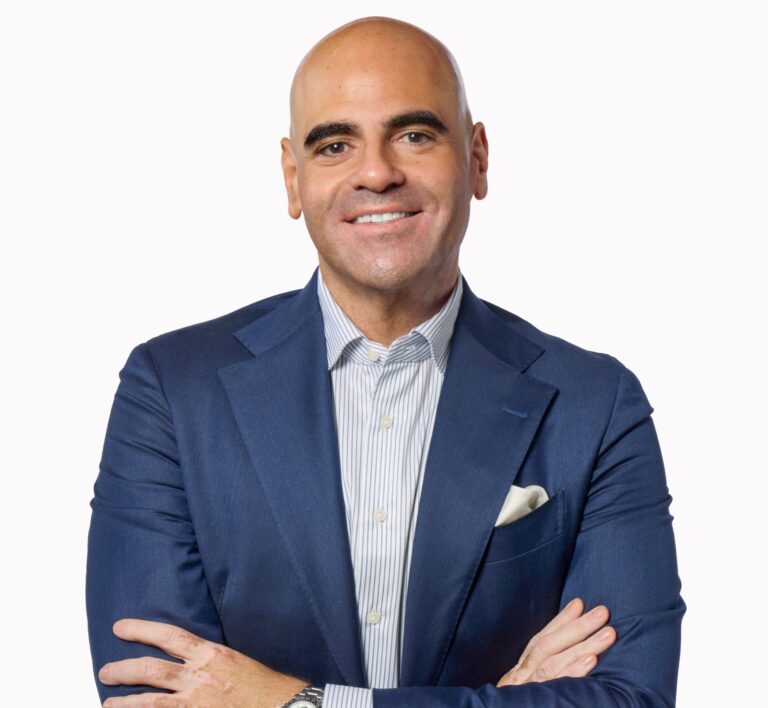
Tech entrepreneur Andy McCune wants to change all that. He created Cosmos, a digital platform tailored specifically for artists and creatives who are tired of social media companies burying their work and flooding their feeds with a constant churn of ads. The platform started in 2021, after McCune sold his former company, Unfold, to Squarespace, as something of a Pinterest alternative with tools to find visual inspiration and build mood boards, catering to creative directors, stylists, and graphic designers.
The website and app was a hit. After Cosmos publicly launched last summer, it was named one of Apple’s 25 apps of 2025. But McCune saw a bigger need. Creators and curators are the beating heart of the Internet, and yet, they’re often shunted to the side by big social media companies. So Cosmos began to evolve to address their needs. One of its big developments? Implementing new tools that make sure images always properly credit the artist as they move across the platform. For anyone who has had their work posed without credit (or, worse, ripped off by a company) it makes all the difference.
The platform has also gotten more collaborative. Users can work together on mood boards and share them to other platforms like Instagram. For those that are frustrated with garish, weird, and upsetting A.I. content that seems to be everywhere these days, all A.I.-generated work can be blocked from appearing on the feed.
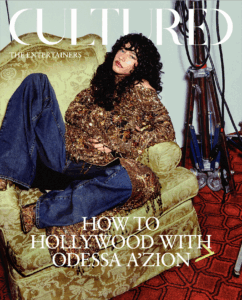
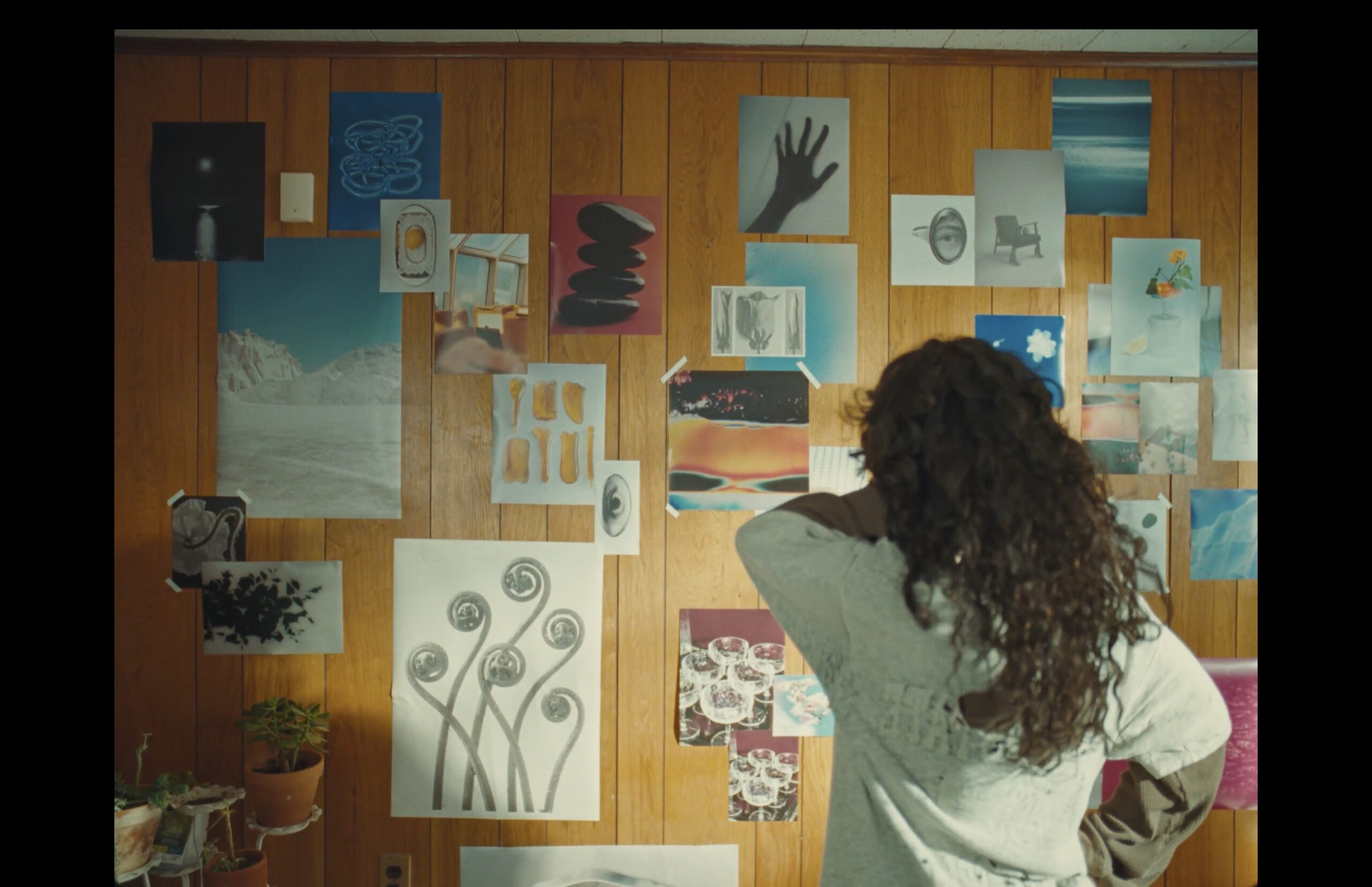
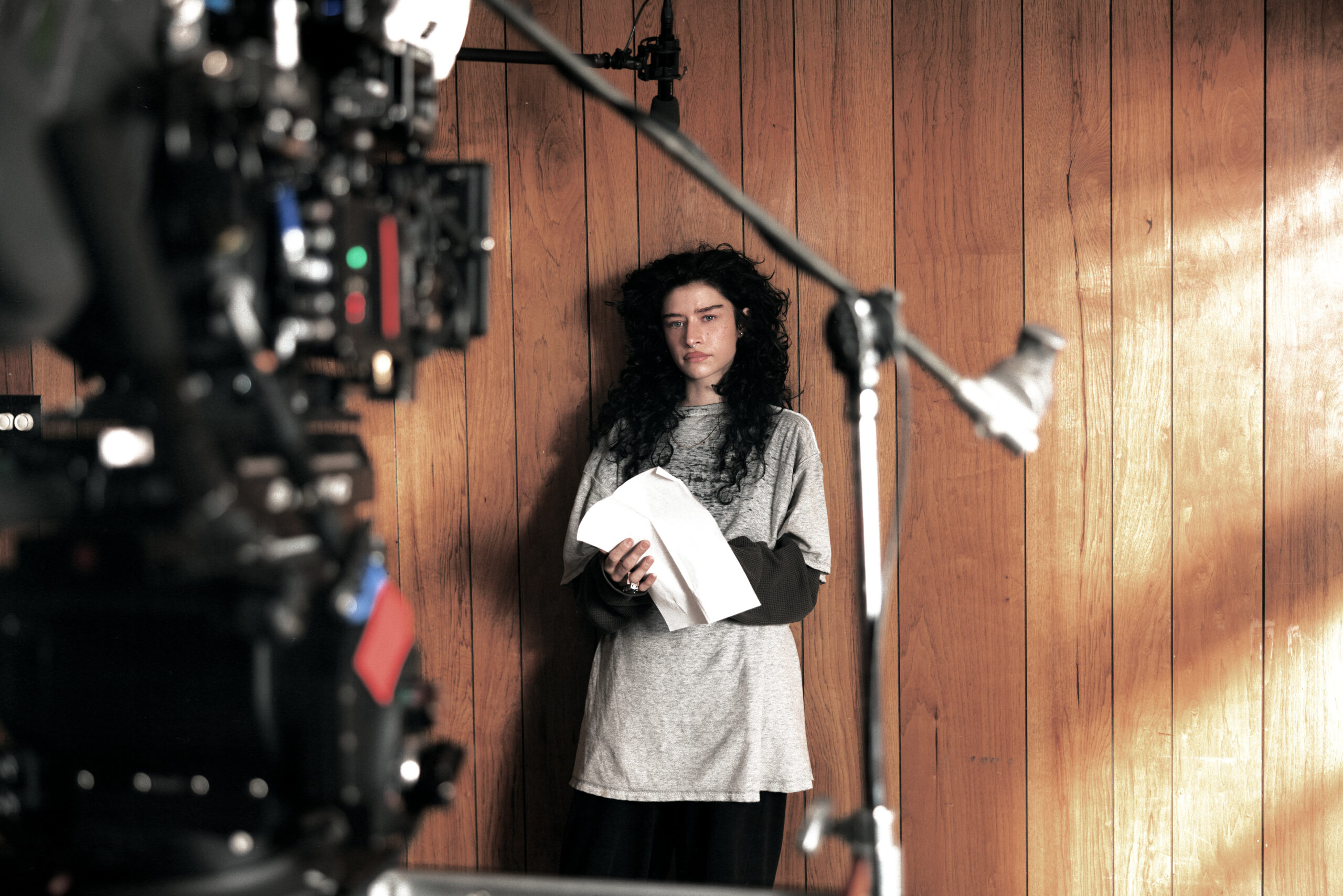
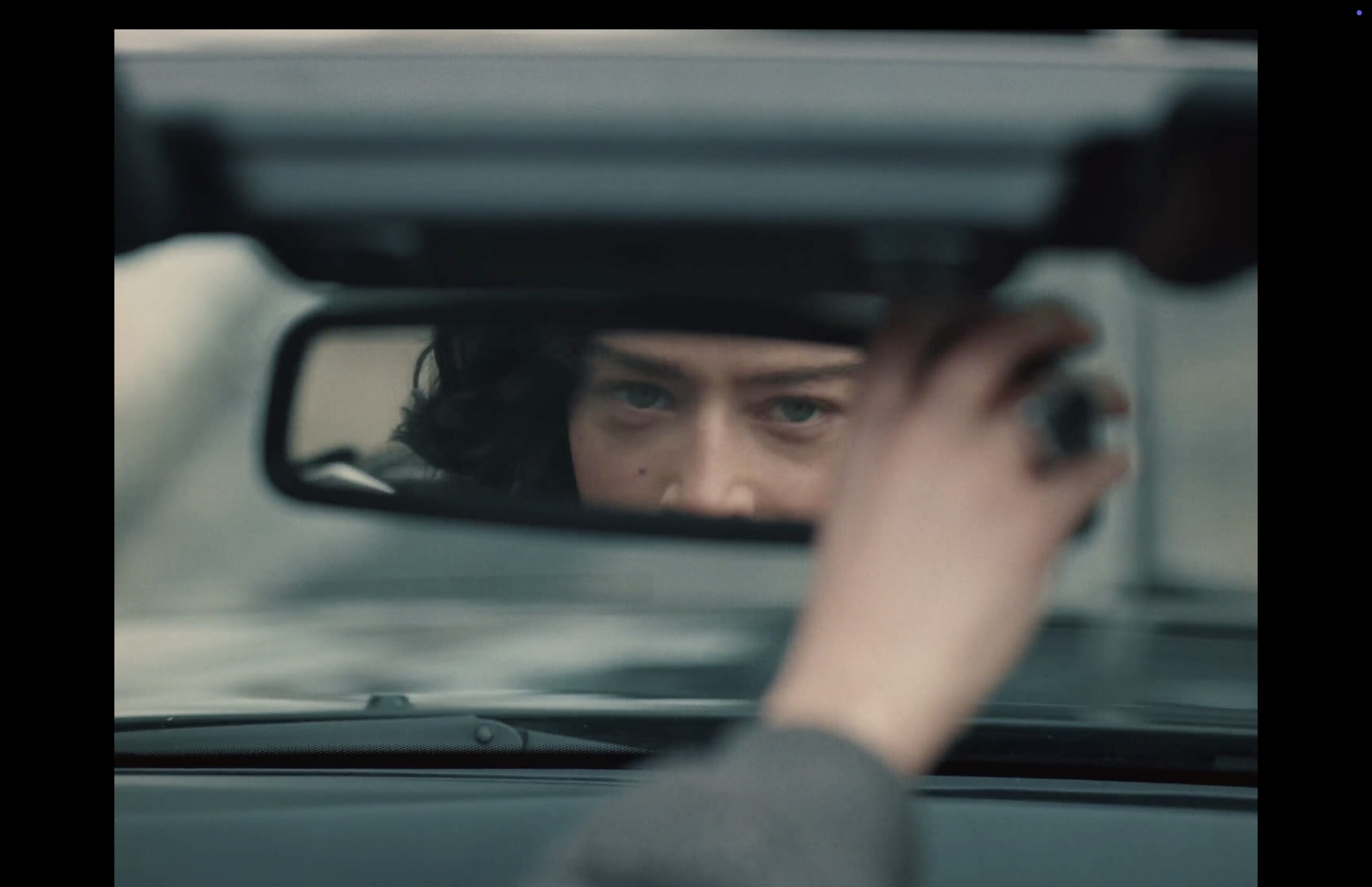
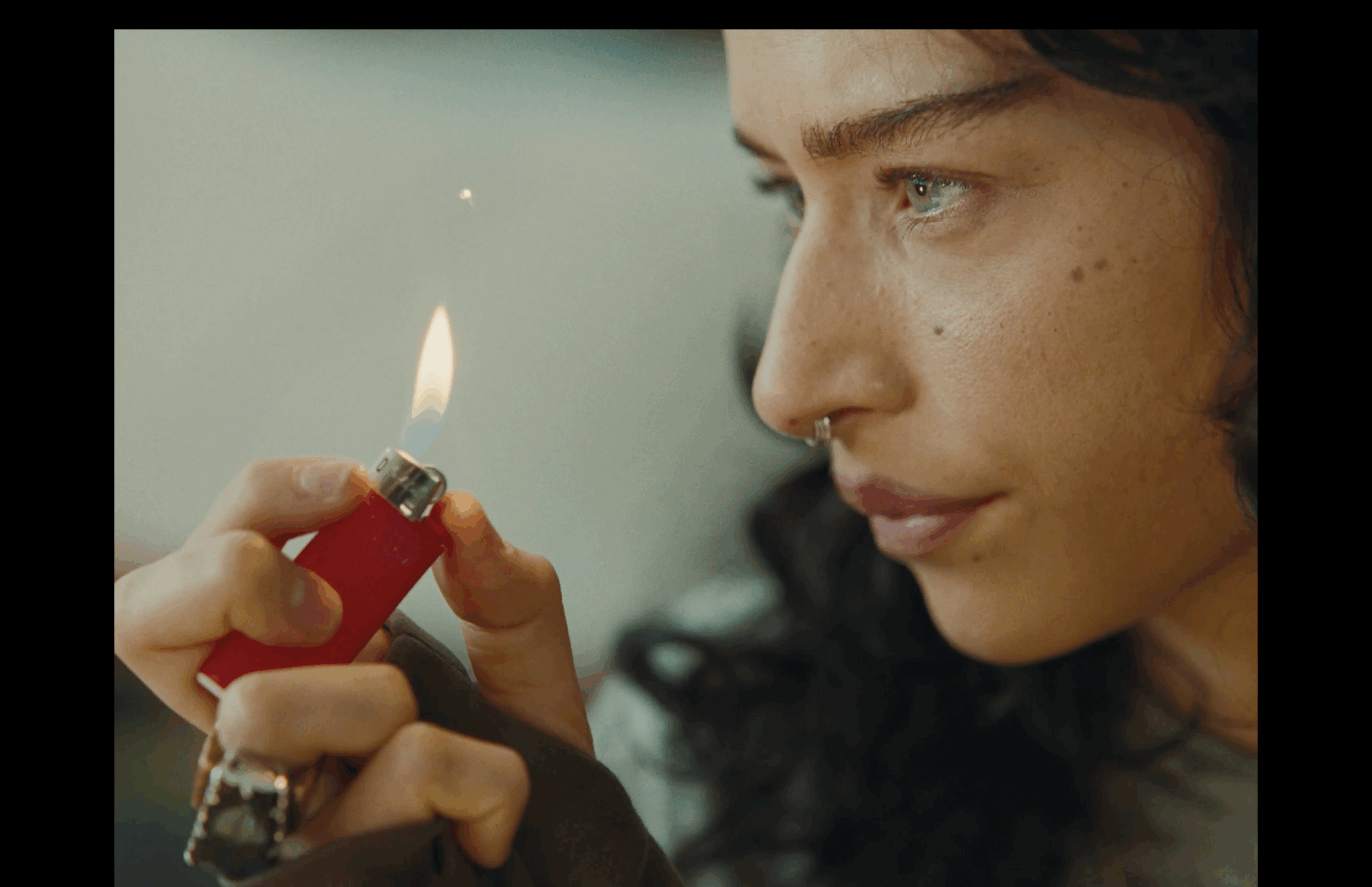
To celebrate the rollout of the next phase of Cosmos, the team tapped director Aidan Cullen for a short film starring Odessa A’zion. Below, see an exclusive preview of the film and a conversation with Cosmos founder Andy McCune about the future of visual culture online.
Tell me where the idea for the platform came from.
Cosmos came from a frustration I think a lot of creatives share, spending hours collecting references and inspiration online, but losing the context behind them. You’d save an image but not know who made it, where it came from, or how to find your way back to that world again.
After leaving Squarespace and returning to more personal creative work—designing spaces, building a furniture gallery, developing a hospitality concept—I felt that fragmentation even more. My references were scattered across Instagram saves, screenshots, and camera rolls. Nothing lived together, nothing had context, and nothing felt intentional. Cosmos started as a way to bring clarity and cohesion to that process, a place where images could live with their full story intact.
How did you get started developing Cosmos?
It started as a side project I built with Luca Marra, initially just a tool for ourselves. I wanted a living archive for my visual brain, where I could save anything from anywhere and actually trust.
We began by building something intuitive and visually driven, almost like thinking in images instead of text. When I started sharing it with other creatives, the response made it clear this wasn’t just a personal problem; it was something a lot of people were missing.
What kinds of older websites or experiences inspired you?
There’s definitely a sense of early Internet nostalgia baked into Cosmos. Platforms like Pinterest and early Tumblr had a feeling of exploration of falling into a visual rabbit hole without everything being optimized for output or engagement. We wanted to bring that back, but with more structure and intention, so you can wander and discover, but also retain context and build something meaningful from what you find.
One of the great struggles for artists and creatives on social media platforms is not receiving proper credit. How are you trying to combat that?
That’s a core problem we’re trying to solve. On most platforms, images circulate without context or attribution, and over time that disconnect compounds. On Cosmos, every image is treated as something that should have a clear origin. We use A.I. to research the images on our platform, identifying who made the work, where it came from, what’s in it, and then allow the community to refine that information over time. The goal is to make attribution the default, not the exception, and to rebuild a system where creators are properly connected to their work.
Many artists and users still feel hesitant about A.I. How are you addressing creatives’ concerns?
A lot of that hesitation is valid as it comes from seeing A.I. used in ways that extract from creatives without giving anything back. We’re very intentional about using A.I. differently. It’s not there to generate content but instead to provide clarity. It helps with context and discovery, so people can better understand what they’re looking at. We also give users control, including the ability to filter out A.I.-generated imagery entirely.
Why is a platform like this relevant for artists and the art world at large?
There’s an overwhelming amount of visual content online but very little infrastructure around understanding it. Images move quickly, lose their credit, and often become disconnected from their creator and origin. For artists and creatives, being able to trace references, understand lineage, and build taste is essential. Cosmos creates a space where that process is more intentional and more transparent. It’s not just about saving images, but rather building a visual language over time. We believe taste is a practice, something you develop. Cosmos is designed to support that evolution, and to give people a place where inspiration can actually take root and lead to something new.
Can you talk a little about the short film you made? What was it like working with Odessa?
The film started with a manifesto we had written, which we then turned into a script. The story we wanted to tell is that an image holds the power to show you an idea, a future, a version of yourself you didn’t know existed. Images give a vision roots. They’re a form of permission, and a form of proof. The words started as a reflection on that, and nostalgia for a time on the internet that we can all remember where everything felt inspirational, creative, and free. That feeling has gotten a little lost, and we’re trying to help people return to it—to give them a space to dream.
We were introduced to Odessa through Aidan Cullen, who directed the film. They’re close friends, so it came together in a very organic way. There’s a rawness and an honesty to the way she approaches life that felt very natural for what we were making.



 in your life?