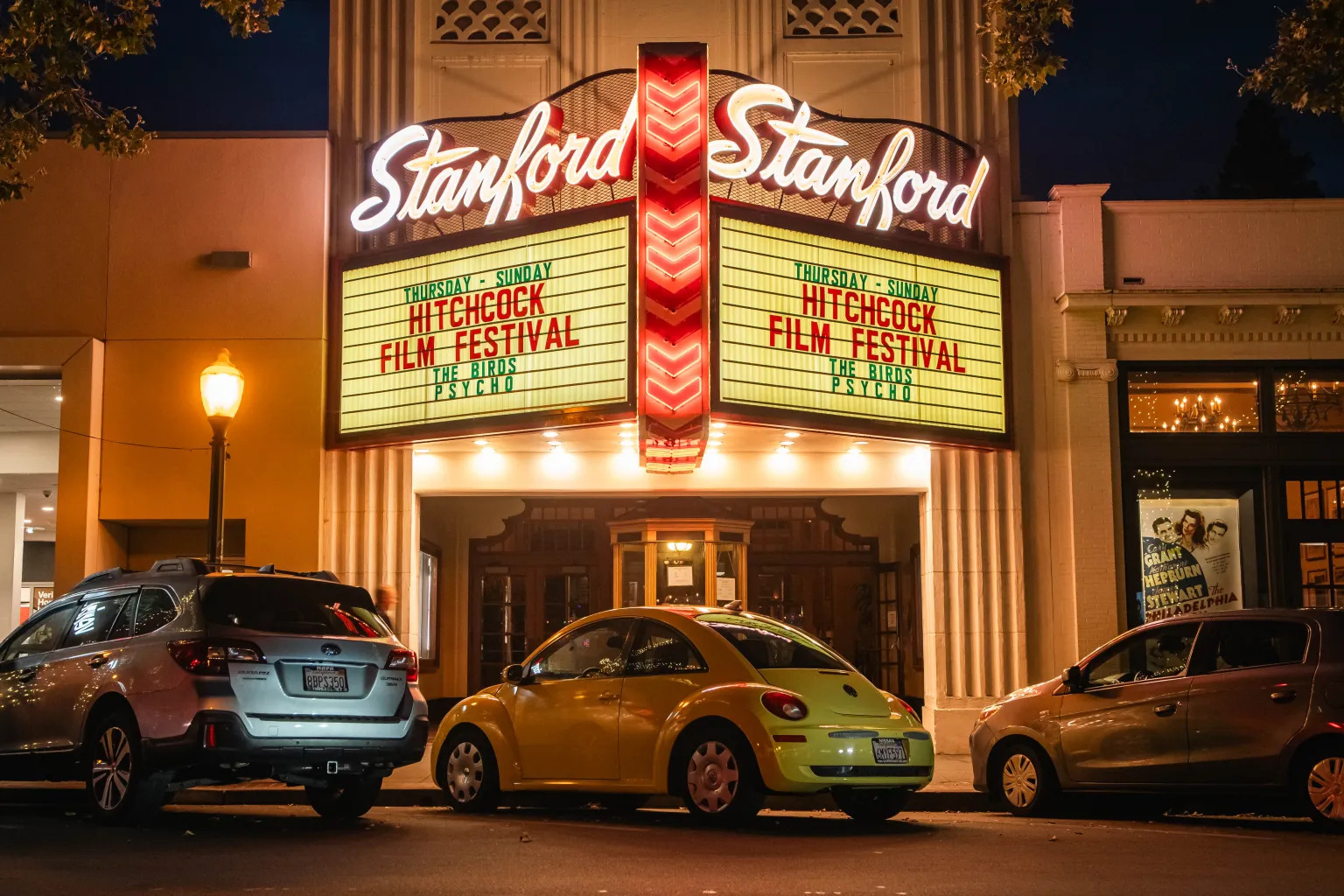
I grew up just a few blocks away from the Stanford Theater, a 1920s art house cinema in Palo Alto. A large popcorn was $3 and tickets weren’t much more (to this day, an adult ticket goes for $7). The films they screened were largely black-and-white. What the Stanford was really known for was the Wurlitzer organ that played before and after shows—and sometimes during, in the case of silent ones. As the child of a single mom, I grew to know the Stanford Theater as cheap and easy way not only to fill a weekday night, but to make it feel magical.
It’s no secret that ever since Covid, movie theaters have been struggling. Attendance has never really rallied. Studios are releasing films for shorter and shorter stints before dumping them online—if they bother to show them theatrically at all. Thanks to curated platforms like Criterion Channel, MUBI, and Kanopy, rare films that could only be seen at repertory screenings are now available from your couch.
With the prospect on the horizon of Netflix acquiring one of the last great American movie studios, Warner Bros., the whole prospect of seeing movies on a big screen, in a dark room, next to strangers laughing, shrieking, and weeping in real time seems more imperiled than ever.
But it’s not all bad news. For the people who love movies—filmmakers, critics, programmers, and other celluloid addicts who obsessively update their Letterboxd—art house cinemas remain the beating heart of the film industry. Because many of them, including the Stanford Theater, are nonprofits, they’re somewhat shielded from the commercial forces that threaten multiplexes. There’s still space for midnight movies, repertory screenings, and archival restoration—you just need to know where to look. That’s why we asked 18 of our favorite cinéastes to share their favorite independent theaters around the globe.
Sean Baker, filmmaker
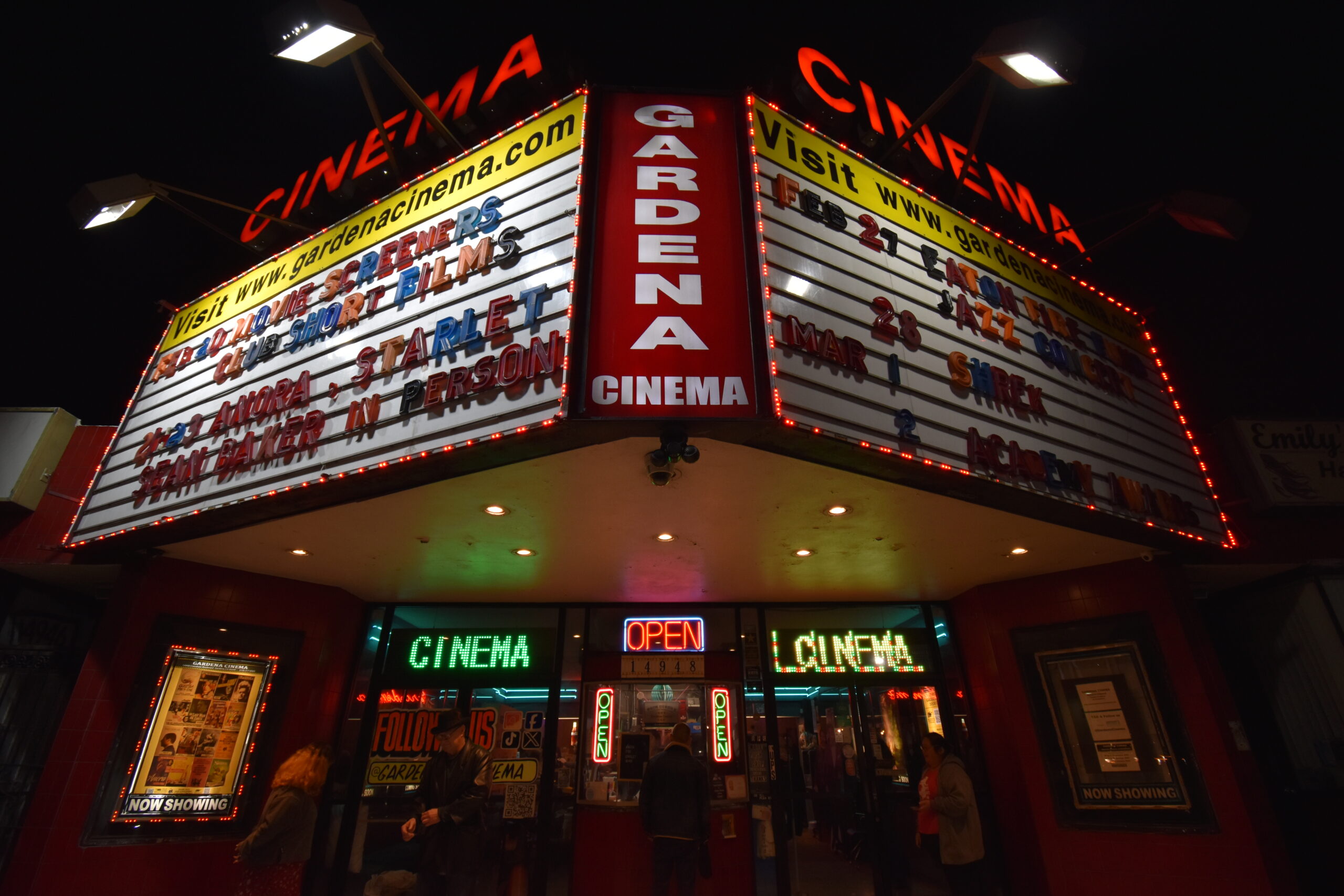
Theater: Gardena Cinema in Gardena, California
Why It’s Worth a Look: It represents everything I love about theatrical moviegoing. Dating back to the 1940s, it’s nearly 80 years old and stands as a rare survivor of another era. It’s a single-screen cinema run by Judy Kim, who inherited the theater from her parents and continues to care for it with incredible dedication. Today, it remains the most well-preserved single-screen, family-owned cinema in Southern California. The programming is personal and adventurous, and every screening feels like an event.
Favorite Movie Memory: In early 2025, Neon had a sold-out screening of Anora there that meant a great deal to me. All proceeds went directly to supporting the theater.
Hillary Weston, director of social media at the Criterion Collection
Theater: Film Forum in New York
Why It’s Worth a Look: Film Forum has been a New York institution and essential part of cinema culture since the ’70s, but it’s one of the rare places in the city that feels untouched by time. It’s an intimate space, and for me, has always been a perfect place to duck into for a weekend afternoon or late night afterwork screening. I can trust that there will always be something I’m eager to see, whether watching a film for the first time or catching a 35mm print of an old favorite.
Favorite Movie Memory: I’ve fallen in love with so many films there, but one screening that’s particularly memorable is watching David Lynch’s Wild at Heart on the big screen for the first time on a beautifully crackling print. The film was brought to life in ways I hadn’t experienced in my many prior viewings. It was a cold November night, but I was immediately lost in the heat of Lynch’s world and the room felt electric.
Griffin Dunne, filmmaker and actor
Theater: There is an art house in Rhinebeck, New York called Upstate Films that was started in the mid-1970s by serious cinéastes and carries on the tradition of supporting independent filmmakers and repertory programing of old movies.
Why It’s Worth a Look: Upstate Films is a sentimental favorite because I was once invited to show the first movie I directed called Addicted to Love. I’d never been to Rhinebeck before and loved the town so much I bought a house a week after the screening and have lived there for the past 23 years. I’m now on the board of this non-profit, and donations are appreciated.
Favorite Movie Memory: Not a happy memory: I had discovered a band called DeVotchKa and planned to hire them to score my first film. While watching Little Miss Sunshine at Upstate, I heard the first bars of the same song I had planned to open my movie with and was so upset I released a sound of such despair that people around me thought I was dying.
Robyn Citizen, Director of Programming & Platform Lead at the Toronto International Film Festival
Theater: I have to start at home in Toronto with the TIFF Lightbox—it’s where I work—but I would still be there enjoying the pristine presentation and programming even if I didn’t. That said, the other theater I want to shout out is Highlands Cinema and Museum in Kinmount, Ontario.
Why It’s Worth a Look: I visited Highlands for the first time last October to meet a friend there. I definitely wondered during the two-plus-hour drive if this was reasonable to see a film, but the moment I turned off the highway into this hideaway, I understood. The theaters are gorgeously themed Art Deco with jewel-toned plush seats. You enter through a museum that is a labyrinth of antique projectors, film memorabilia, old posters, and somehow also a sanctuary for a colony of 60 cats.
Favorite Movie Memory: I was there to see One Battle After Another, and between the lush, remote location—it really feels like the Narnia of cinemas—the cozy intimacy of the theater and the sprawling journey of the film, it was an immersive experience. Since Highlands is also only open May through October, the screening had that fleeting energy of catching the last show in a traveling carnival.
Bruce Goldstein, Founding Repertory Artistic Director at Film Forum and Founder/Co-President of Rialto Pictures
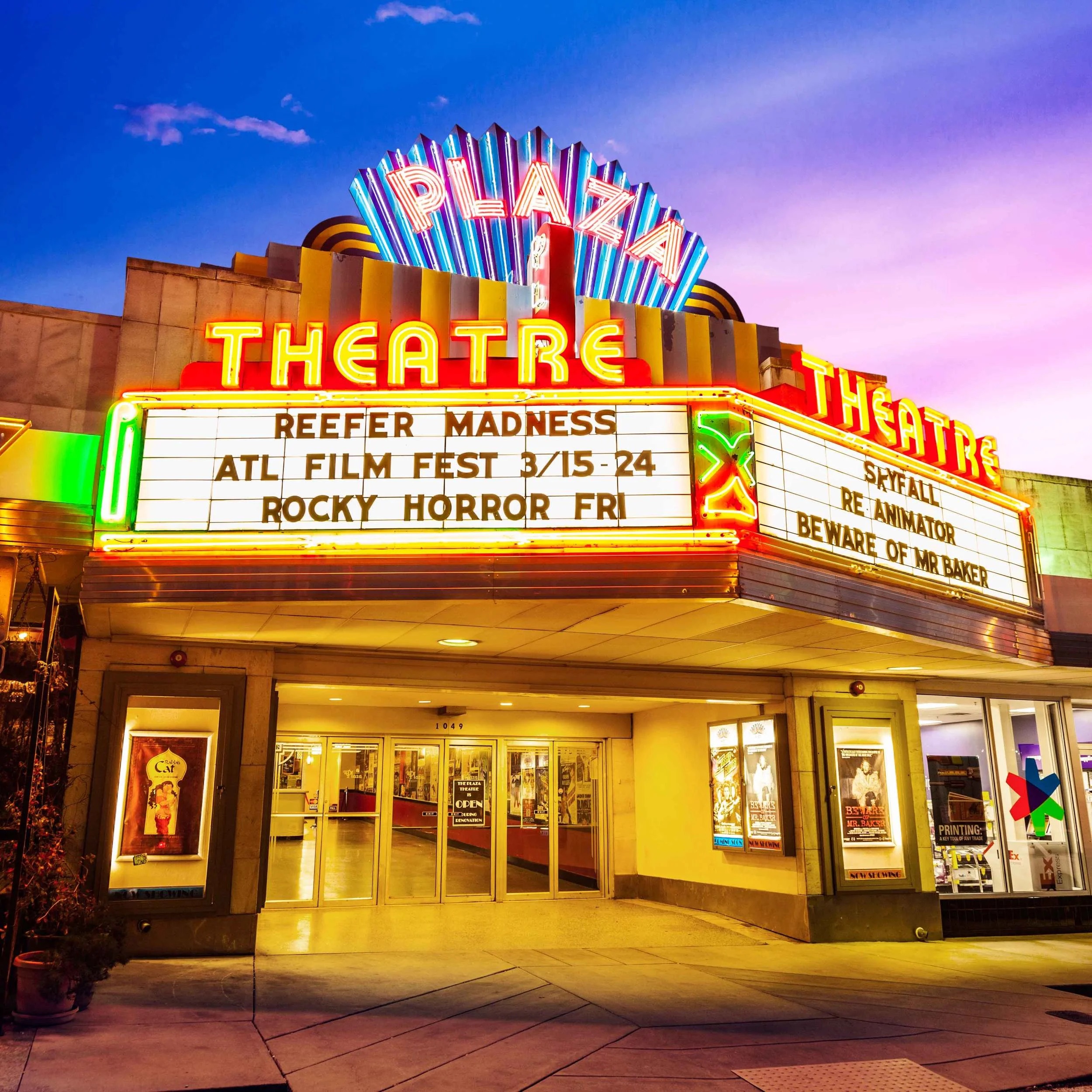
Theater: A few independent cinemas that stand out in my mind: Eagle Theatre in LA, aka Vidiots, a restored, brilliantly programmed 1929 movie house, complete with bar and amazing video store; The Plaza in Atlanta, Georgia, a 1939 movie house that has become one of the country’s best repertory cinemas in less than 10 years; the New Beverly in Hollywood, Quentin Tarantino’s re-creation of a ’70s-style revival house; the American Cinematheque’s Egyptian in Hollywood, gorgeously restored and perhaps the country’s best “presentation house”; The Carolina in Durham, North Carolina, a model for a specialized cinema in a midsize town; the Sag Harbor Cinema in eastern Long Island, a thoughtfully restored three-screen theater that offers its community both art house fare and Hollywood blockbusters; and Renew Theaters’ Ambler Theater, a restored 1928 movie theater that thrives in a suburb of Philadelphia.
Why It’s Worth a Look: Yes, all of the buildings are beautiful, but that’s not what makes these cinemas special. It’s the commitment, passion and creativity of the people who run them that give each one a unique personality and a soul—and the audiences that support them.
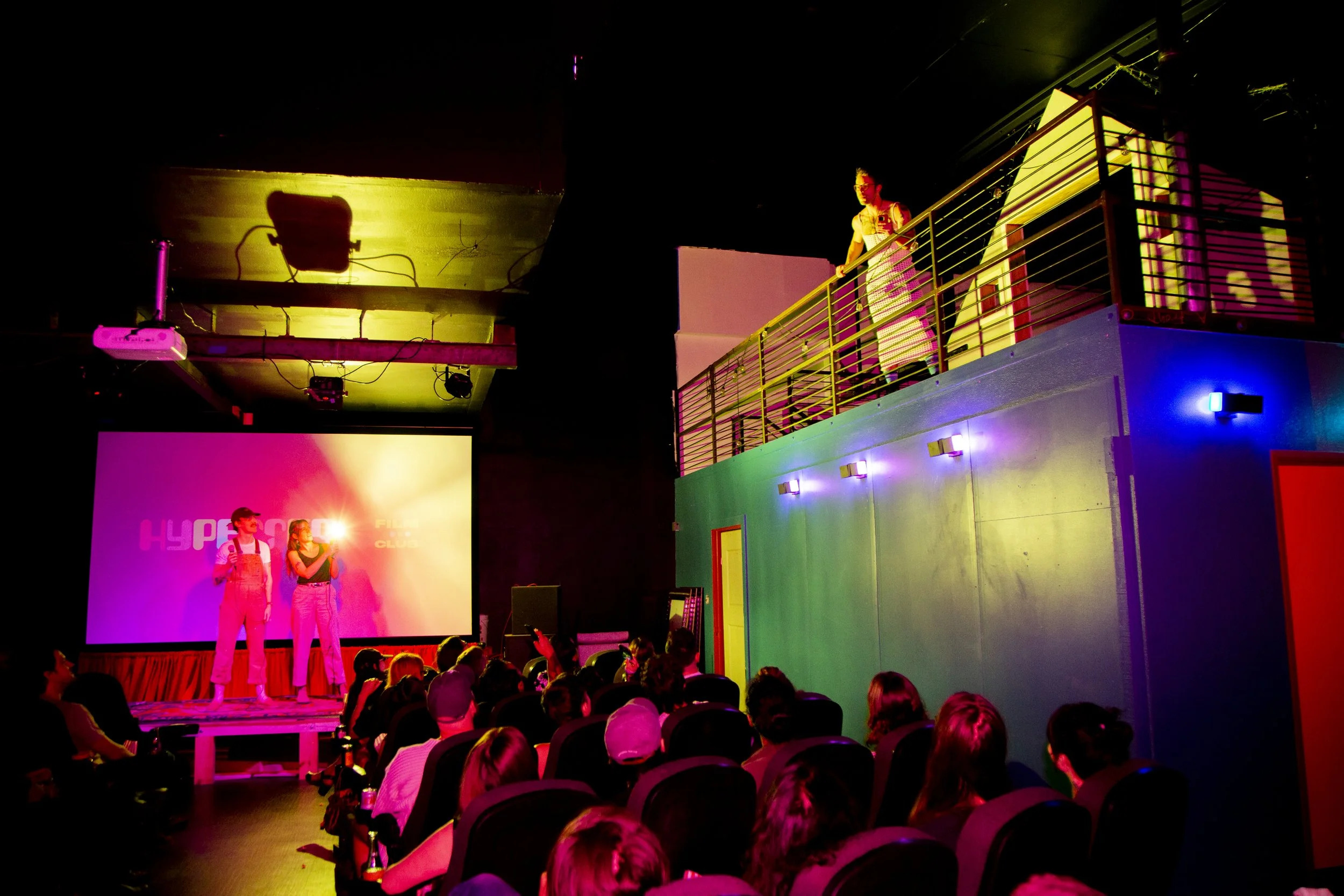
Jazmyne Moreno, film programmer at the Austin Film Society
Theater: Hyperreal Film Club and Austin Film Society in Austin, Texas
Why It’s Worth a Look: I’m lucky to live in Austin, a place with a thriving film community and a scene for just about every kind of movie lover you can imagine. It’s all built on a deeply DIY spirit, from the Richard Linklater-founded Austin Film Society (full disclosure: where I work) to the volunteer-run Hyperreal Film Club.
Favorite Movie Memory: I screened Pornostar (dir. Toshiaki Toyoda, 1998) in the nearly 300‑seat theater at Austin Film Society back in 2023, and seeing it again recently at Hyperreal Film Club, in their microcinema, was a completely different experience. It was a vivid reminder of how much audiences have changed in a short period of time and how their expectations have shifted. As third spaces disappear and people ask more of their favorite haunts—bookstores, bars, and yes, cinemas—these venues feel more vital than ever. The scrappy, community‑driven, and future‑forward Hyperreal Film Club and microcinemas like it (from Brooklyn’s Spectacle to Dallas’ Spacey to Seattle’s The Beacon) allow their patrons to find a home within their walls and, in the dim glow of the projection light, a family.
Joshua Minsoo Kim, film programmer and founder of Tone Glow
Theater: Max Palevsky Cinema, the home of Doc Films, in Chicago, Illinois
Why It’s Worth a Look: The importance of Doc Films, UChicago’s student-led film society, cannot be overstated. Each era is defined by the students and volunteers involved in its programming, and Hannah Yang’s and Olivia Hunter Wilke’s respective film series have been major highlights in recent years.
Favorite Movie Memory: Nathaniel Dorsky’s Ingreen (1964) was especially illuminating for revealing the tape-loop experiments that independent filmmakers engaged with in the early ’60s. I later spoke with Dorsky about this and learned that his godfather was Robert Erickson, one of the first American composers to make tape music—a revelation.
Inge De Leeuw, Director of Programming at Metrograph
Theater: WORM in Rotterdam, the Netherlands, when it was still run by Peter Taylor, who is now the director of the wonderfully curated Berwick Film & Media Arts Festival in the U.K.
Why It’s Worth a Look: WORM felt less like a formal cinema and more like a space to celebrate film in its broadest sense. It was informal, shaped by curiosity, and responsive to the community. The schedules were flexible, and it felt like a community of filmmakers and artists.
Favorite Movie Memory: One evening, I saw all the films the American filmmaker and artist Kevin Jerome Everson had made up to that point in a single screening. Kevin is one of the most prolific experimental filmmakers working today, and watching the films in his presence was such a special durational experience. On another occasion, Peter found a print in the projection booth during a screening and asked the audience if we wanted to see it afterward. We did, and this extended the screening time by hours. That idea of trust between programmer, audience, filmmakers, and films has stayed with me.
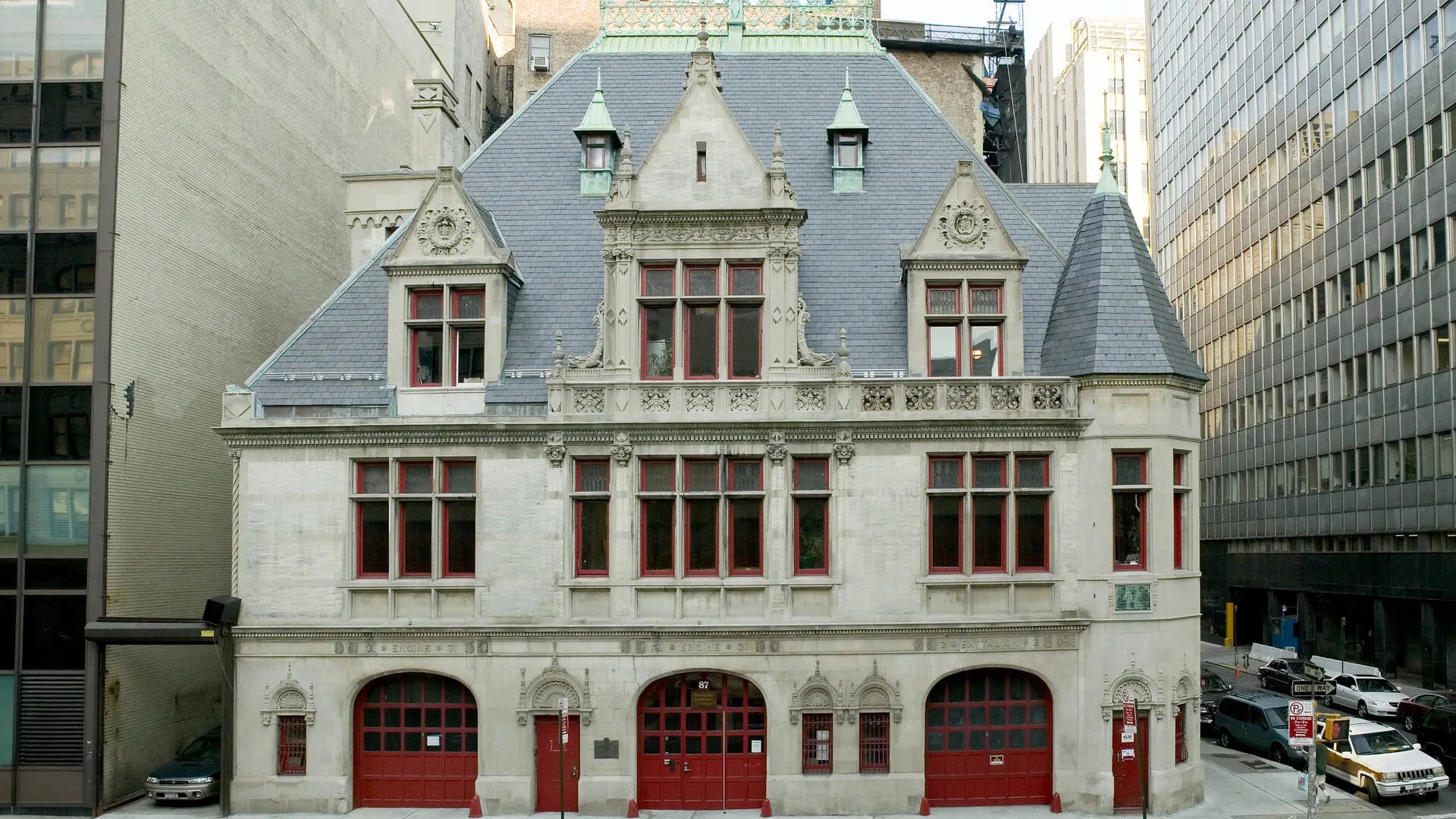
Josh Siegel, curator at MoMA’s Department of Film
Theater: What heartens me about New York today is the resurgence of microcinemas daring to show alternative, experimental and underground cinema, from Light Industry to Spectacle, the Maysles, and the Firehouse, to Roxy and Low.
Why It’s Worth a Look: The most enduring filmgoing experiences are not necessarily those with the perfect projection or sound system, the most comfortable seats, or the best concession stand.
Favorite Movie Memory: Some of my fondest memories of growing up in New York were the countless double bills I saw at the Thalia, where the floor nonsensically raked upwards and at an angle and you needed a sharp screwdriver to get the gum off your shoes; the Olympia, where the simmering drama of The Return of Martin Guerre unfolded on screen while the inimitable voices of John Cleese and Sting bled in from The Secret Policeman’s Other Ball on the other side of the paper-thin wall; the Theater 80 St. Marks, where rear-screen projections of battered prints unspooling at myopic distances from audience did nothing to mar the pleasures of watching the Marx Bros. and British Hitchcock for the umpteenth time; and the grindhouse Hollywood Twin in Times Square, where James Bond and Bruce Lee seemed to play on a continuous loop.
Esther Zuckerman, journalist
Theater: I’m an uptown girl, so I love Film at Lincoln Center in New York, specifically the Walter Reade.
Why It’s Worth a Look: Walter Reade is one of the best screens in the city. It’s the home of the New York Film Festival, which is my absolute favorite event every year, but their series and smaller festivals are also wonderful. And they’ve got a crispy, crispy fountain diet coke.
Favorite Movie Memory: It’s hard because there have been so many, but a recent one is I remember checking out the press screening of Radu Jude’s Do Not Expect Too Much From the End of the World and walking out into the Upper West Side at night with an amazing high.
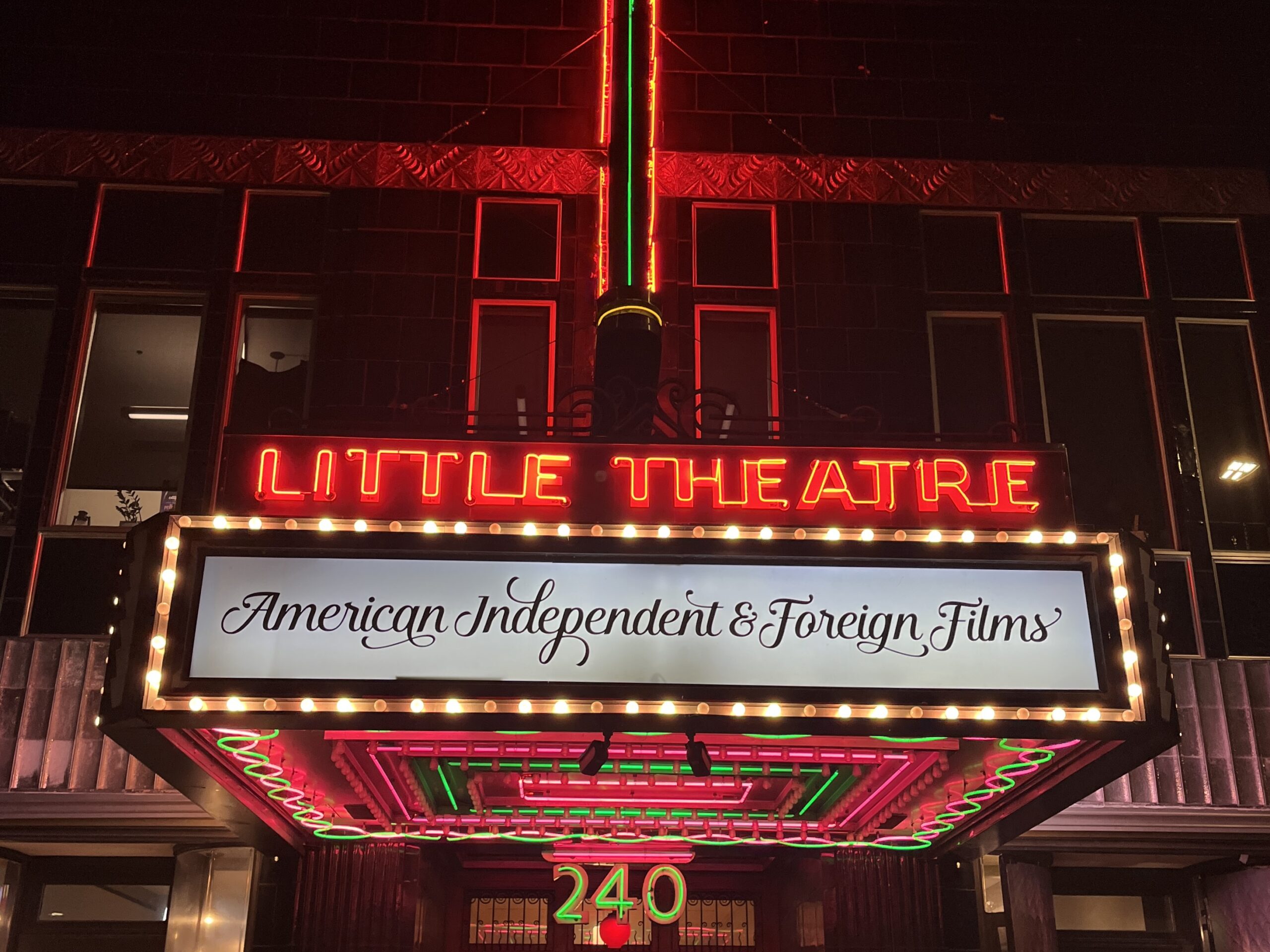
Yasmina Tawil, film programmer and curator at BAM
Theater: I’d love to highlight my hometown theater The Little Theatre in Rochester, New York.
Why It’s Worth a Look: Despite being located in the hometown of Kodak, it’s one of only two art house cinemas currently active there. I simply just love that they continue to bring art house, independent and international cinema to the city and provide a beautiful (little) space for the community.
Favorite Movie Memory: The theater has housed me on many a Christmas when I was in town by myself, and I love them for that alone!
Elissa Suh, film critic
Theater: Spectacle Theater in Williamsburg, Brooklyn
Why It’s Worth a Look: A collectively run, volunteer-powered theater with some of the most idiosyncratic programming in New York. “Eclectic” doesn’t quite cut it—you’ll see films here you may never encounter again, from bottom-of-the-barrel video store oddities to radical avant-garde work, alongside lesser-known gems by better-known European directors. Some examples: an intimate Björk portrait, a five-hour program of cat shorts on 15mm, and Peter Watkins’s 14-hour anti-nuclear war epic.
Favorite Movie Memory: I saw Terminal USA there—Jon Moritsugu’s depraved and hilarious satire(?) of a Japanese-American family that once aired on PBS. It played from a shoddy, unrestored tape, from what I remember, which only added to the experience. Moritsugu joined for a virtual Q&A afterward and was generous with his time. It’s since become one of my favorite films.
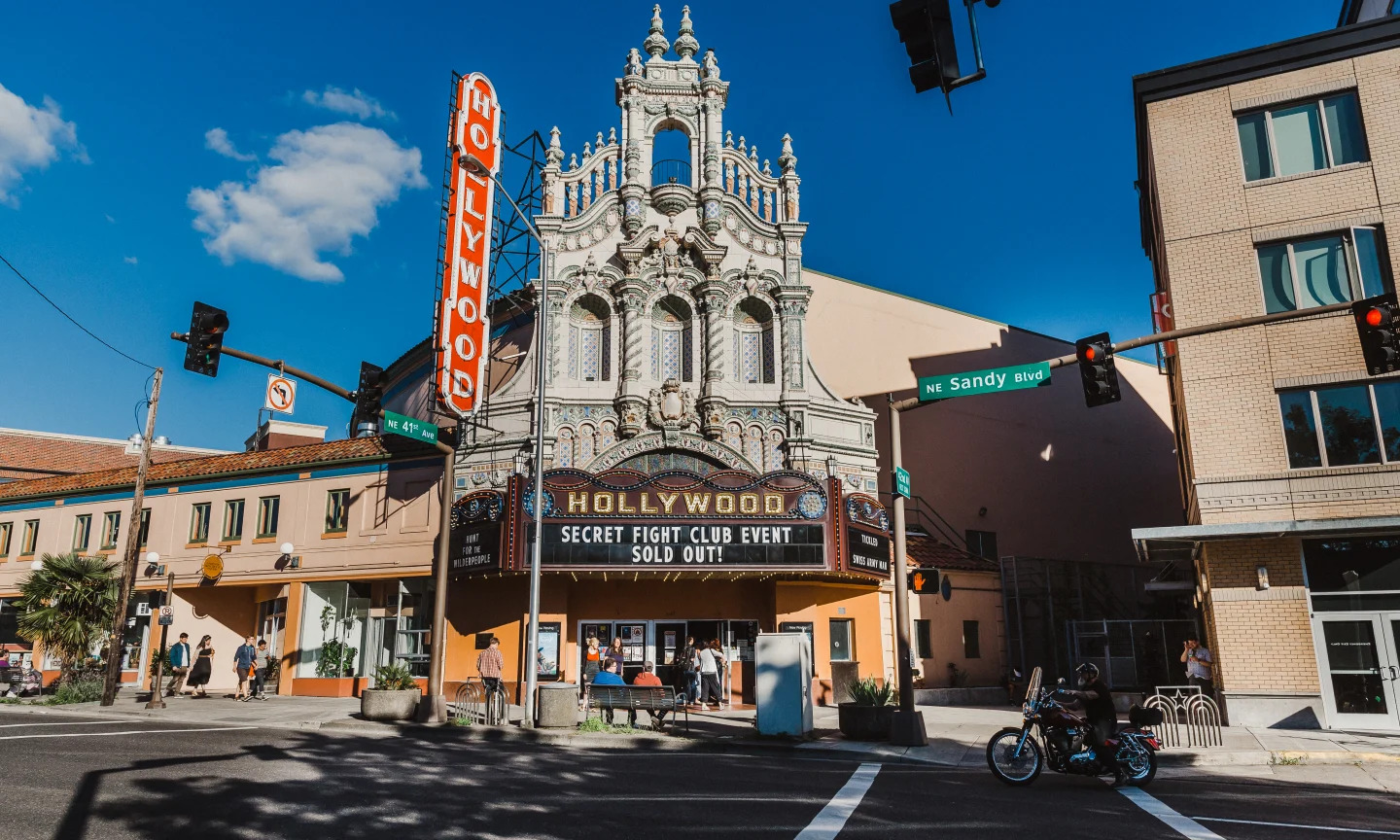
Mia Vicino, editor at Letterboxd
Theater: The Hollywood Theatre in Portland, Oregon
Why It’s Worth a Look: It’s a gorgeous movie palace that represents the rich film history of Portland, the repertory programming is always fabulously curated, and it’s one of the only theaters in the Pacific Northwest that can screen 70mm film prints.
Favorite Movie Memory: I saw Thelma & Louise back in 2018. When it initially released in 1991, I was simply not alive yet, so getting to experience one of my all-time favorite films in an auditorium full of like-minded women whooping and clasping hands and reveling in the warm, desert glow of our favorite outlaw cinema girls meant the world to me/us!
Lake Micah, film critic at Harper’s
Theater: I feel most recognized as belonging to a class of devotees of cinema whenever I’m at Metrograph in New York, where filmgoing comes to approximate churchgoing: the movie elevated to the rank of belief system, the theatre a photographic tabernacle… There, one sidles into his seat as a parishioner does his pew, and tilts his gaze toward the screen in much the posture of the supplicant.
Why It’s Worth a Look: The selection at Metrograph are like alms: Tsai Ming-liang’s What Time is it There? and Hole, the Rohmer suites and series, Lynch and Almodóvar and Martel, Sontag, Collins.
Favorite Movie Memory: The ne plus ultra of Metrograph’s screenings, at least to this spectator, has been L for Leisure, an amateurish, askance work by the directors Whitney Horn and Lev Kalman. Its minority (its aficionados seem few, its style fumbling) may preclude its ever becoming well known, but all the same I feel an affinity for it where others might an antipathy. It registers as the sort of work that someone not unlike its para-academic cast of characters might produce. Perhaps I feel such ardor for it because I should be proud to accomplish something of the sort myself.
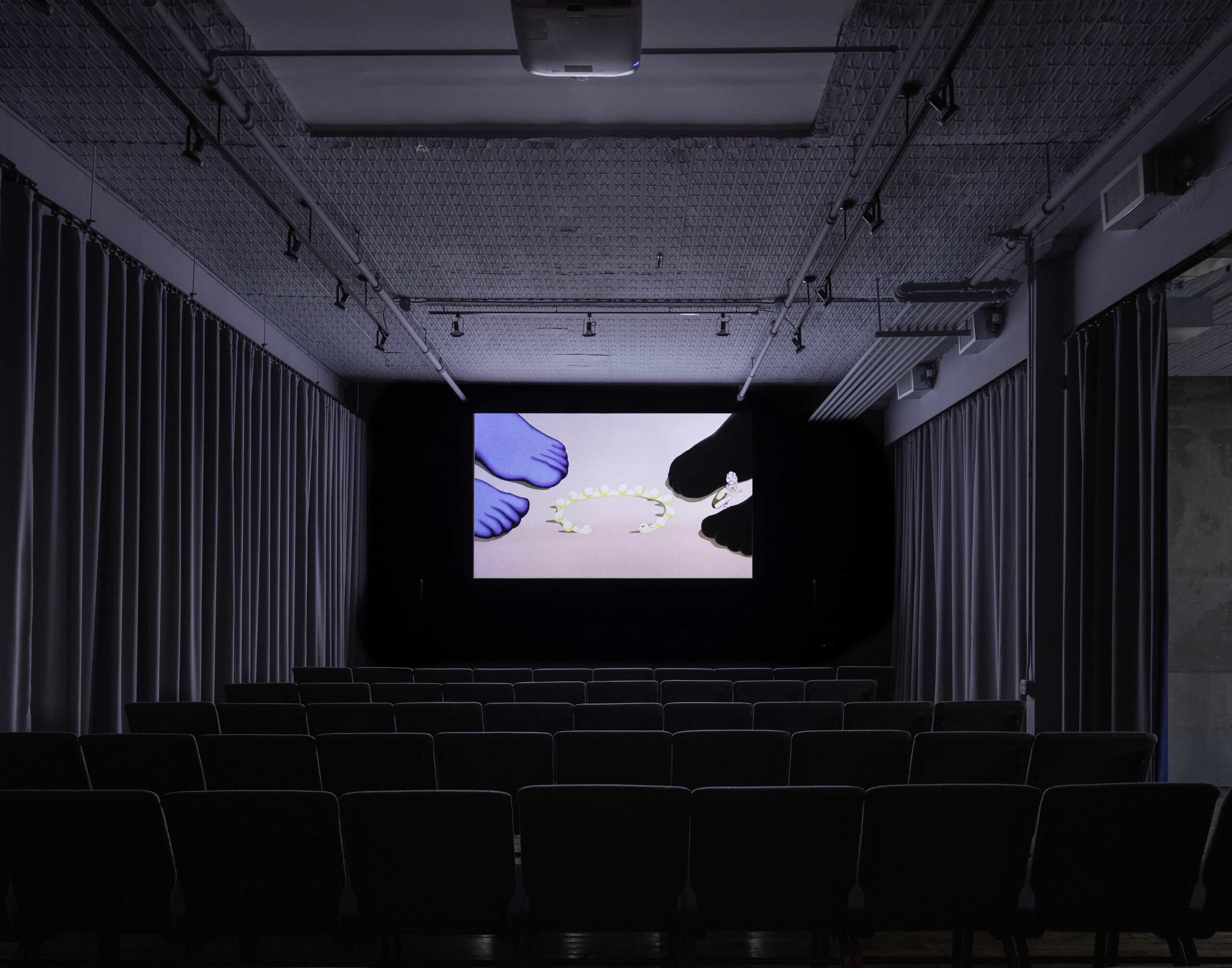
Lucy Raven, artist
Theater: I’m a devotee of Light Industry microcinema in Brooklyn.
Why It’s Worth a Look: Their incredible program and programmers, Thomas Beard and Ed Halter.
Favorite Movie Memory: My favorite recent experience there was seeing the proto-porno found footage experimental film CXHXERXRXIXES by Ken Jacobs, with an audibly tripping, howling audience member and Jacobs himself in the audience, chuckling.
Beatrice Loayza, film writer
Theater: Le Champo in Paris
Why It’s Worth a Look: The big, plushy red velvet seats are the best for micro-naps. The screening rooms are tiny and in the basement, so watching a film there feels like being back in the womb. That’s a lot of theaters in the Latin Quarter, actually, but Le Champo is the most handsome with its porcelain white façade and Art Deco stylings. In the evening, when it lights up, it’s pretty ostentatious, which is how cinemas should be.
Favorite Movie Memory: When I watched Visconti’s The Leopard, a longtime favorite that I hadn’t seen since I was in my early 20s. People queued up outside the theater—half dorky Sorbonne students; half chic older folks—and it ended up being a packed house. I tend to sit in the front row because I like the feeling of being alone with a movie. But this time I was also immensely pleased with the fact that so many people had been eager to show up to a more than three-hour-long historical epic on a Monday afternoon.




 in your life?