
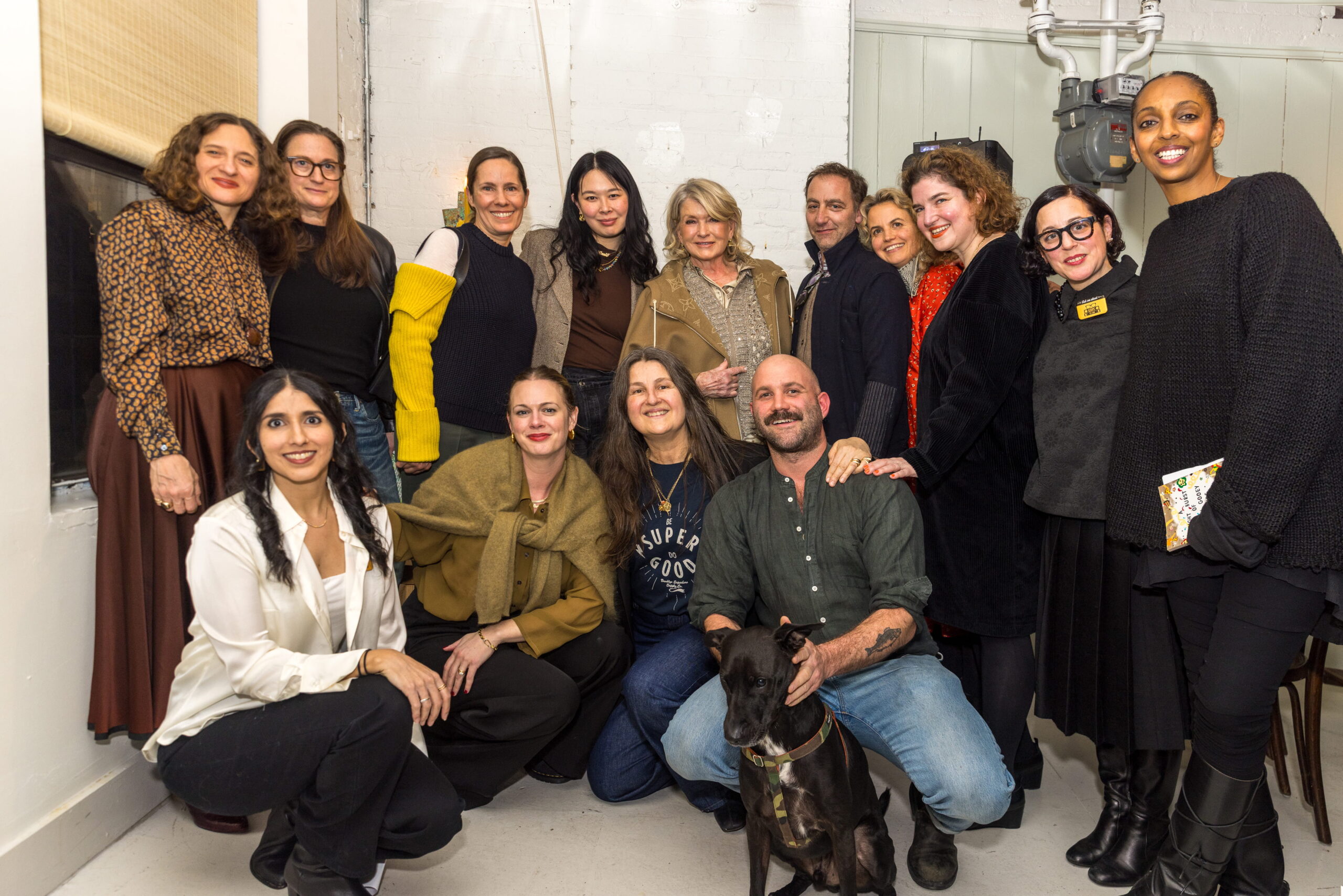
On a blustery Tuesday evening in January, a group of 85 people braved slush piles and 10 degree breezes for an evening of Filipino treats and reading at TIWA Select, an art gallery floating five stories above Walker Street in Tribeca. The event—part reading, part dinner party, part fundraiser—attracted a cavalcade of the kind of people who taught New York how to eat including Martha Stewart, Andrew Tarlow and Kate Huling of Borgo, Missy Robbins, Annie Shi of King, and Alison Roman.
The night’s events, dubbed “Stories to Savor,” were hosted in honor of 826NYC, a Park Slope-based nonprofit that hosts writing workshops for 3,600 students at New York City public schools and after-school programs throughout the year. The concept was simple: Each of the night’s participants—a procession of esteemed chefs, writers, artists, and hosts—would read from a selection of food-themed essays, short stories, and poems, written by former 826NYC students.
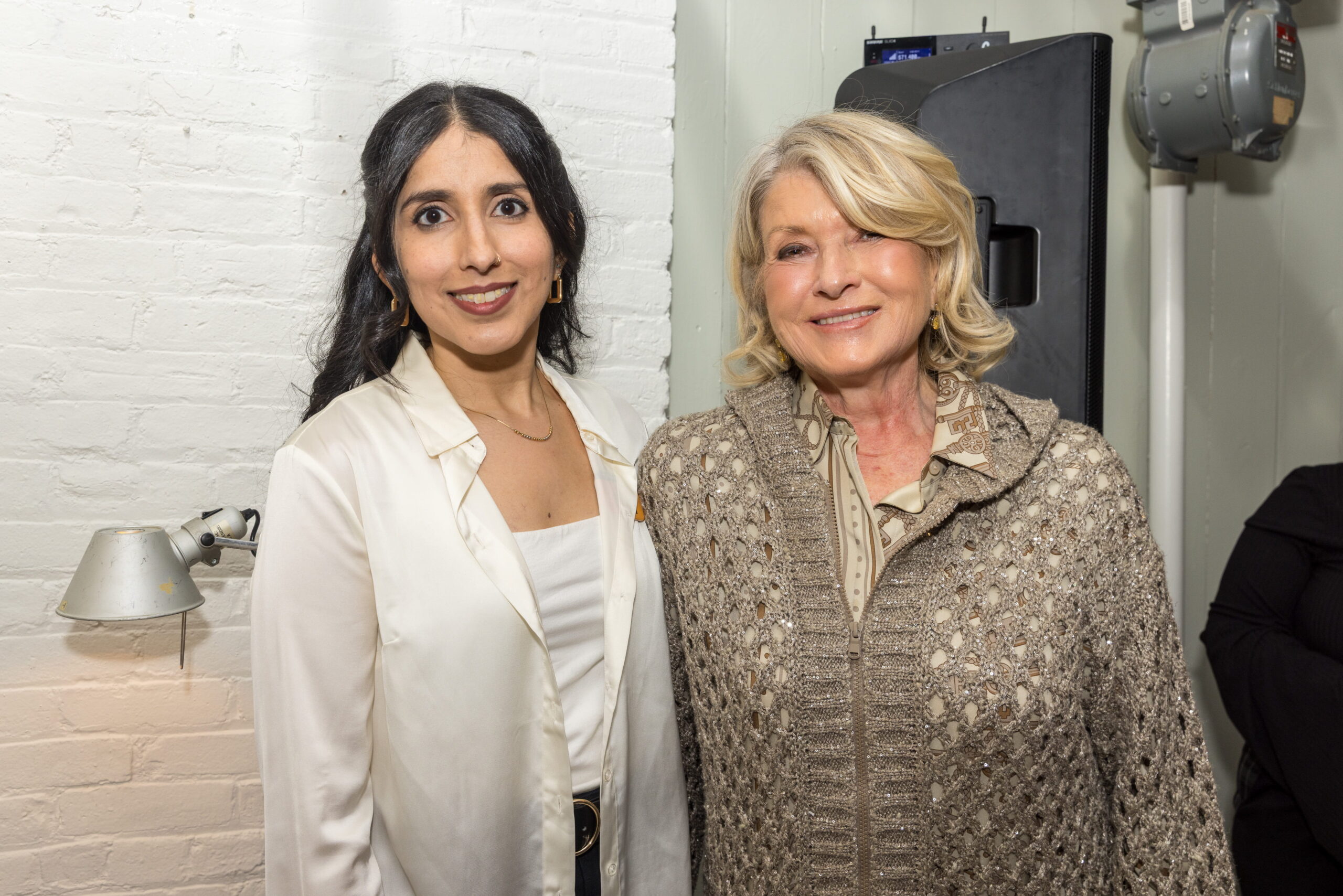
“It’s about nourishment,” said Rebecca Darugar, executive director of 826NYC, “nourishment of imagination, of voice, of culture, of community.”
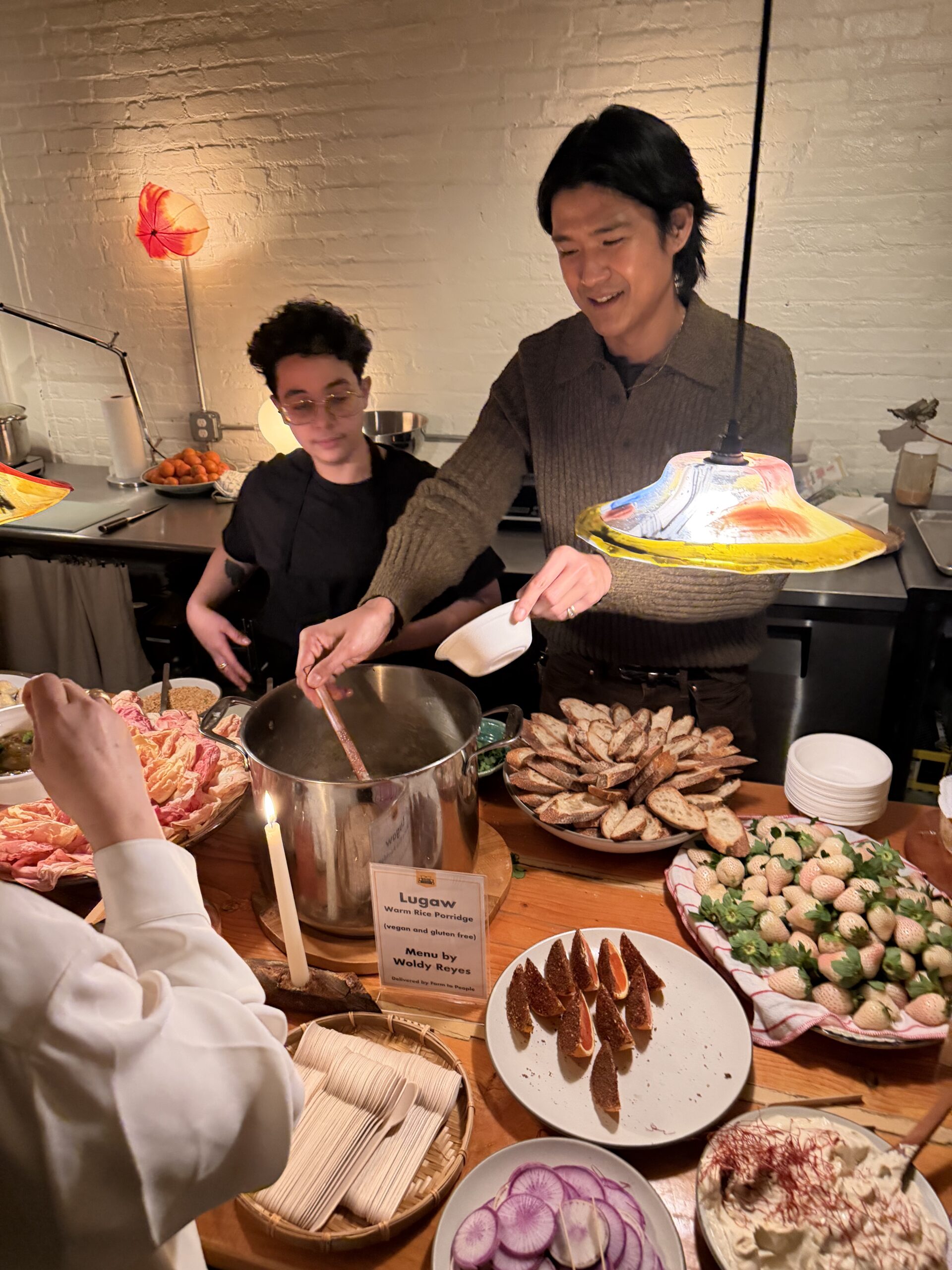
And, of course, there was the food. Chef Woldy Reyes prepared a feast of Filipino-inspired delights, presented on a long communal table where he scooped out ladlefuls of lugaw, a warm rice porridge topped with fried garlic and cilantro, all night. Guests—including fashion designer Ulla Johnson, Valentina Akerman of Galerie Sardine, and artist Simone Bodmer-Turner—scooped up creamy whipped tofu with rounds of purple daikon radish and enormous leaves of chicory. A platter teemed with white pineberries next to a matching plate of bibingka, a coconut rice cake.
“Food’s always been an important part of the gallery,” said Alex Tieghi-Walker, the creative mind behind TIWA Select. “The first thing I did when I got the space was put the kitchen in.” The gallery also moonlights as his apartment; the clawfoot bathtub sits next to the kitchen sink, and Tieghi-Walker’s black dog nonchalantly roamed the room all night. Of course, not every apartment is accompanied by amber and seaweed-toned pieces from glass artist Dana Arbib, who’s showing at TIWA until the end of January.
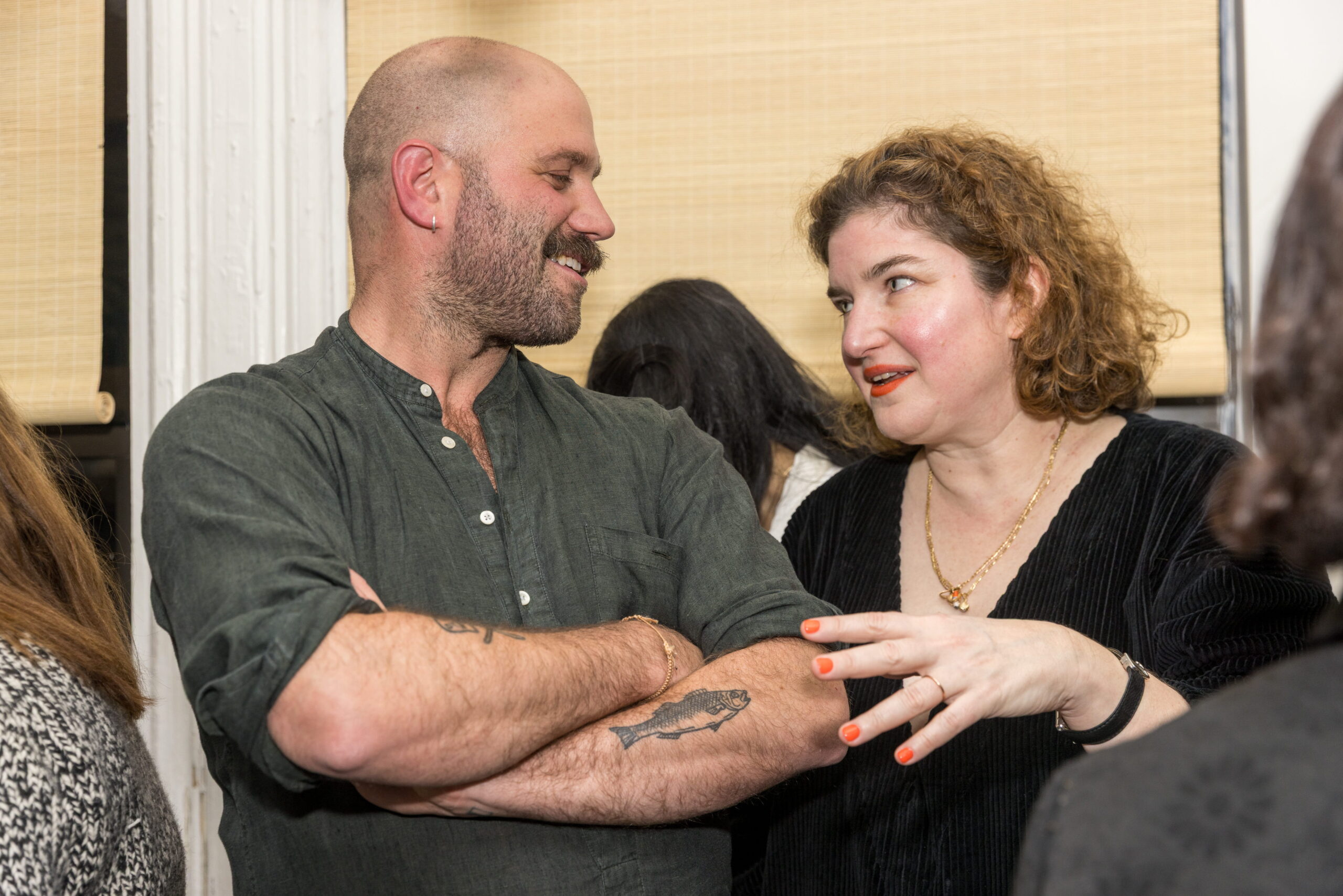
The night’s main events were emceed by New Yorker writer and cultural critic Naomi Fry who chatted it up with event co-host Kristen Naiman of The RealReal. “These things that we all do and see and encounter in the world, like food, can tell us so much about where we are today in each part of our lives if we just take the time to feel them and observe them,” said Kristen.
The stories read ranged from classically New York, like an ode to the chopped cheese sandwich written by a fifth grader ready by Alison Roman, to the unexpectedly poetic, like an 11th grader’s imagined inner monologue of an olive read by Annie Shi, co-owner of King, Jupiter, and Lei (“I lived in the brine, a sour, pickled thing.”) Martha Stewart, no stranger to the transformative power of a good cut of meat cooked low and slow for hours, read a fifth grader’s memories of her grandmother’s spicy, melty oxtail stew cooked only on dark cold days.
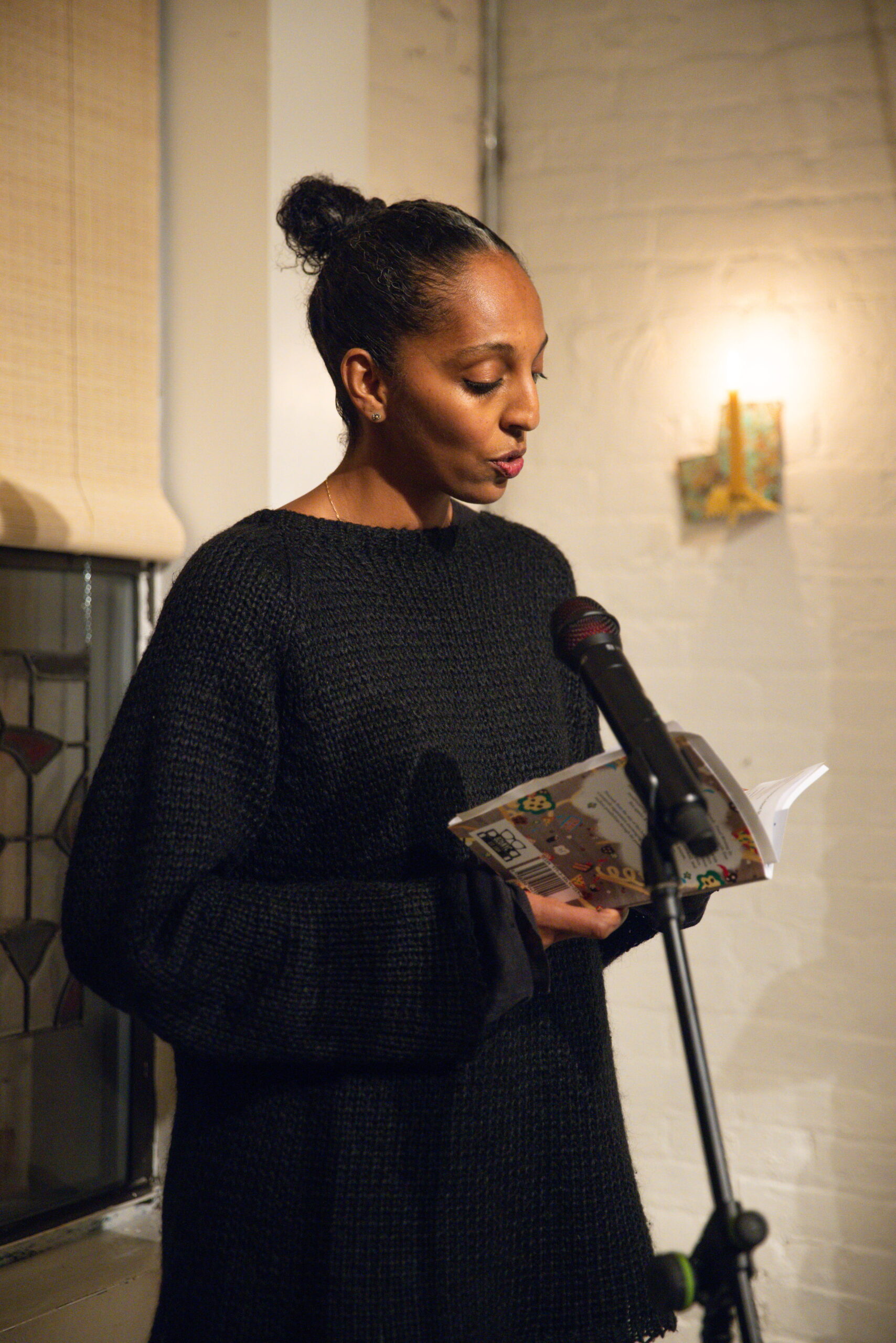
Other readers included chef and artist Laila Gohar, chef Camille Becerra, founder of One Love Community Fridge Asmeret Berhe-Lumax, Michelin chef Missy Robbins, and culinary consultant Christine Muhlke.
“Helping kids reflect on the role of food in their lives reinforces the importance of community and ritual, connecting them to the people who came before them,” said Tarlow.
The energy was warm and playful (how could it not be in a room full of people happy to accept such wisdom from children as the ability to eat pasta, not just in a restaurant, but “at home, in the park, on the subway, even in another country, possibly.”) But the concerning statistics surrounding youth literacy, the precipitous decline in reading for pleasure, and the increasing reliance of today’s students on generative A.I. tools wasn’t far from minds either. Darugar spoke about the climate of fear created by ICE keeping children from class and their communities. Shi, who grew up going to programs like 826NYC in the New York public school system, mentioned the importance of connecting young people with mentors. “It feels so meaningful to bring together the food community to focus on something that feels urgent.”
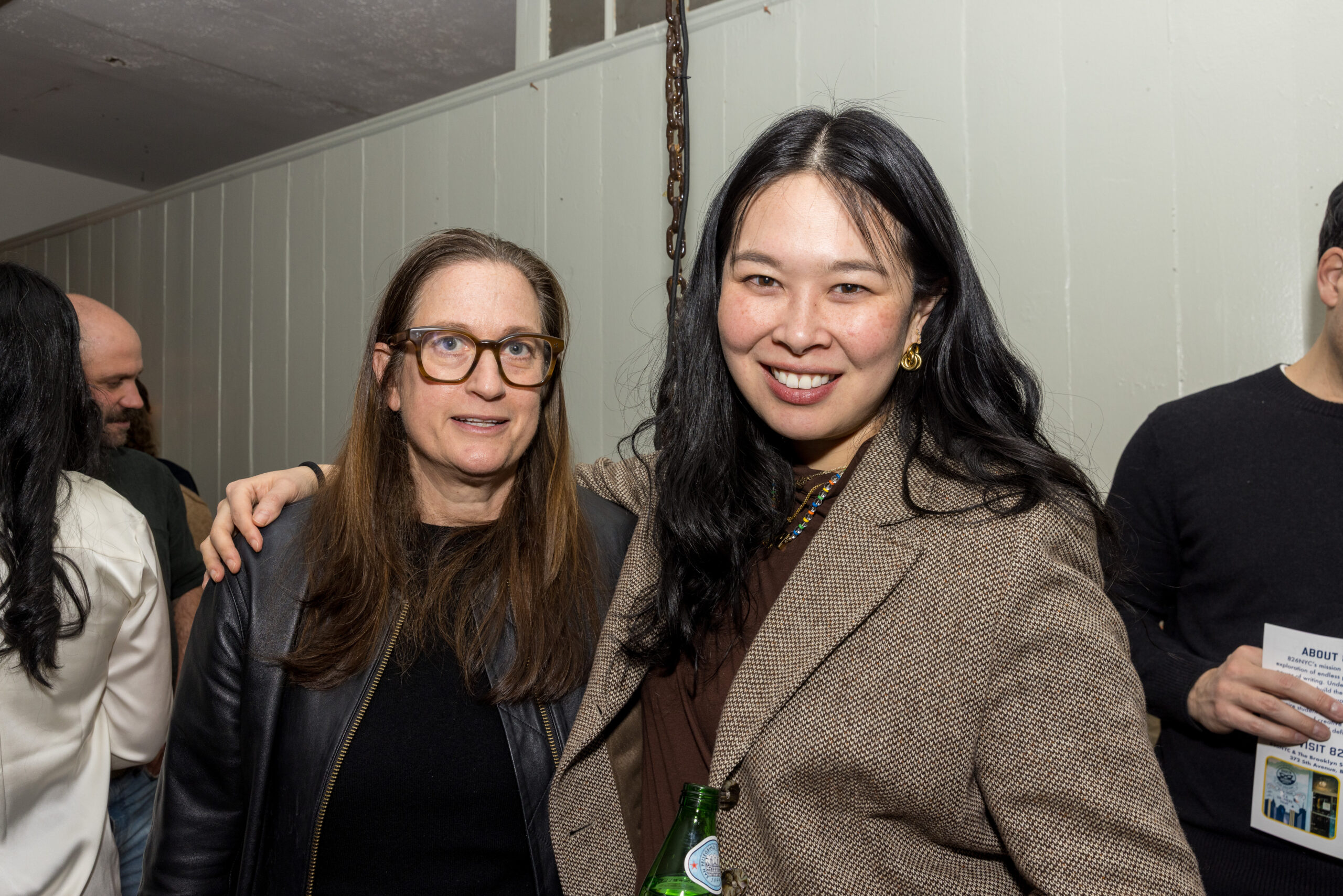
For the night’s organizers, writing is a way for kids to explore and name their identities with pride. Laura Ferrara, a stylist and event co-organizer, grew up as an Italian immigrant in Park Slope in the ’70s. She remembers worrying about assimilation, eschewing her mother’s homemade pasta and six-hour ragú for her friends’ families frozen Stouffer’s dinners with peas and carrots. But food also built community: Her grandfather brought fig tree trimmings over from Southern Italy, which still live in her backyard and those of a few friends, including Tarlow.
“Writing helps these kids celebrate their cultures, not hide from them, and gives them the confidence to share their stories and embrace their heritage,” said Ferrara.
As the evening wound down, guests reapplied their many layers of wool, cashmere, and fleece, bellies full. There was a renewed sense that, despite the challenges, the kids would be alright.



 in your life?