Terry and Jo Harvey Allen met at a dance in Lubbock, Texas. It was more than seven decades ago—before Terry was lauded for an oeuvre that spans country music, performance art, painting, and sculpture, and before Jo Harvey earned a reputation for her experimental one-woman plays. The pair have been tethered together ever since—she acts in his pieces; he crafts the sets and music for hers.
Perhaps it’s this bond, in love and work, that has led the Allens to bob where others weaved: marrying and starting a family while their art school friends abstained, and defying the constraints of genre at every turn. Everyone always thought they were crazy; they don’t argue.
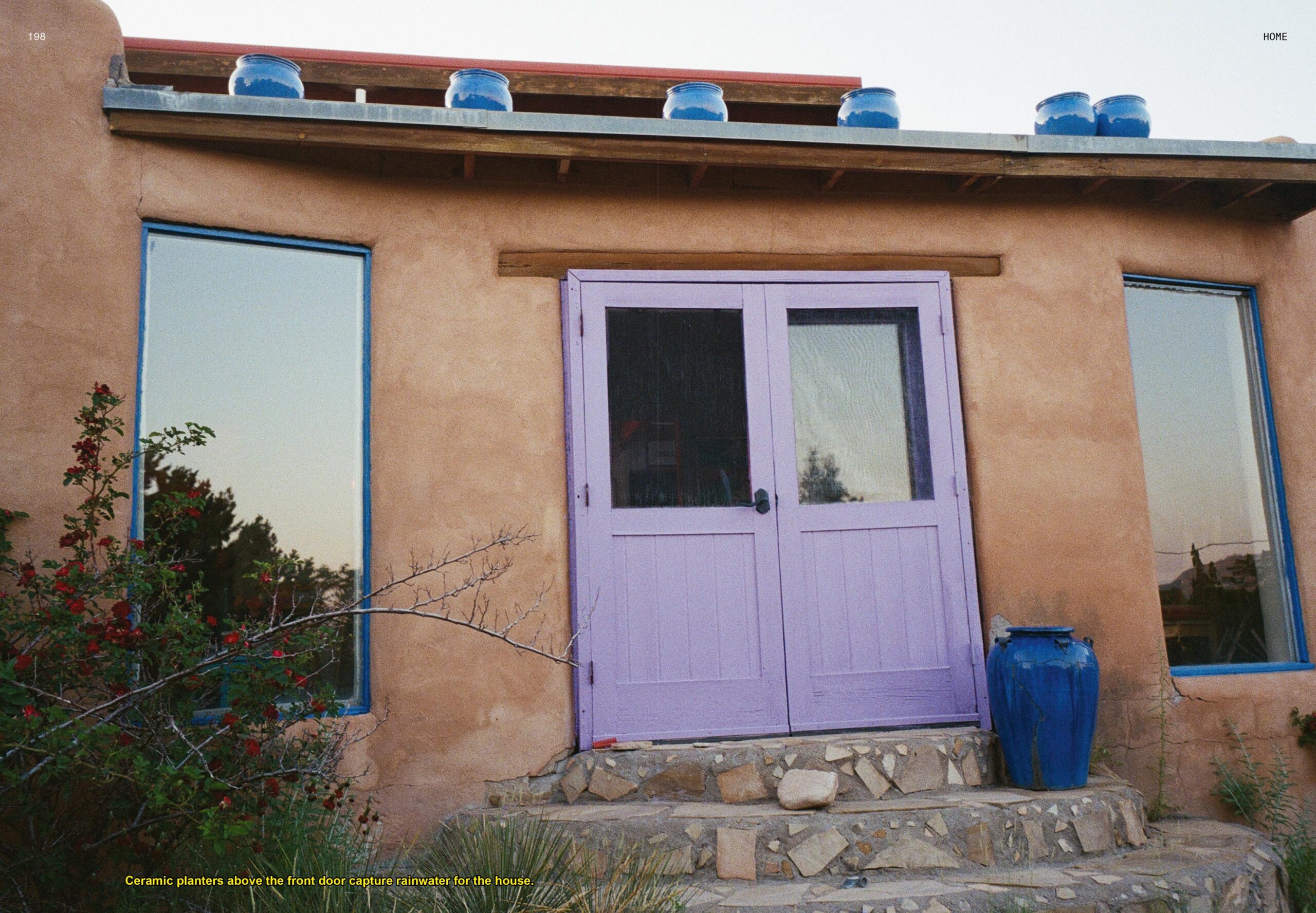
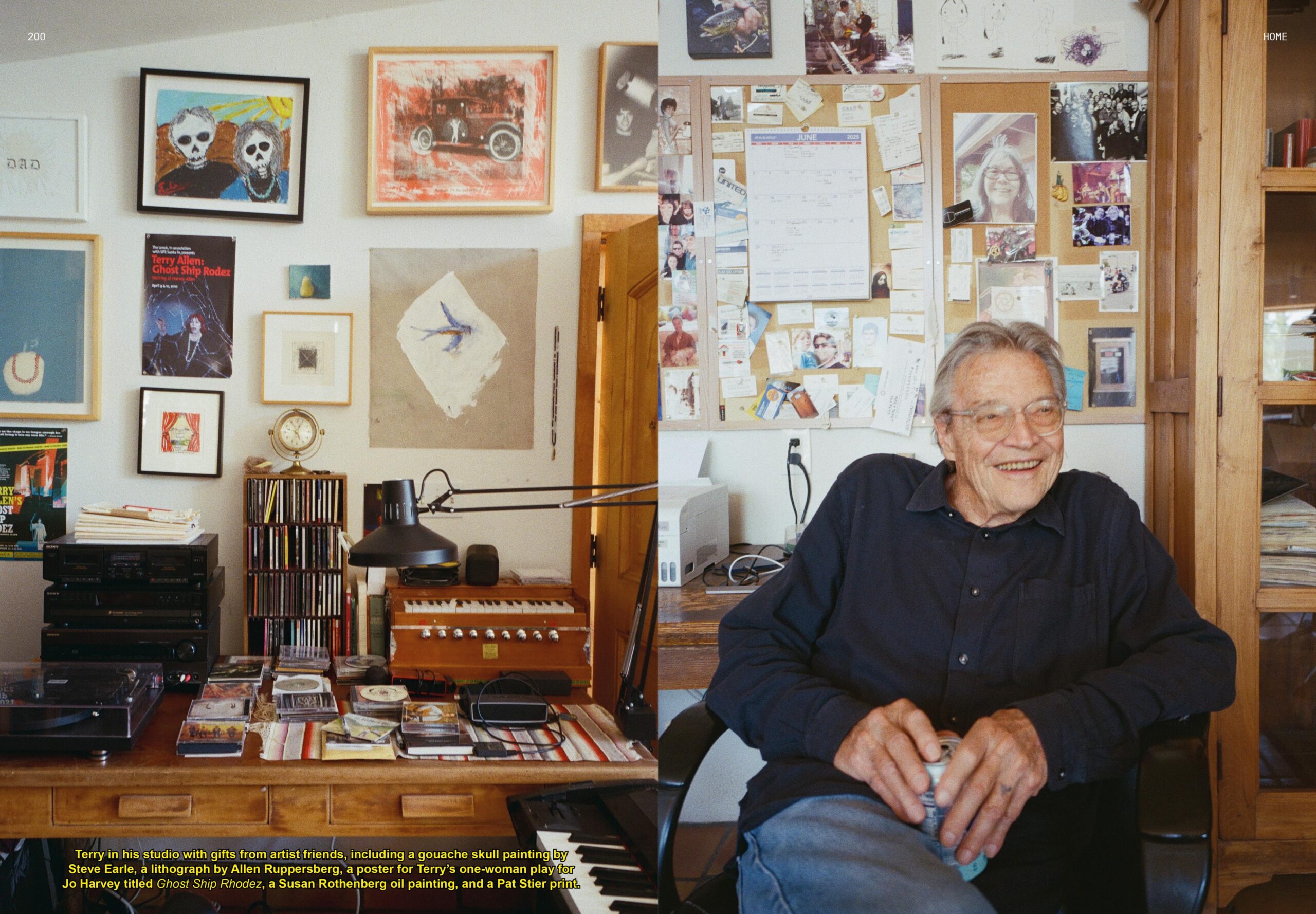
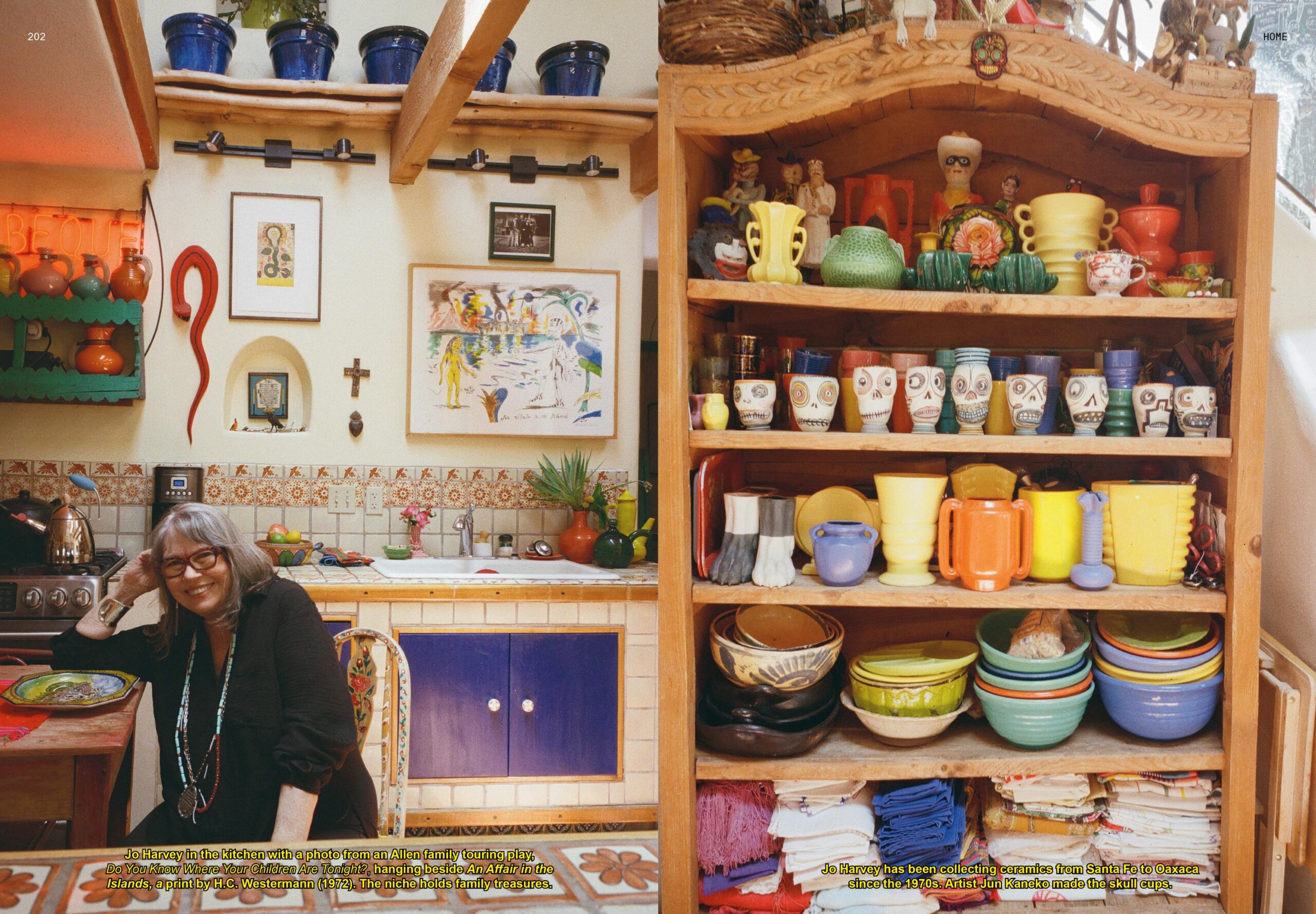
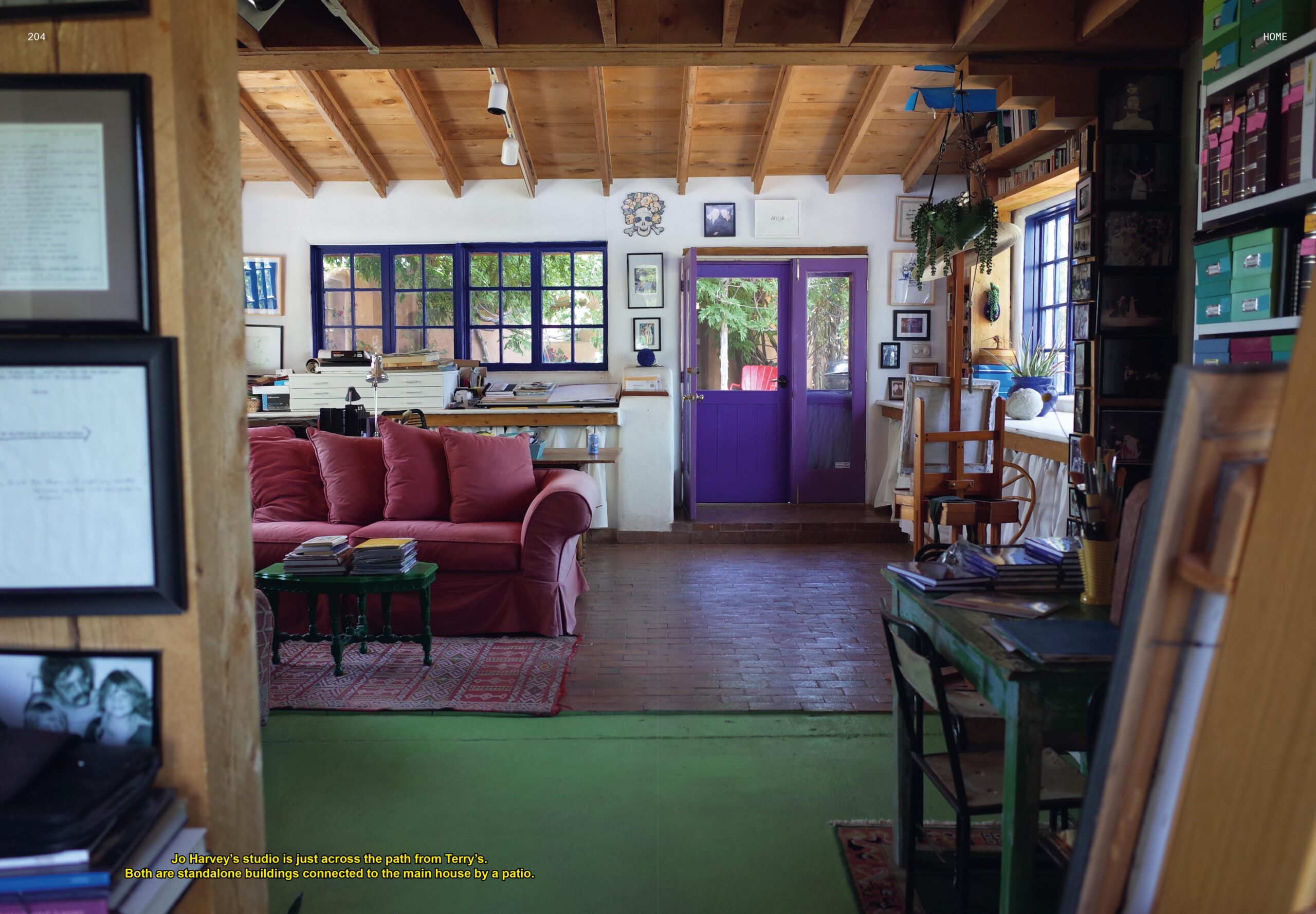
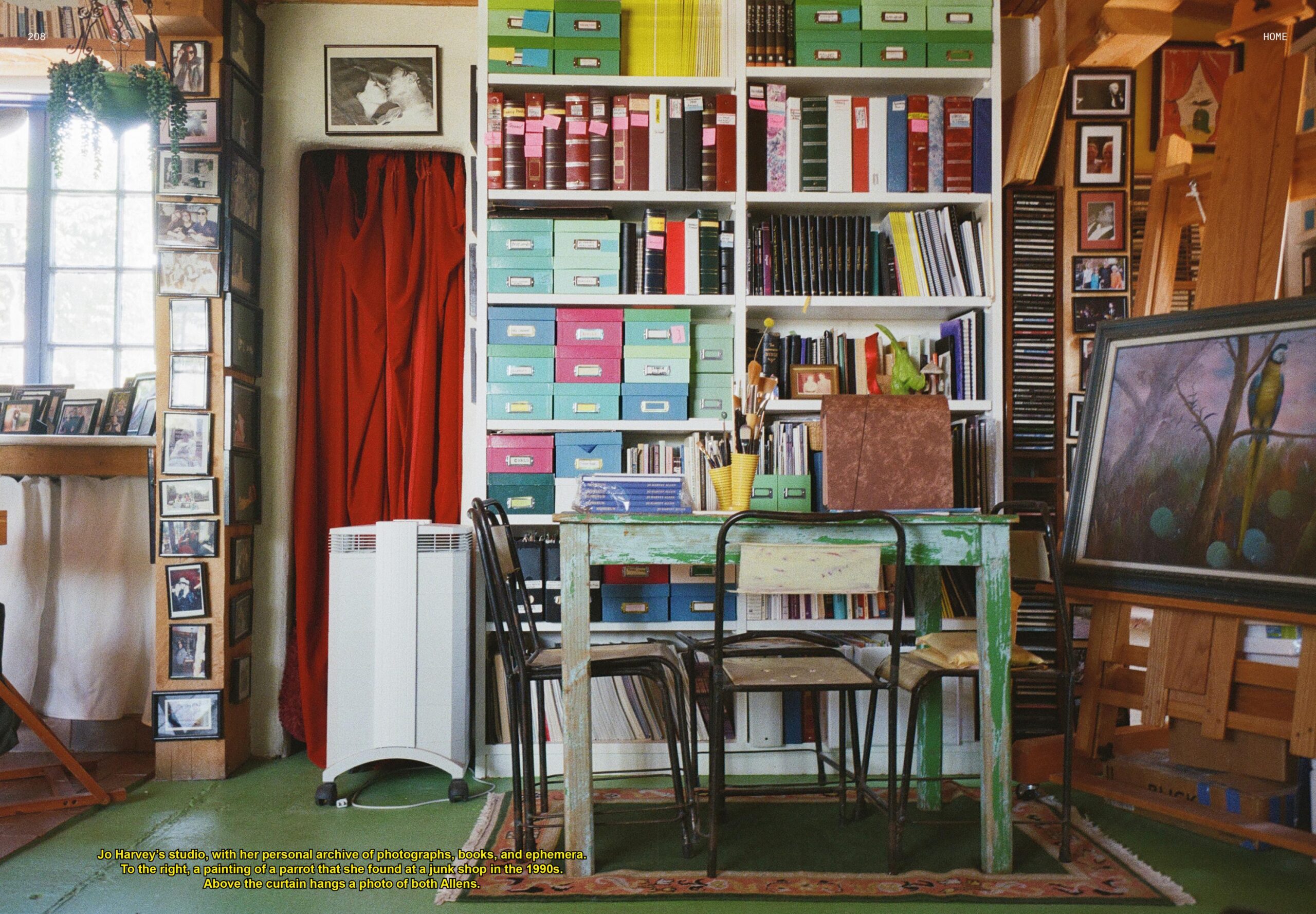
Recently, the couple, now in their 80s, donated their entire archive to Texas Tech University—countless paintings and scripts, hundreds of tapes Terry recorded with collaborators like David Byrne and Steve Earle, scores of dirty letters they wrote each other over the years. It’s a rich trove that now resides in their home state in perpetuity. The Allens, for their part, will stay right where they are: in a rambling adobe home in Santa Fe, ensconced in their adjoining studios and surrounded by a lifetime’s worth of memories and mementos.
CULTURED: Do you remember meeting each other?
Terry Allen: We met at a dance. I was 10. It was a young Shriner thing. I’ve got a song called “The 30 Years War Waltz” that’s about us meeting each other that night.
Jo Harvey Allen: I was miserably unpopular in junior high. I eventually had to change schools, and Terry went to my new one. I went home every day at lunch; I didn’t have any friends. Then I got invited to a dance, and I couldn’t believe it. I went by myself. It was my first boy-girl dance, and Terry was a great bopper. We danced all night. Terry was flashed out in a pink sportcoat. He was just rock and roll. We became best friends. Later, in our junior year, we started dating each other.
Terry: I had a lot of shit going down at my house, so Jo Harvey was a great comfort to be around. We’d talk forever on the phone.
Jo Harvey: Before we got together, whenever Terry had dates, he’d come to my house before and after his date. He got in a fist fight one night. I remember being out, and I saw this big fight from a distance.
Terry: You didn’t know it was me.
Jo Harvey: Later, he showed up at my house all kinds of bloody. So, in the dark, in the kitchen, I doctored him.
Terry: We gave each other records. Sometimes we gave each other the same records. It was John Lee Hooker, Jimmy Reed.
Jo Harvey: I didn’t believe in giving any boy anything, but I gave Terry records because we were really good friends.
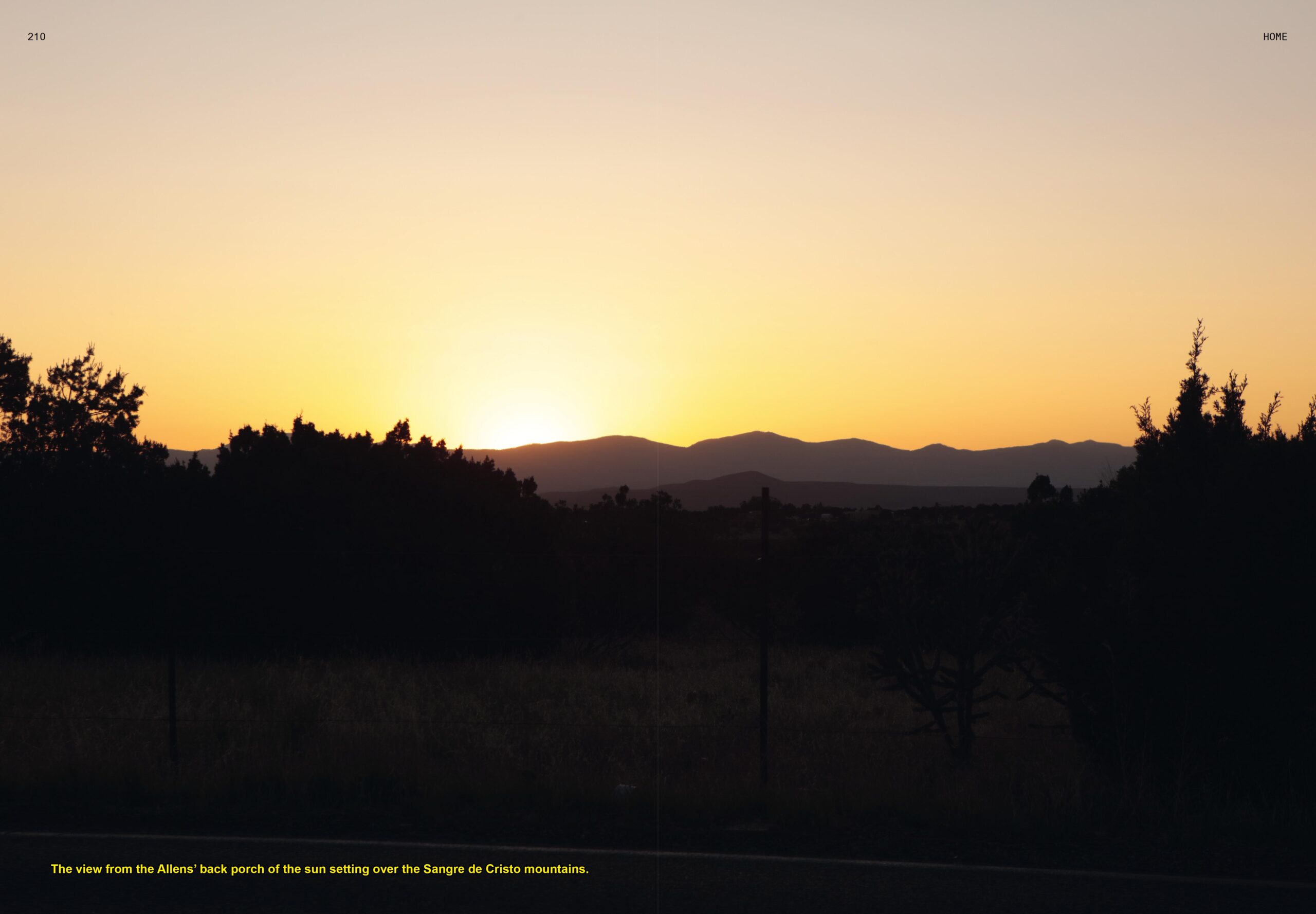
Terry: Music is our heart, in a way. The other night we sat out here, as the sun went down over the mountains behind Santa Fe, just the two of us, and played music on the patio and danced and bullshitted with one another.
Jo Harvey: It was so beautiful.
Terry: We still can talk to each other. Sometimes we’re yelling, but we still talk.
Jo Harvey: Over the years, if we were ever mad at each other, we would write long letters to each other, and leave them on the kitchen table. Mean letters. Terry, do you remember when we were handing over the archive to Texas Tech, and they asked us to go into a room, lock the door, and read all our letters to each other?
Terry: Jo Harvey made it a requirement that no one could read the letters we wrote each other for the next thousand years.
Jo Harvey: There were all these sexy letters I wrote to Terry—I’d made nasty drawings in them. I said, “Terry, no one can ever see these.” And he said, “I think we should let them.” Terry was so proud. He wanted to share them with the world.
CULTURED: Leaving your dirty letters in a university archive is a formidable legacy.
Jo Harvey: We saw it as storage.
Terry: We had thousands of cassettes: work tapes, theater pieces. I must have had over 150-something tapes I made with David Byrne; we’d swap them back and forth and work on them together. Texas Tech digitalized every one of them. We were not game when they first approached us. Lubbock is notoriously redneck and conservative. But the people we dealt with, librarians and archivists, were much more liberal than we ever thought they would be.
Jo Harvey: They may have the archive, but between this house and each other, we have a living, breathing version with us here. Terry told me a long time ago, “Don’t live your life promoting my work. You can burn my studio if you want to, it doesn’t matter. All I care about is making it.”
CULTURED: You’ve lived as artists all over the world, had a family, created this beautiful home. Do you think you could have this life in today’s art world?
Jo Harvey: We’ve always done things our own way, I think. We never shipped out to New York, for example.
Terry: We were in LA for 10 years during the ’60s, and everything was busting loose there. It was during the war; everyone was galvanized. Music was as volatile a form of expression as any other kind of art, and art was changing rapidly then. Everything was merging and breaking down: -isms and schisms falling apart. That was the foundation for us.
Jo Harvey: During that time, I thought that kids were the thing I wanted most in my life. When we finally had our boys, I was so happy. One day Terry walked in and said, “Okay, and what are you gonna do now?” I just made something up: “I’m going to radio school.” The next day, he got me a radio show through some friends of his. It was the first underground rock show in the country, and there were no women on the radio then. Terry programmed the music, and I did all the on-air stuff. It was a big success for us. It was my first experience in performing, really.
Terry: It was called Rauhilde and Roses. We played a lot of stuff people in LA weren’t listening to because we were getting stuff from Texas. We did that for three years.
Jo Harvey: Then we moved to Fresno because Terry got a teaching job. A lot of artists said, “What the hell are you doing in Fresno?” It had been voted the worst town in the United States nine years straight. But we could afford to have a studio and raise the kids in town. It was a happy time there.
CULTURED: What’s one thing that you each hear the other person say a lot?
Jo Harvey: “Work.”
Terry: “Fuck.”
CULTURED: How would each of you describe the other one to a stranger?
Terry: I wouldn’t even attempt it.
Jo Harvey: I’m honestly in awe of Terry. I really am.
Terry: Come on.
Jo Harvey: No, it’s true. He’s very different than me, and I admire him so much. He’s so unassuming, so kind, so rigorous, smart, and does brilliant work, and he’s not an artist in the sense that he’s just trying to have a career. It’s always been about the work, and I really admire that. And he’s a great dad.
Terry: I am a very lucky man. Most of the pieces that I’ve written have been one-woman shows for Jo Harvey. She plays multiple characters in all of these because she can shift personas as an actor like no one I’ve ever encountered.
Jo Harvey: One nice thing about our marriage is getting up every morning with a new man. You’re keeping it fresh.
CULTURED: Should a work life and a personal life be separate?
Terry: I think it should be. When you’re working, you’re concentrating, but then you step away and you’re alive, you know? I don’t think one is more important than the other, and they feed off of each other, but I do think they’re separate. I go to the studio every day, whether I want to or not. It’s that old Flannery O’Connor thing: she would go to her typewriter even when she was sick for three hours because she wanted to be there when something happened.
Jo Harvey: I admire that in Terry. I’m the total opposite.
Terry: You wait for it to strike.
Jo Harvey: I’ll put something off for a long time. But when I finally get to work, I can’t stop. Terry once thought I’d gone on a hike and fallen off a cliff. I didn’t turn up all day—I missed an opening, I missed dinner with a bunch of people. Everybody was hunting for me. I was learning how to work a darkroom.
Terry: It took us a while to be comfortable with each other’s working styles. When I started doing shows, Jo Harvey took it as an affront, like I was trying to get away from her.
Jo Harvey: I thought Terry cared more about his work than he did me. Early in our relationship, we’d go to bed together and Terry would sneak out of bed and work in his studio all night. I was jealous. And it wasn’t until I was really invested in my own work that I realized it had nothing to do with how much I cared about him. It was about me and my work.
CULTURED: Can you remember the last time the other person did something that surprised you?
Terry: Yeah, this morning. She keeled right over.
Jo Harvey: I fell on my ass in front of the house.
Terry: It’s better to fall on your ass than on your head.
Jo Harvey: We used to scare each other to death. Our whole lives, we’ve played tricks on each other. Terry hid in the closet once, right after a scary movie. He set up the bed like he was lying under the blankets. And then—while I’m completely naked, and talking to him for 10 minutes, thinking he’s in the bed, a hand reaches out from the closet and touches my back. These days, we’re afraid we’ll give each other heart attacks.
Terry: We did it to our kids, too. [Laughs]
Jo Harvey: Elaborate things. They’d pour ketchup all over everything and lie there like they’d been murdered. [Laughs] We had a great time with our kids. We still do.
Terry: Now I play music with my kids.
Jo Harvey: They’ll be here soon. Everybody comes here at Christmas. We always have big anniversary parties. Always in new places, always with around a hundred friends. There are lots of cookouts and performances. Terry says we have them because—how do you put it?
Terry: We don’t celebrate birthdays because we celebrate miracles.
Order your copy of CULTURED at Home for more stories like this one here.




 in your life?