Beginning January 1, 2026, MoMA PS1 will not charge admission for the next three years, becoming the largest museum in New York that is completely free.
Although the Queens institution has been freely accessible to New Yorkers for a decade, the program has expanded thanks to a contribution from creative entrepreneur and art patron Sonya Yu ahead of the museum’s 50th anniversary celebrations next year.
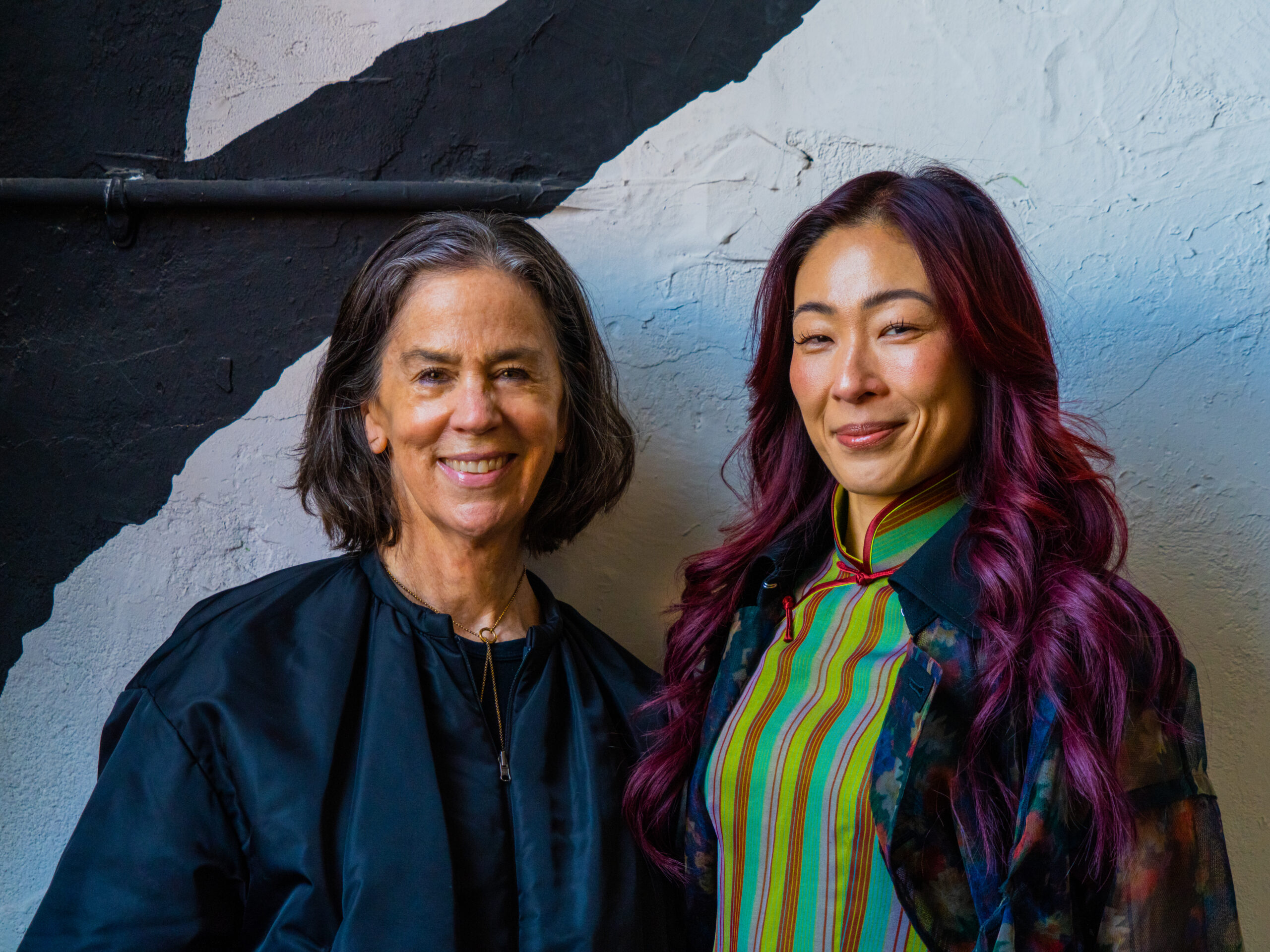
“There is a core timelessness to what we’re trying to do,” Yu tells CULTURED, “and it is deeply reflective and attuned to my values and experiences as a Chinese immigrant and mom.”
Yu, a 2023 CULTURED Young Collector, didn’t go to a contemporary art museum until she was in her 20s. Her parents lived through the Cultural Revolution in China, a time when traditional artists were branded as counter-revolutionaries. Some artists’ entire bodies of work were destroyed; others were imprisoned. When she did start visiting galleries and acquiring her first works of art, Yu became committed to the notion that access shouldn’t be a luxury only some can afford.
“My family didn’t have the bandwidth to think about these aspects of life [after having moved to] America,” Yu says. “It’s all about coming from a place of lack and transmuting it into abundance in the art world. I’ve gotten the privilege to learn so much and see how it affects me, my worldviews, and my kids and their worldviews. I want to provide that kind of access in any way that I can.”
The collector has spent her adult years opening doors for others who may never have felt welcomed in the art world. She founded Four One Nine, a San Francisco Bay Area creative agency that fosters the community’s art ecosystem with clients including gallerists Micki Meng and Jonathan Carver Moore. She also sits on the boards of the San Francisco Museum of Modern Art and the Hammer Museum, where she met Connie Butler, who served as chief curator there before becoming director of MoMA PS1 in 2023. The two shared a vision for museums where visitors could spend an entire Saturday wandering the galleries or just stop in after school without worrying about the price of admission.
“Sending a welcoming message to both local and global audiences is more important than ever,” Butler says. “We want people to come here from everywhere and feel that the museum is theirs.”
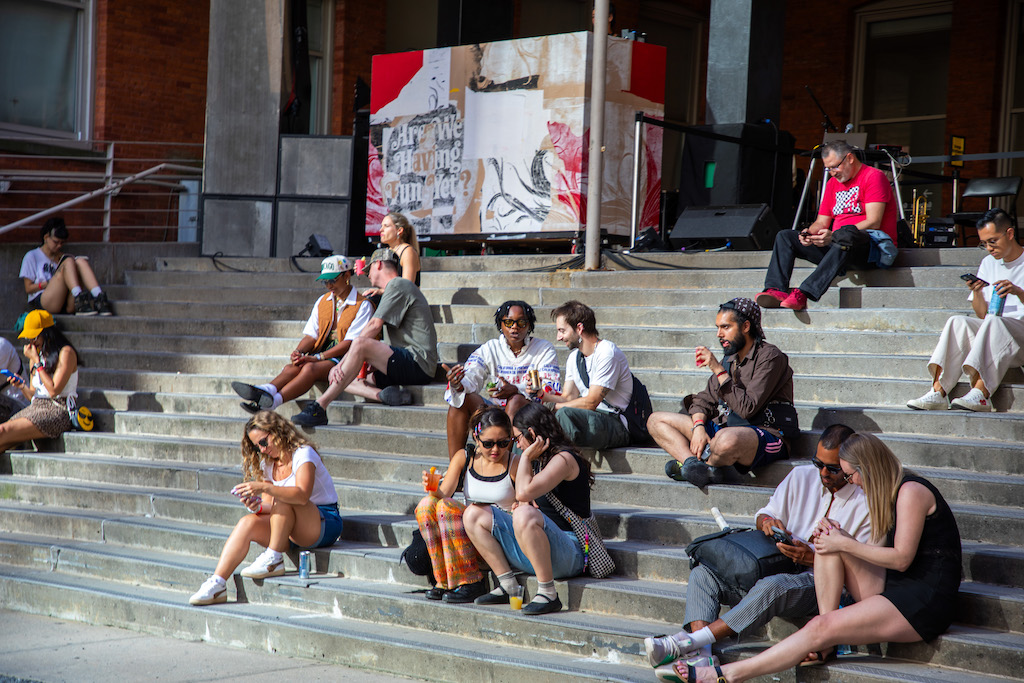
Yu was initially drawn to MoMA PS1 because of the way it appeals to younger audiences without sacrificing intellectual rigor. Its roots in the alternative space movement of the 1970s and 1980s carry on today in shows highlighting the work of underserved communities and programming such as the annual Warm Up series and family days. “That porousness is really crucial,” said Yu. “We hope people will see PS1 as the kind of place where people can pop by in the middle of their day.”
MoMA PS1 is eliminating admission fees just in time for an ambitious slate of programming to celebrate the museum’s 50th anniversary. In April, curators will unveil the latest edition of “Greater New York,” a quinquennial focused on the city’s defining living artists. This year’s edition will be helmed by the entire museum’s curatorial team, including Butler, chief curator and director of curatorial affairs Ruba Katrib, and associate curators Jody Graf and Elena Ketelsen González. Assistant curator Kari Rittenbach, curatorial assistant Sheldon Gooch, and curatorial coordinator Andrea Sánchez will also contribute.
Opening April 16, “Greater New York” will join the Whitney Museum, New Museum, and Bronx Museum in a year chock-filled with biennial and triennial referendums for New York institutions.


 in your life?