
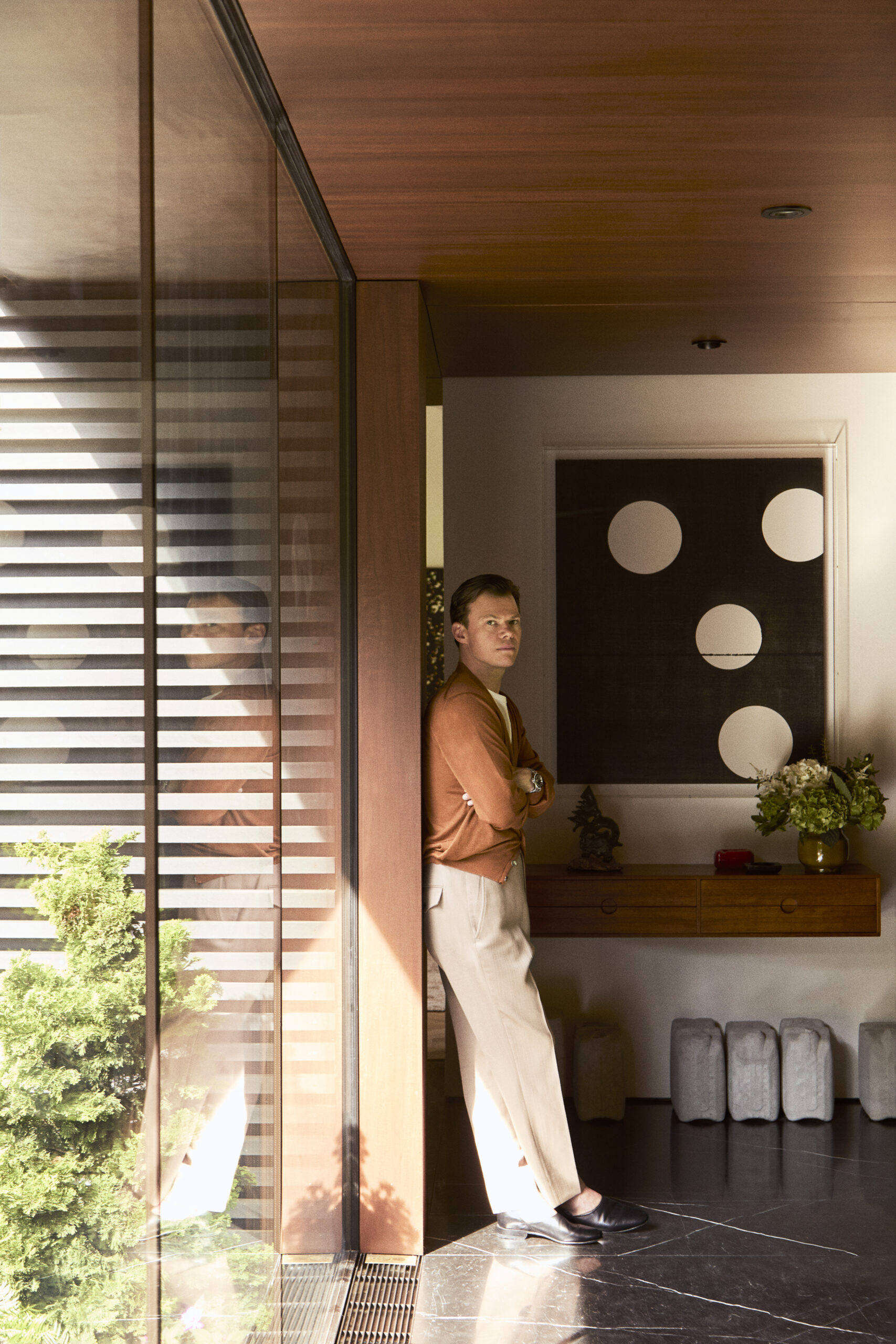
Living with art is like being in a three-way conversation without an end in sight. The work itself is the obvious stakeholder, as is the space that contains it. The living room may play host to a discourse on abstraction, the dining room a reckoning with portraiture. For Rob Teeters, the bedroom challenges the purview of landscapes.
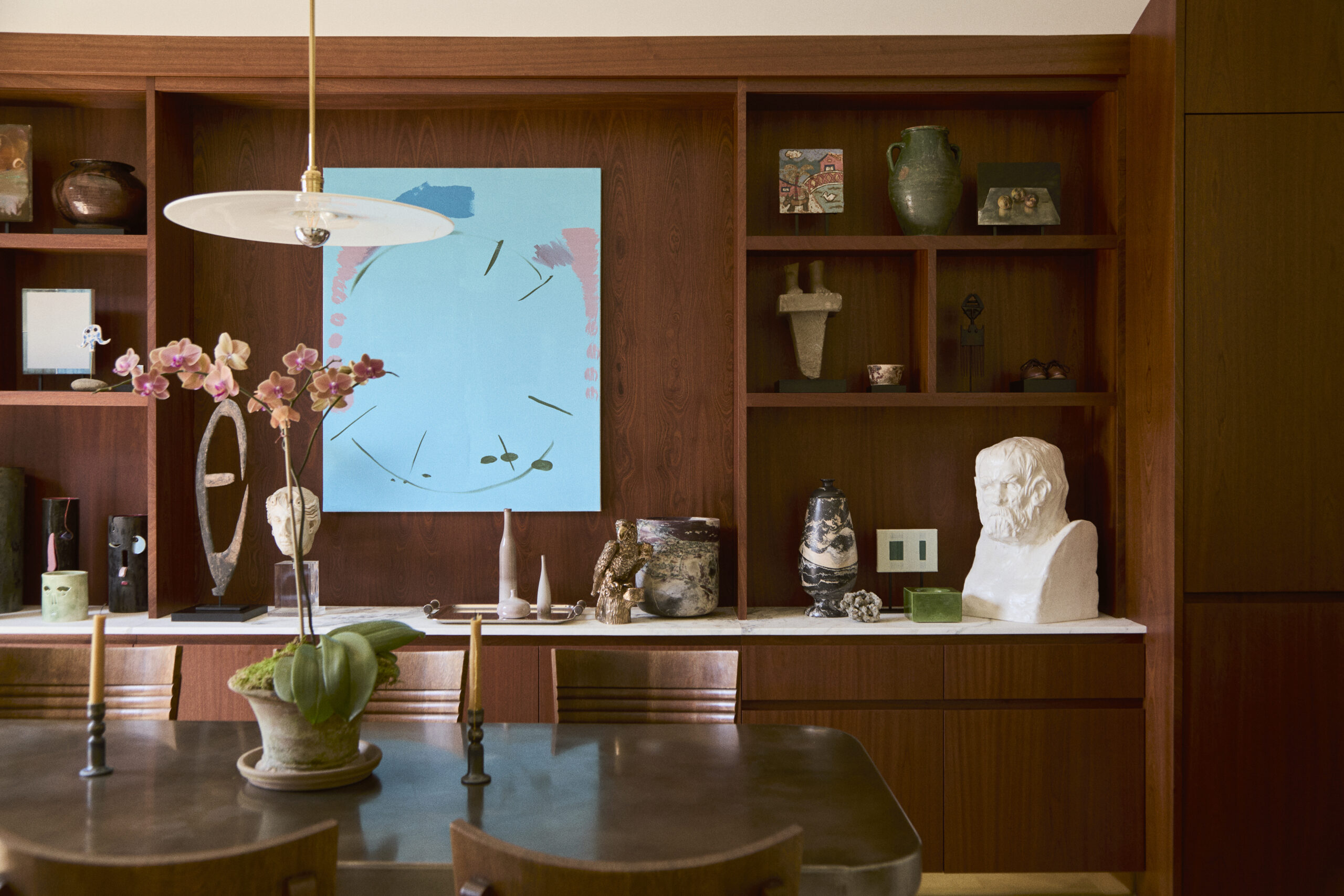
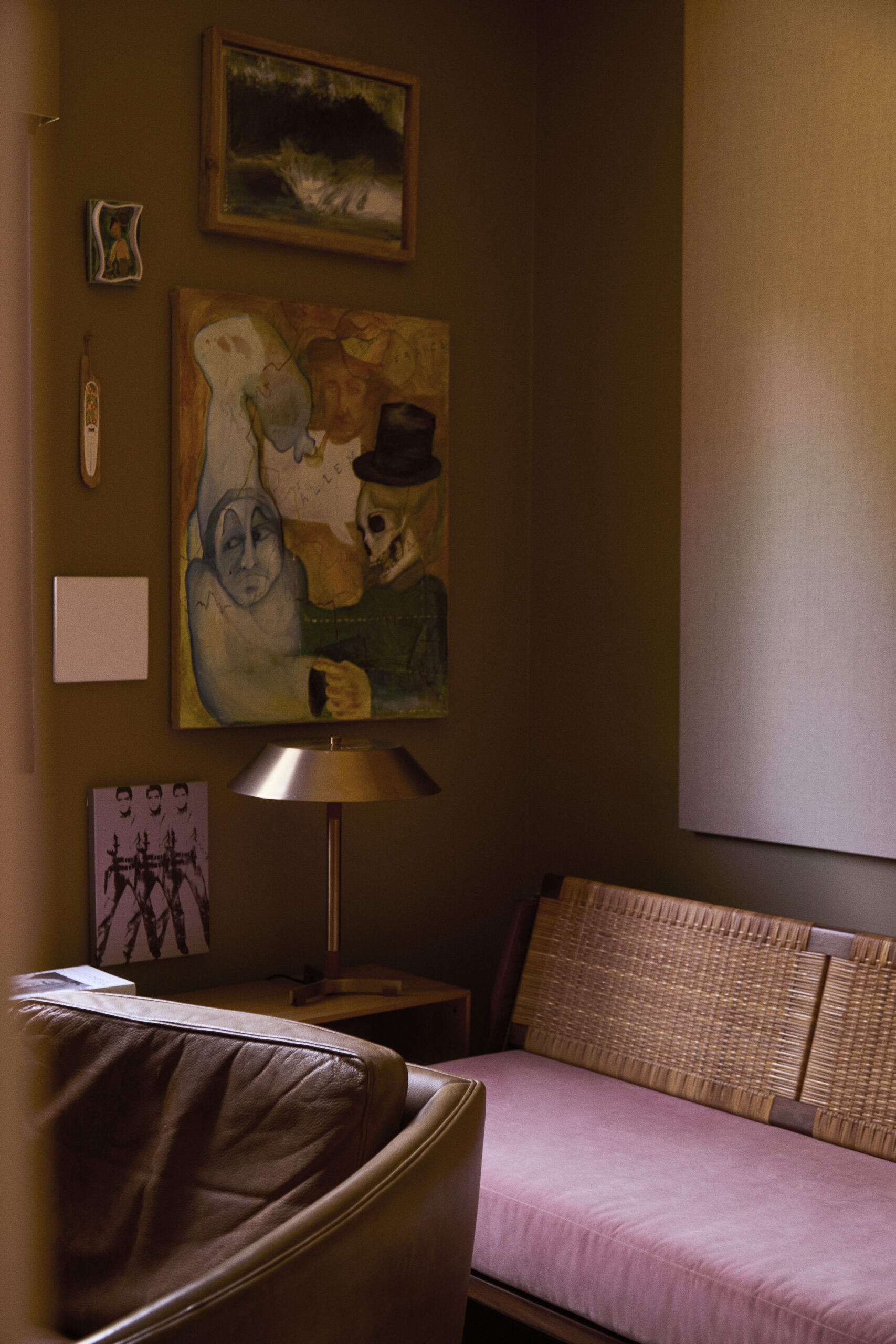
The advisor, who founded Front Desk Apparatus in 2006 and leads the Dallas nonprofit art space the Power Station, shares his 1950s Sagaponack home with his husband, ceramicist Bruce M. Sherman. The latter’s latest polychrome pieces punctuate their shared collection with a winking energy and warmth throughout the modern glass-and-wood-led space. In the dining room, a third-century Roman marble head stands sentinel, while a Courbet portrait beckons down the hall; elsewhere, contemporary works by Wade Guyton and Sherrie Levine balance the craft practices on view with a more conceptual bent.
Teeters approaches each arrangement with the keen eye of someone who does this for a living—though, with no clients to please here, he’s given himself free rein. For CULTURED, the advisor reveals how he put together his most singular curation yet.
CULTURED: How do you draw the line between your personal taste and your critical eye as an advisor?
Rob Teeters: It’s a bit like climbing into someone else’s head and trying on a new personality. I could attempt to make each of my clients’ homes look like mine, but that would be monotonous for everyone. The key to being a good art advisor is knowing when to say yes and no, and understanding the client’s sensibility and interests in order to guide them to the very best artworks that represent those interests. It is important to me that the collections I build are reflective of who my client is, rather than a vacuous mirror of my own taste and aesthetics.
CULTURED: Do you find yourself living with art differently over time?
Teeters: I live with a lot of art, but I don’t need to live with it all at once. In general, I prefer to live with less—it allows the work to breathe. I like unearthing pieces from my storage unit after many years and seeing how my feelings about them change. A great artwork continues to unfold and reveal itself over time. If a work of art remains static without breeding new thought and feeling, it’s probably a mediocre work of art. If something is newly placed within a room—whether it be a painting, sculpture, a chair, or a new lighting fixture—the vibration of the room and all of its contents is affected, to a far more dramatic degree than many people realize.
CULTURED: How does showcasing work in your home change what you’re able to accomplish?
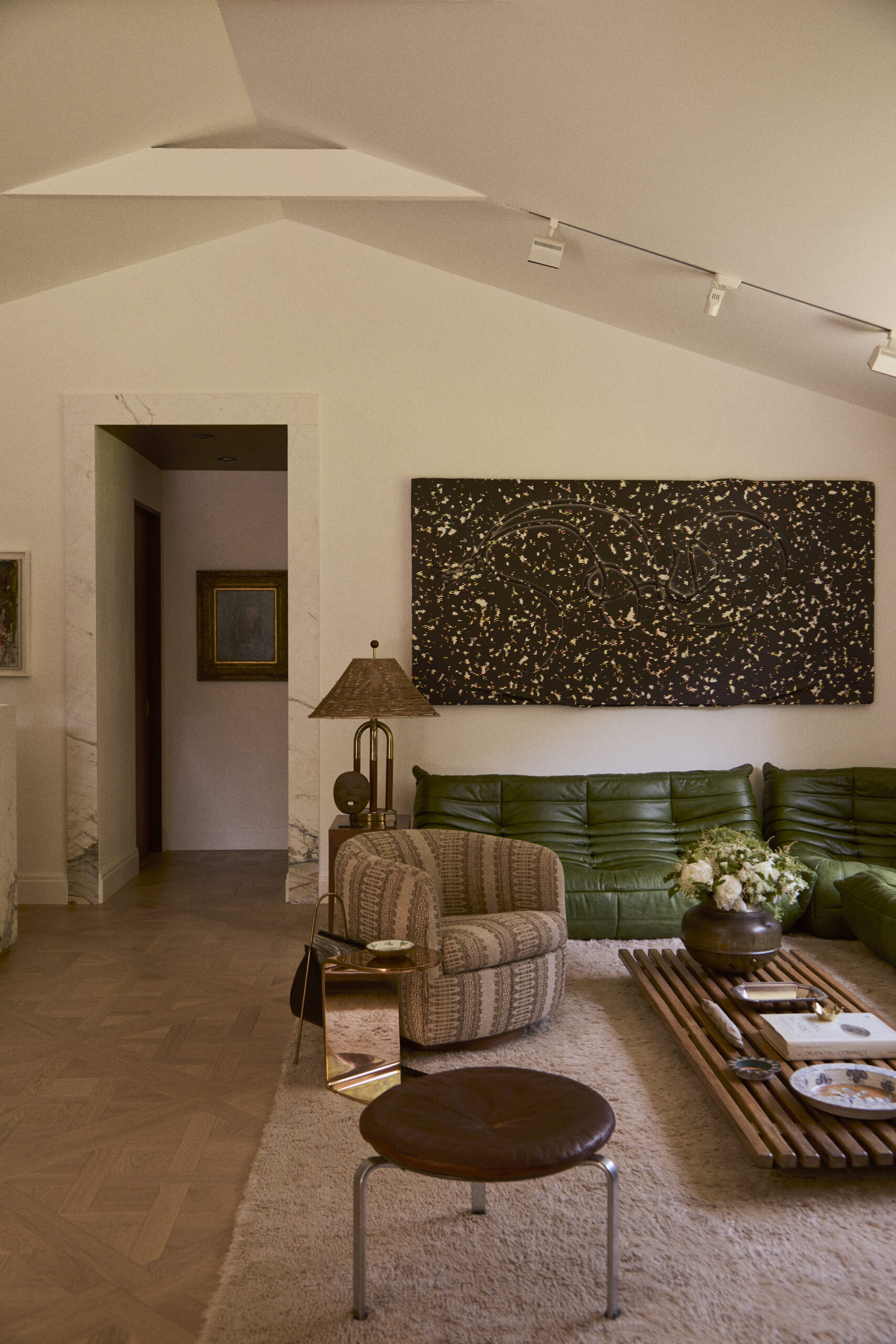
Teeters: In my home, I’m in complete control of every element. The feeling of a painting or sculpture varies drastically depending on how it’s situated and the surrounding artworks—but also depending on the chair you’re viewing it from, the plaster finish of the walls, the scent of the room, the texture of the carpet underfoot, or the feeling of the coffee cup in your hand as you view the work. This type of nuance doesn’t exist in the context of a gallery or museum, and it’s what makes living with art a very different experience.
CULTURED: What criteria do you follow when selecting the works that live on your walls?
Teeters: I want any work I live with to continuously provoke thought and questions. I need the combined effect of all the objects together to amplify this experience—making it layered and complex to unpack. This is why I love living with a range of objects from various periods of art history. Combining a Roman marble head from the third century A.D., with a Gustave Courbet portrait from 1851, with Georges Jouve and Jean Després objects from the midcentury, with a Bahinemo Garra Hook from Papua New Guinea, against contemporary works by Wade Guyton, Sherrie Levine, and Richard Prince, a powerful cocktail emerges. This layering of history is reflective of how modes of art production have shifted and changed over centuries—from the ancient techniques of marble and wood carving to the production of paintings with digital printing technologies. I live with an artist, my husband, who produces ceramics. Needless to say, the production of art is a never-ending dialogue in our household.
CULTURED: What’s one work in your home that you have had an evolving relationship with?
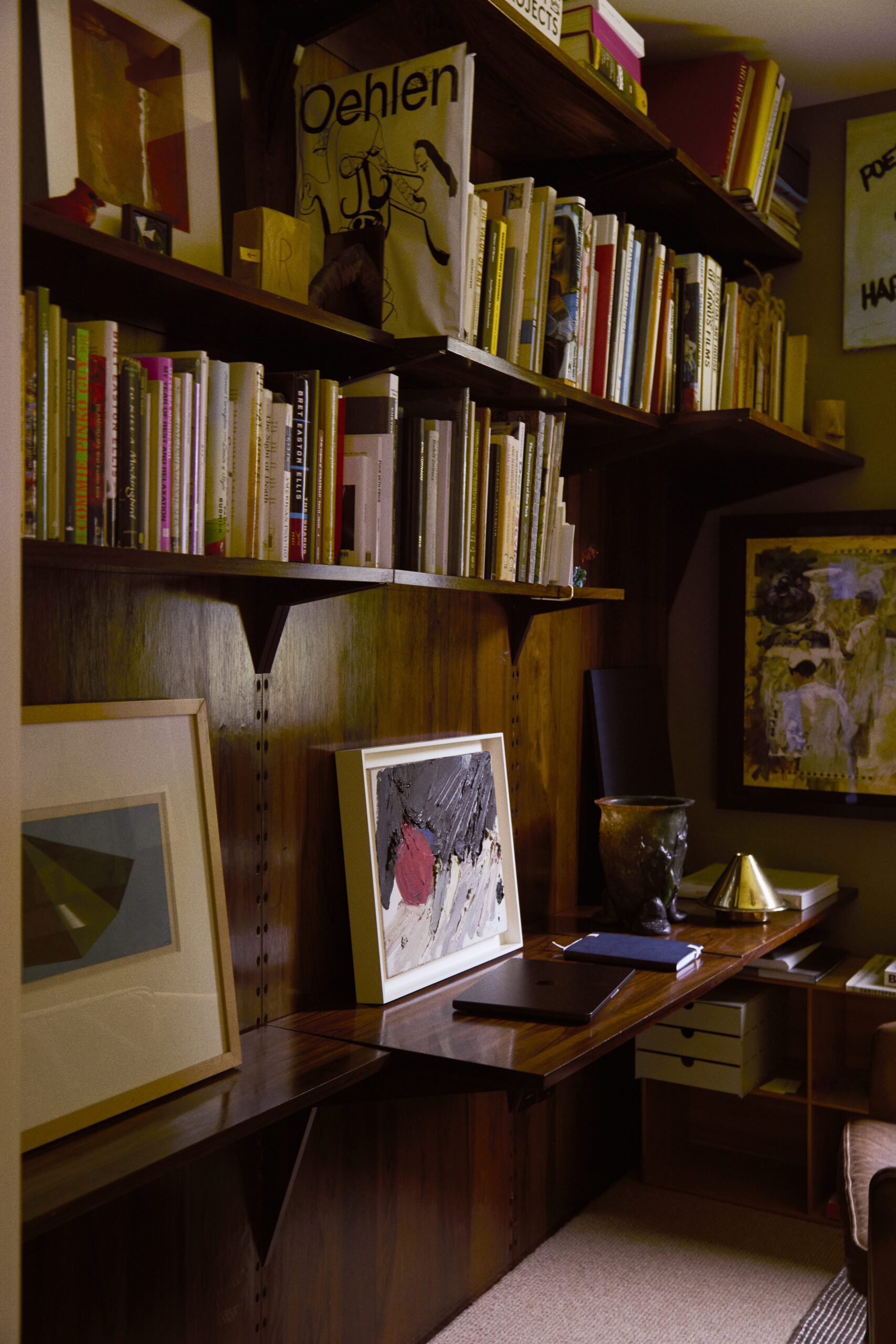
Teeters: That would be the 1958 landscape painting by Manoucher Yektai. I advise the Yektai Estate, and this particular piece was one of the early paintings I saw in Yektai’s former Upper West Side apartment that became instantly embedded in my mind. Yektai started spending time in the Hamptons in the 1950s, and went on to make many abstracted landscape paintings using rural New York, Pennsylvania, and Vermont as material. Many of his landscapes were painted from memory rather than plein air or from photographs. Even though this painting is titled Pennsylvania Landscape, I see so much of the Hamptons landscape that surrounds my house today.





 in your life?