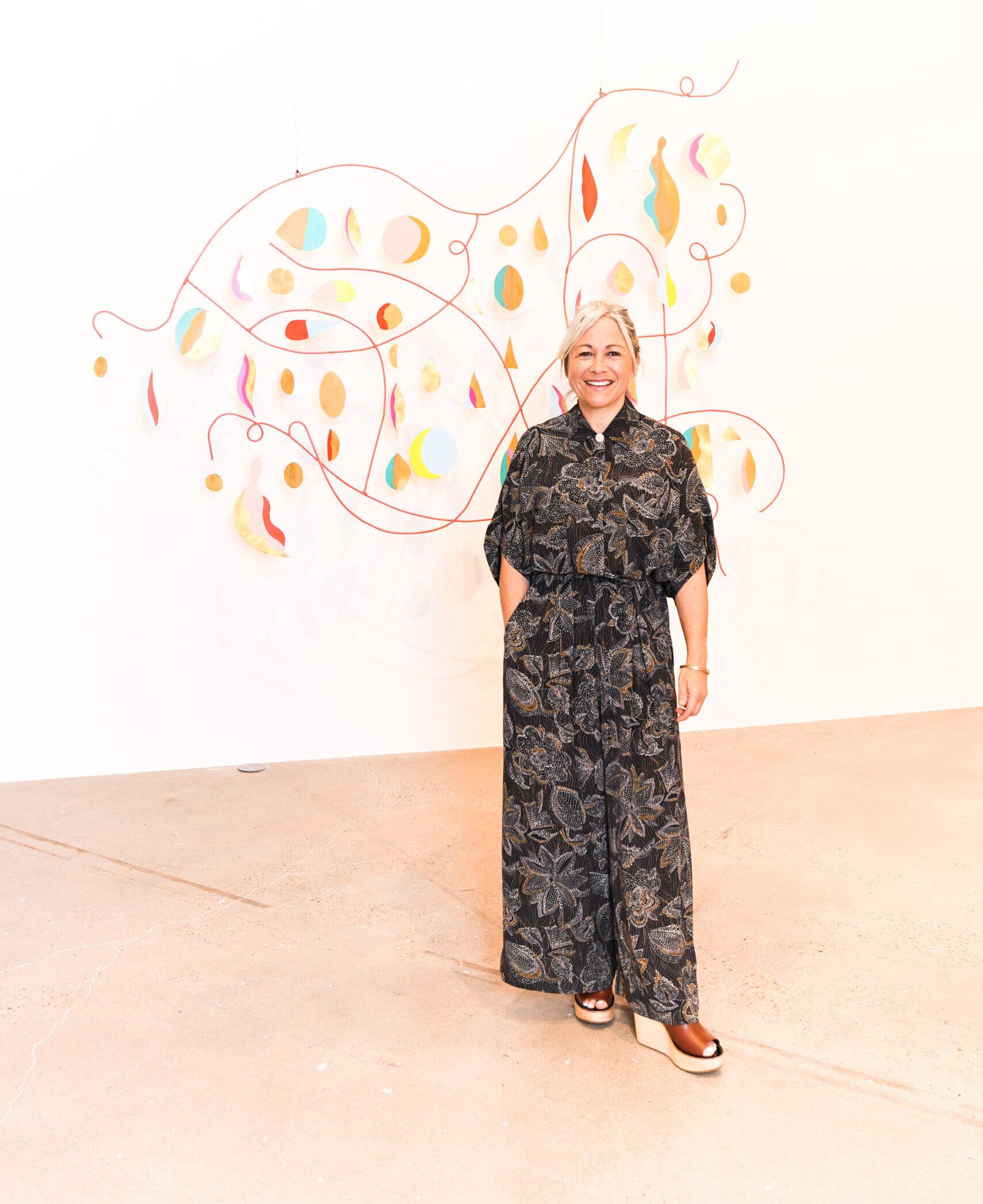
When sharon maidenberg arrived at the Contemporary Austin as the Ernest and Sarah Butler Executive Director & CEO in the summer of 2020, things were, to put it mildly, in flux. But out from that period of shutdowns and rollbacks came an opportunity to rethink what a museum could provide for its community.
Maidenberg came to Austin after 10 years leading the Headlands Center for the Arts, near San Francisco. Chosen for her experience working with living artists and turning mission-driven thinking into action, she’s guided the Contemporary Austin through a period of strategic and cultural renewal: expanding accessibility, doubling down on sustainability efforts, and redefining the museum’s civic role. In conversation with CULTURED, she looks back on what’s changed—and where she’s taking the museum next (including a sneak peek at a much-anticipated Sable Elyse Smith exhibition next spring).
CULTURED: This year marks your five-year anniversary as director and CEO of the Contemporary Austin. How do you feel the institution has evolved under your leadership?
Wow, five years is both a blink and an eternity! So much has happened since I took my post at The Contemporary Austin in the summer of 2020.
Importantly, we survived the pandemic; deepened our programming to align with where Austin is today; undertook a comprehensive mission, vision, and values, as well as a strategic planning initiative; expanded our offerings for visitors and the kiddos and schools we support through our education programs; implemented accessibility offerings starting with the construction of an ADA ramp and most recently with a whole suite of offerings for the visually impaired and the neurodivergent community; took on a meaningful sustainability effort thanks to our partners at Teiger Foundation and Rute Collaborative; and last but not least, took on the work of advocating for the arts in Austin as the city evolves.
Earlier this month we hosted our annual Art Dinner, which is such a meaningful event in support of the city’s arts community that we look forward to every year. Proceeds support our exhibitions, award-winning arts education initiatives, and community building public programs. As The Contemporary Austin is the only museum in Austin solely dedicated to contemporary art, Art Dinner is such an important way of supporting living artists and the work being made today. The evening featured our Benefit Art Auction with incredible works by world-renowned artists, including Turner Prize winner and 2026 Venice Biennale UK Representative Lubaina Himid, returning to the museum after her 2024 exhibition as recipient of the Suzanne Deal Booth / FLAG Art Foundation Prize. We also had pieces by icons like Ed Ruscha, Austin’s own artists like RF. Alvarez, and many more — overall, it was a beautiful celebration of the moments that bring people together through art.
Moving forward, I am so excited to double down on bringing rigorous, thought-provoking, and moving projects to our spaces and focusing on elevating the conversation around the importance of the arts civically and economically as cities grow and change.
CULTURED: Could you tell us about the exhibitions currently on view? What are some of the key considerations that guide your programming at the museum?
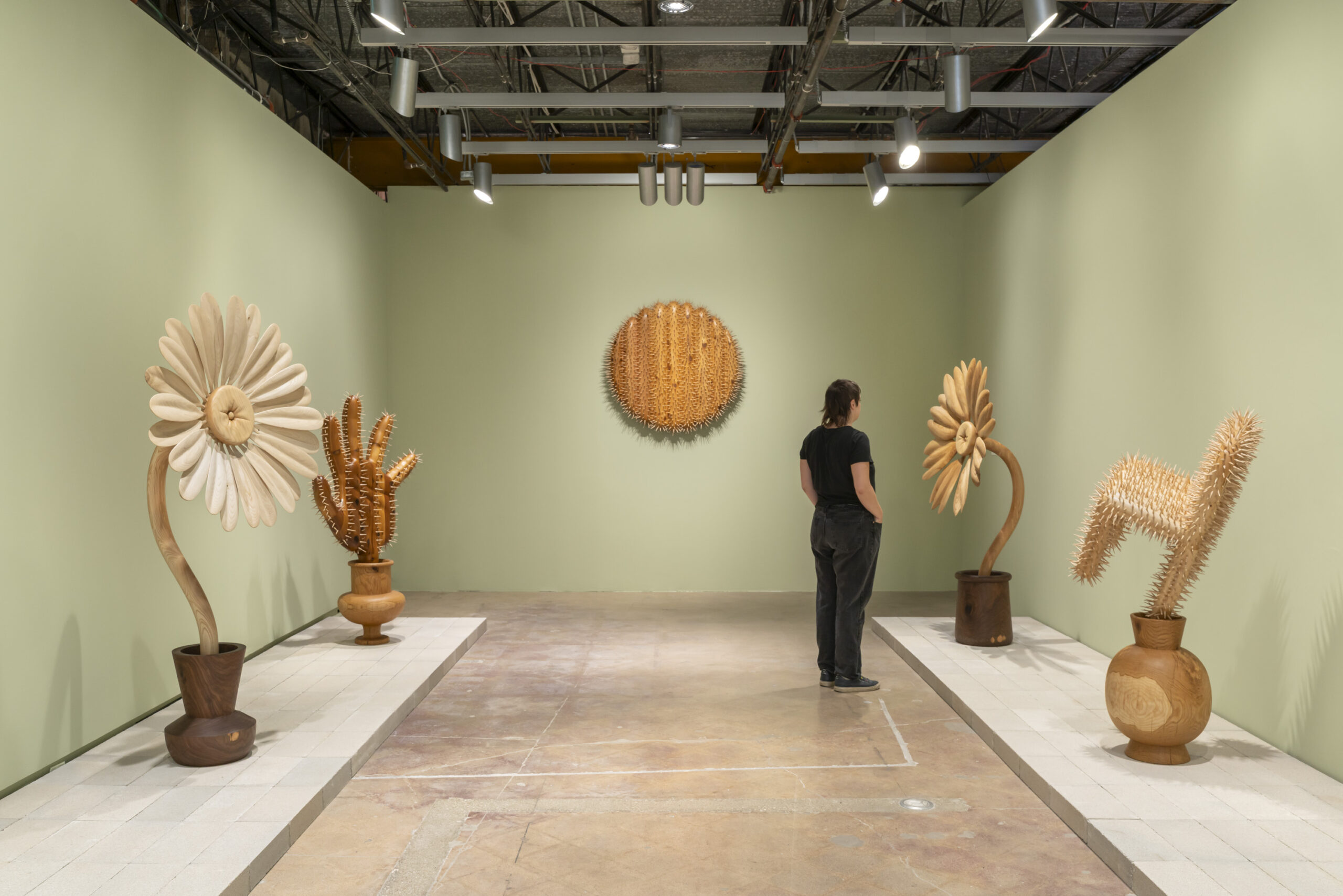
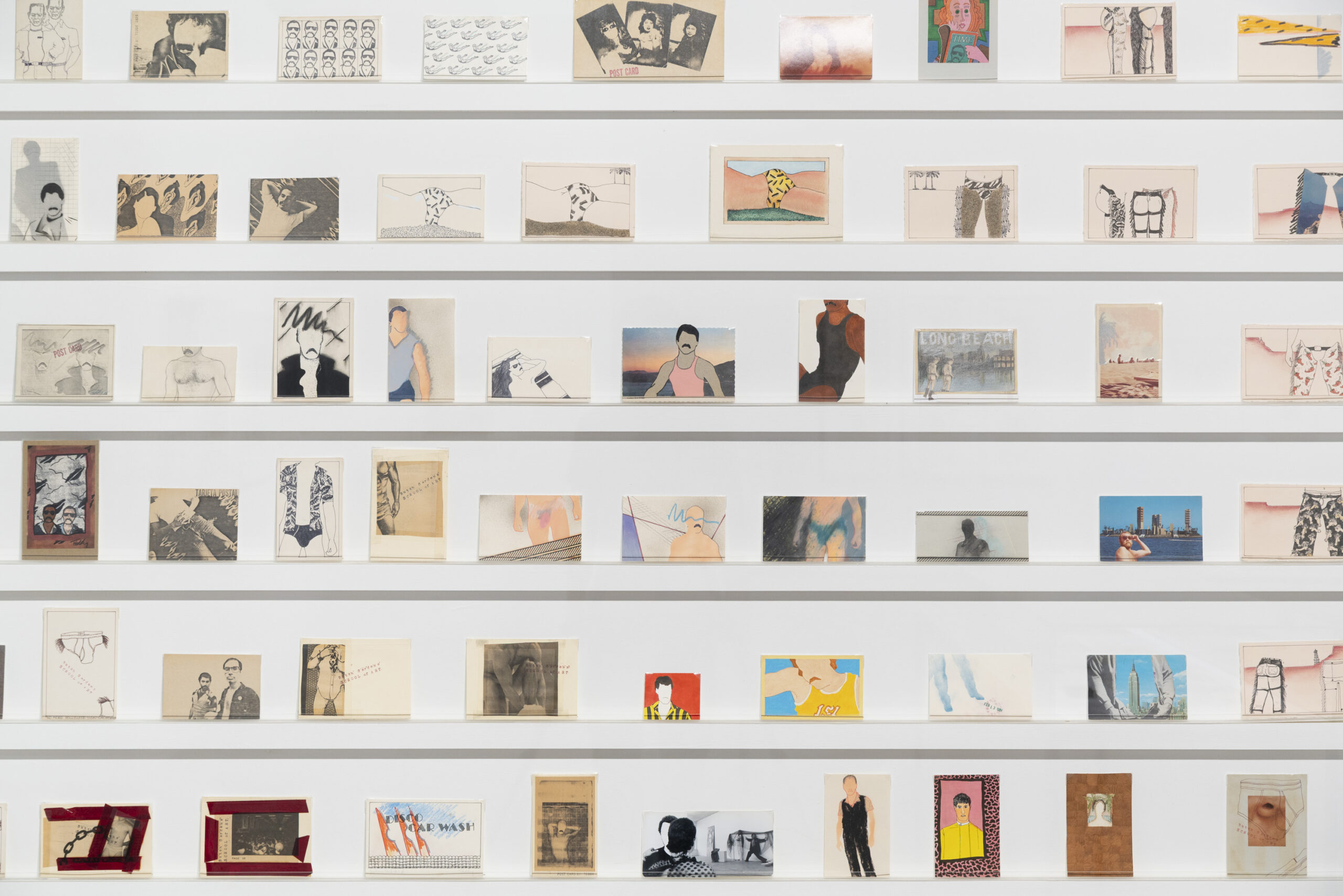
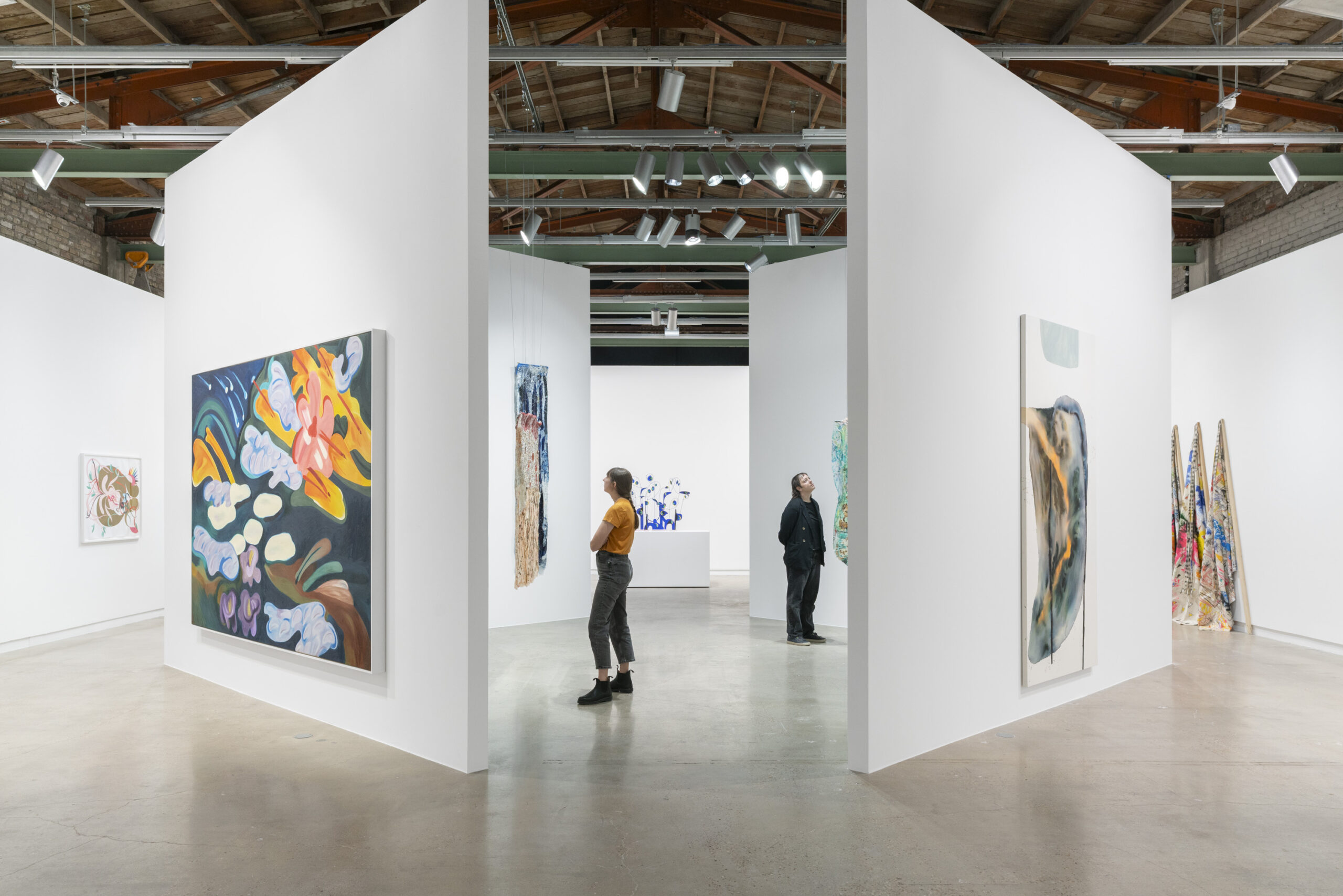
maidenberg: We have three gorgeous, powerful exhibitions on view currently. We aim to bring projects that represent a myriad of perspectives, narratives, and modes of production, and this season is a great example. Between “The Canvas Can Do Miracles,” a group show that highlights abstract painting as a form of visual communication, “HOST: Raul De Lara,” a solo show of new works by an incredible sculptor working with native wood species, and “Teddy Sandoval and the Butch Gardens School of Art,” the first museum retrospective of the queer Chicanx artist, our offerings this season bring together a wonderful mix of beauty, complexity, personal history, and artistic formality that I believe is the sweet spot for museum visitors today.
It’s also important to note that our curatorial efforts work in tandem with our programming and education offerings. We think of the exhibitions and the artists in them as a starting point for engagement and learning opportunities all season long. So, whether it’s an artist talk, a hands-on making activity, or a film series, we tend to create a long tail to each of our projects, inviting folks to keep coming back.
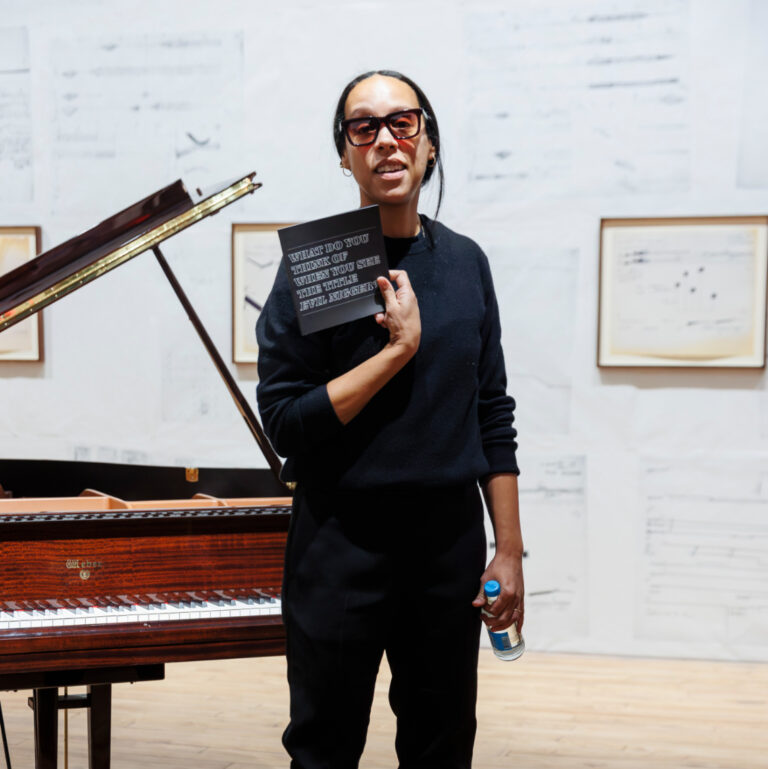
CULTURED: Sable Elyse Smith will show at the museum next spring, as the winner of the biannual Suzanne Deal Booth/FLAG Art Foundation Prize, which includes $200,000, a scholarly publication, and an exhibition in Austin and at the FLAG Art Foundation in New York. From your perspective, what makes the award such a unique platform for both artists and audiences?
maidenberg: First and foremost, the sheer generosity of the prize is astounding, and the financial element makes this a truly transformative event in the receiving artist’s life. The other key ingredient is the care and commitment with which our curatorial team works with each artist, giving them the freedom and support to imagine an exhibition and catalog that are ambitious and memorable for them as well as for audiences. The last piece that’s unique is that the project has a presentation in Austin and New York, a cross-organizational approach that enables the work to be amplified across the country.
CULTURED: What about Smith’s work feels especially urgent or resonant at this moment, both locally and more broadly?
maidenberg: Smith’s work confronts the hidden structures of power, control, and inequality across the nation. Her attention to how authority and access are constructed resonates with Austin’s evolving social landscape. On a broader scale, Smith examines how language and design shape ideas of endurance, hierarchy, and exclusion in public and cultural spaces. Her art turns the often-invisible systems of power into something visible, helping audiences recognize how these structures shape our shared experiences. The strength of her work lies in its quiet precision. It reveals the patterns of control that can seem natural or inevitable, encouraging viewers in Austin and beyond to notice how these systems are maintained, and how they might be undone.
CULTURED: What do you hope the prize will unlock for Smith as she enters this next stage of her career?
maidenberg: She is already operating at such a high level, with genre-crossing projects, institutional support, commercial success, and national recognition. This exhibition represents the artist’s first major solo museum show in Texas, which aligns with the Prize’s ambition to provide a defining moment in the artist’s career. For Sable, I hope this feels like both the recognition she deserves and an invitation to bring her practice to new audiences.
CULTURED: The prize is unique in offering not just significant financial support, but also a major exhibition that travels between Austin and New York. How does this dual presentation shape the impact for both the artist and the institutions?
The collaborative spirit of the prize – between the donors, the institutions, the artist, the advisory committee – make it unique amongst artist prizes. Showing the work in both Austin and New York allows the project to be a bit iterative, to reach wider audiences and to amplify beyond one context.

 in your life?