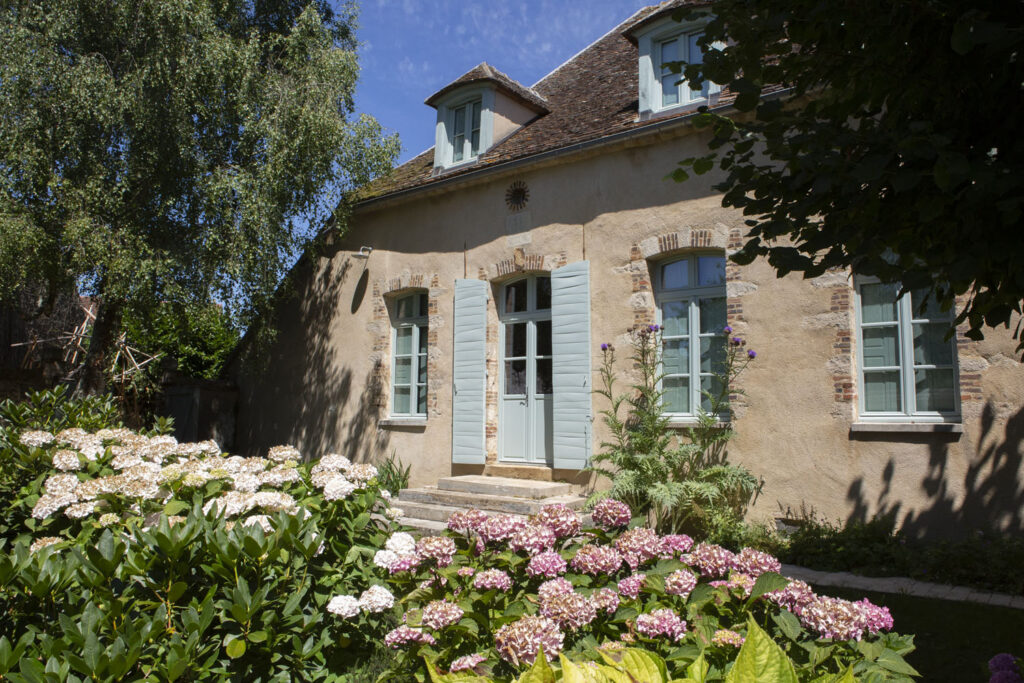
When I ask Axelle de Buffévent what her 18th-century house in Burgundy means to her, she responds instantly with a Virginia Woolf reference: “It is a room of one’s own. A place of life and creation where everything I want to share can flourish.“
From Paris, it takes only an hour by train to reach this cluster of villages in the Yonne department of central France—a haven for city dwellers in search of authenticity, connection with nature, community, and space for artistic restoration. It’s a slow life that echoes de Buffévent’s considered choices and values. “For five years, I searched for a place that felt like the real countryside, until a friend suggested I look in northern Burgundy, a sublime and largely overlooked region,” she recalls.
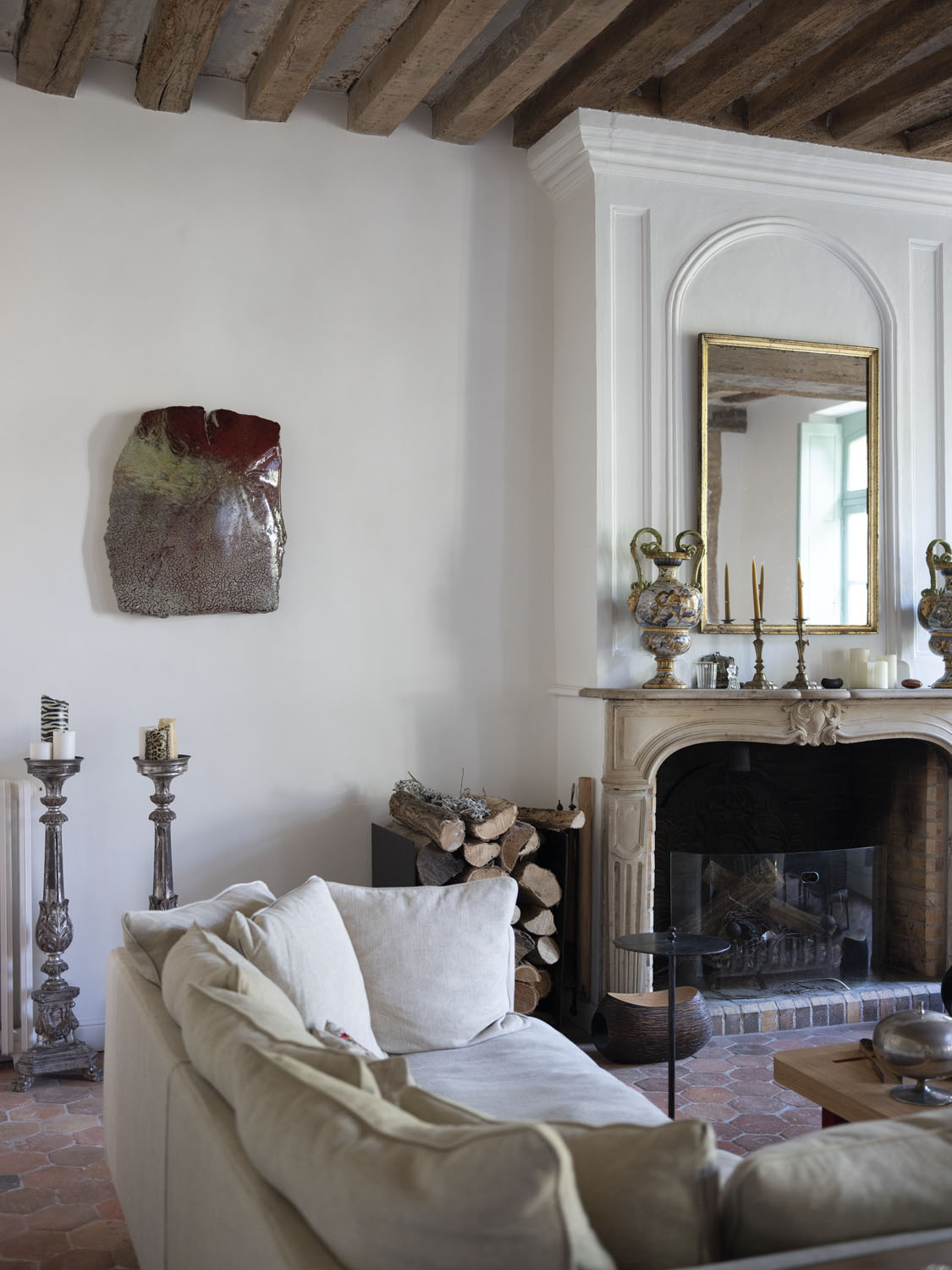
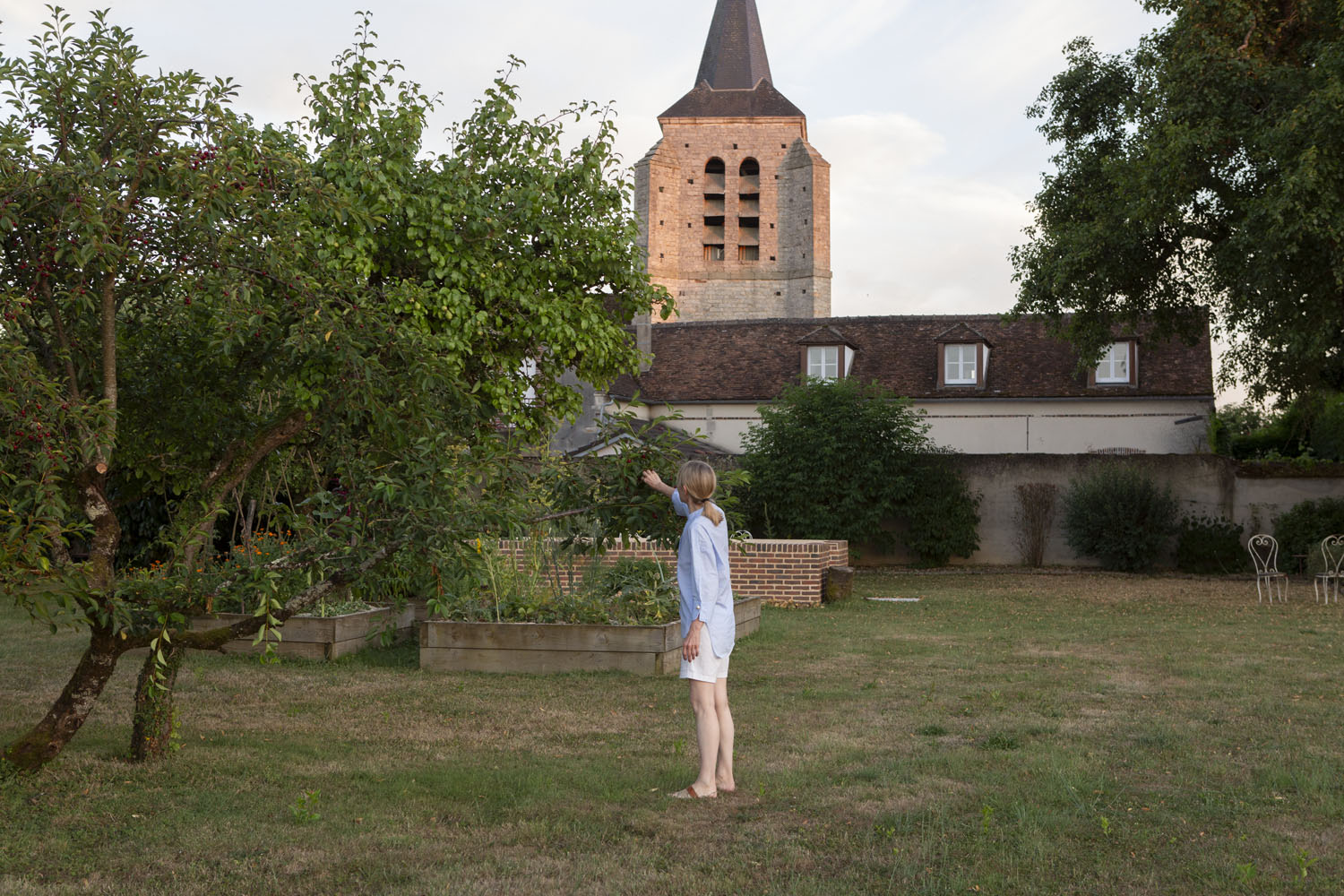
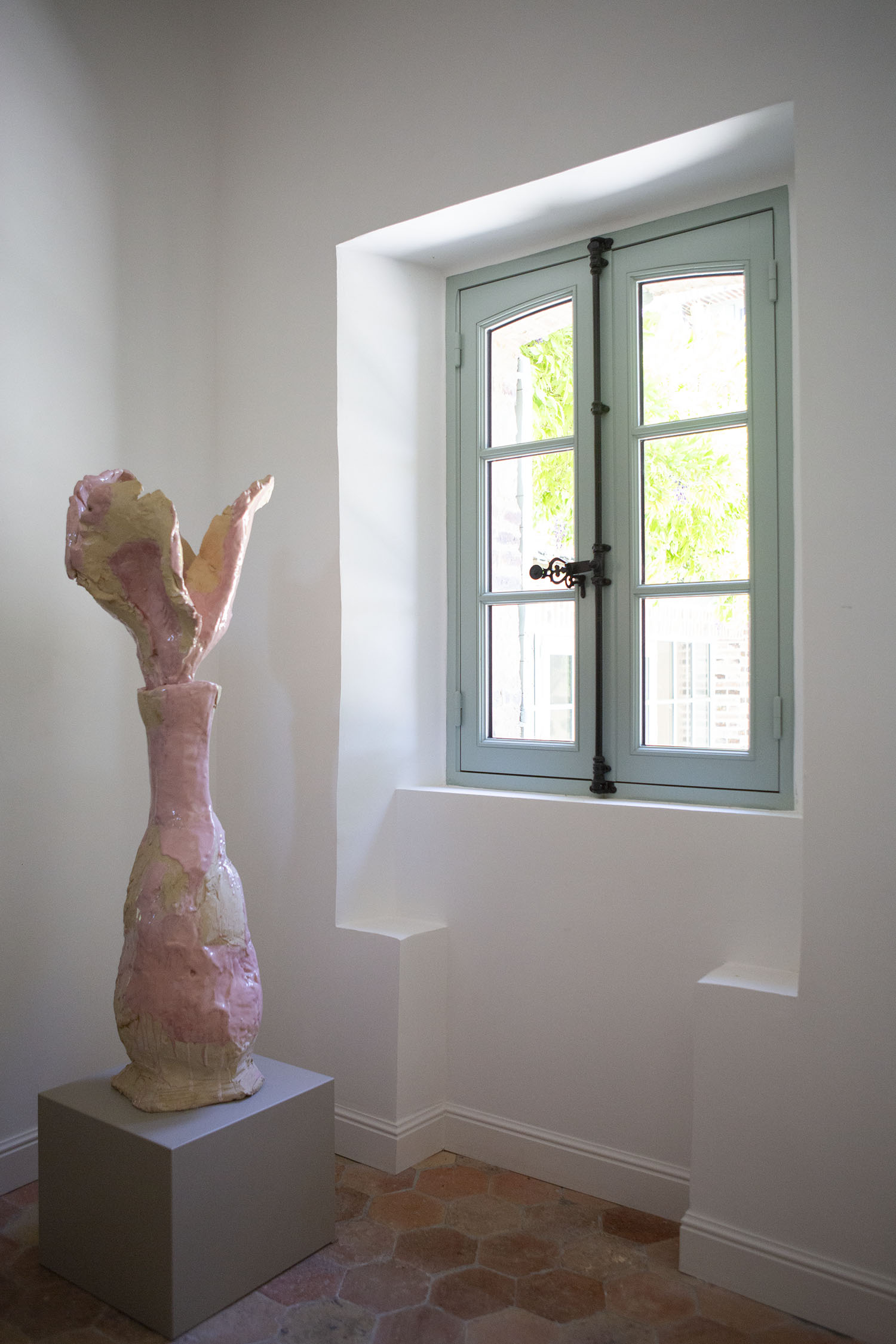
Behind a modest fence, the house opens onto a beautiful, seemingly endless garden framed by a wrought-iron gate custom-designed by blacksmith Romain Barré that looks as if it was drawn by hand and then rendered in metal. De Buffévent first discovered the property in the winter of 2018. “It was raining in Paris. I lit a fire and came across photos of this place online. It was owned by an art-world photographer from the 1950s and ’60s, and was filled with works by [Pierre] Alechinsky, Olivier Debré, [Robert] Combas, and [Cy] Twombly. Was it the art or the house that spoke to me?” she muses. “Likely both. There was charm, the right proportions, and walls steeped in history—the building dates back to 1748.“
“Some places are cradles of creativity—Barbizon, La Sainte-Victoire, Pont-Aven. This area is lesser known, but it’s the same.” —Axelle de Buffévent
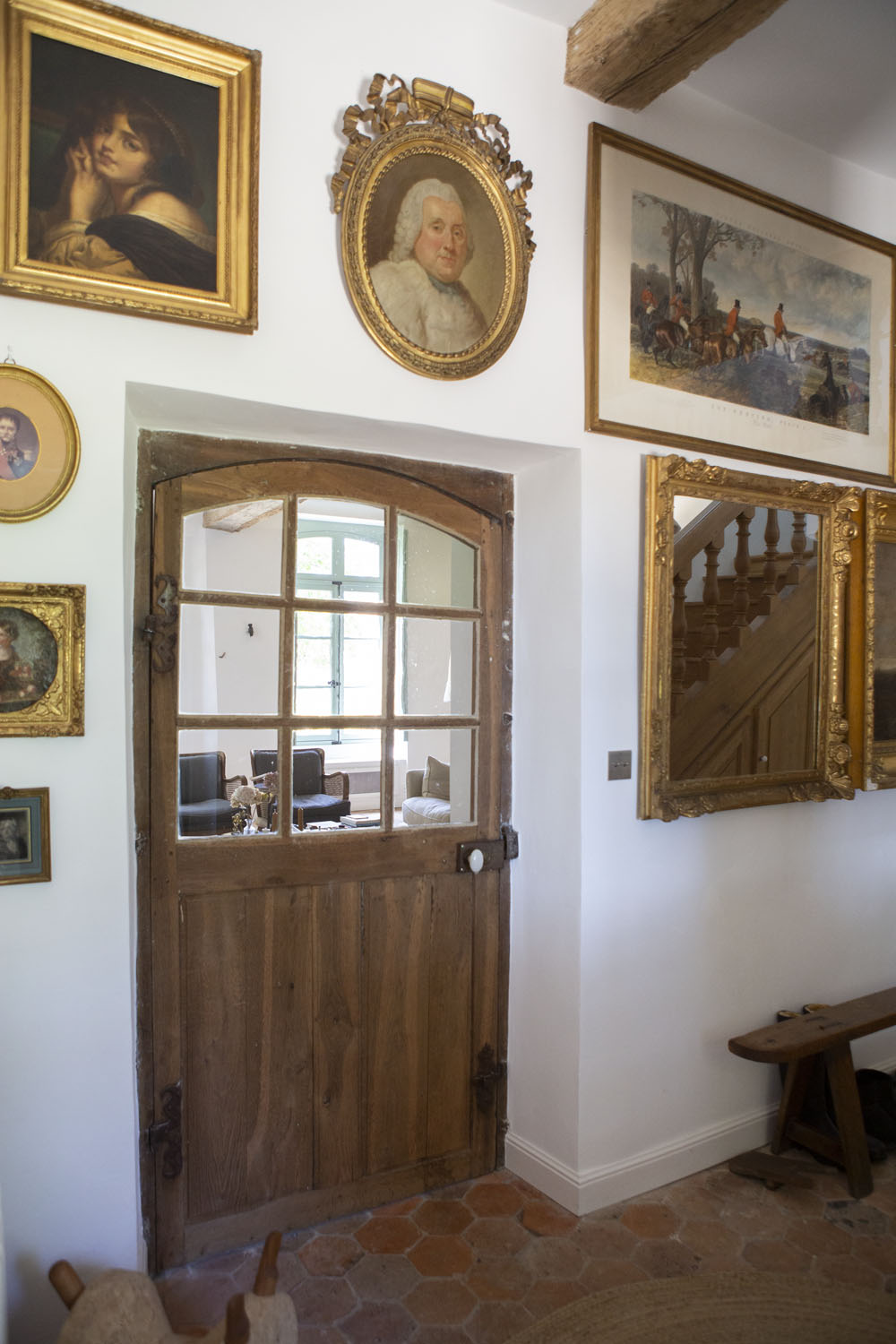
For months, she came every Saturday, sitting alone in the empty living room and imagining her future life. Those familiar with de Buffévent’s personal and professional commitments know that she will move mountains in the name of her creative vision. For one thing, all the artisans she worked with to restore the house came from within a 15-kilometer radius. De Buffévent entrusted the oversight of the project to her friend, Gaël Lunven, whom she met when studying at Penninghen in Paris—she in art direction, he in architecture. “He has always decorated my apartments. He knows me, knows my tastes. It has to be beautiful, warm, welcoming. Sophisticated but not too much. And quite authentic.” The result? A sense of coherent eclecticism—an oxymoron, yes.
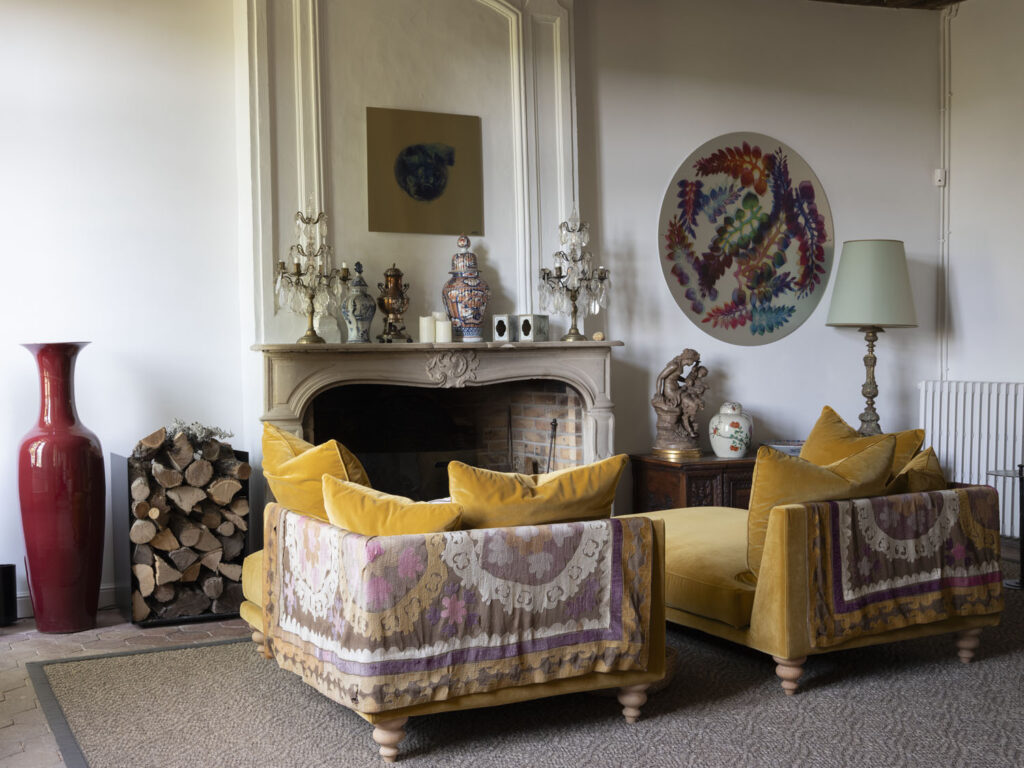
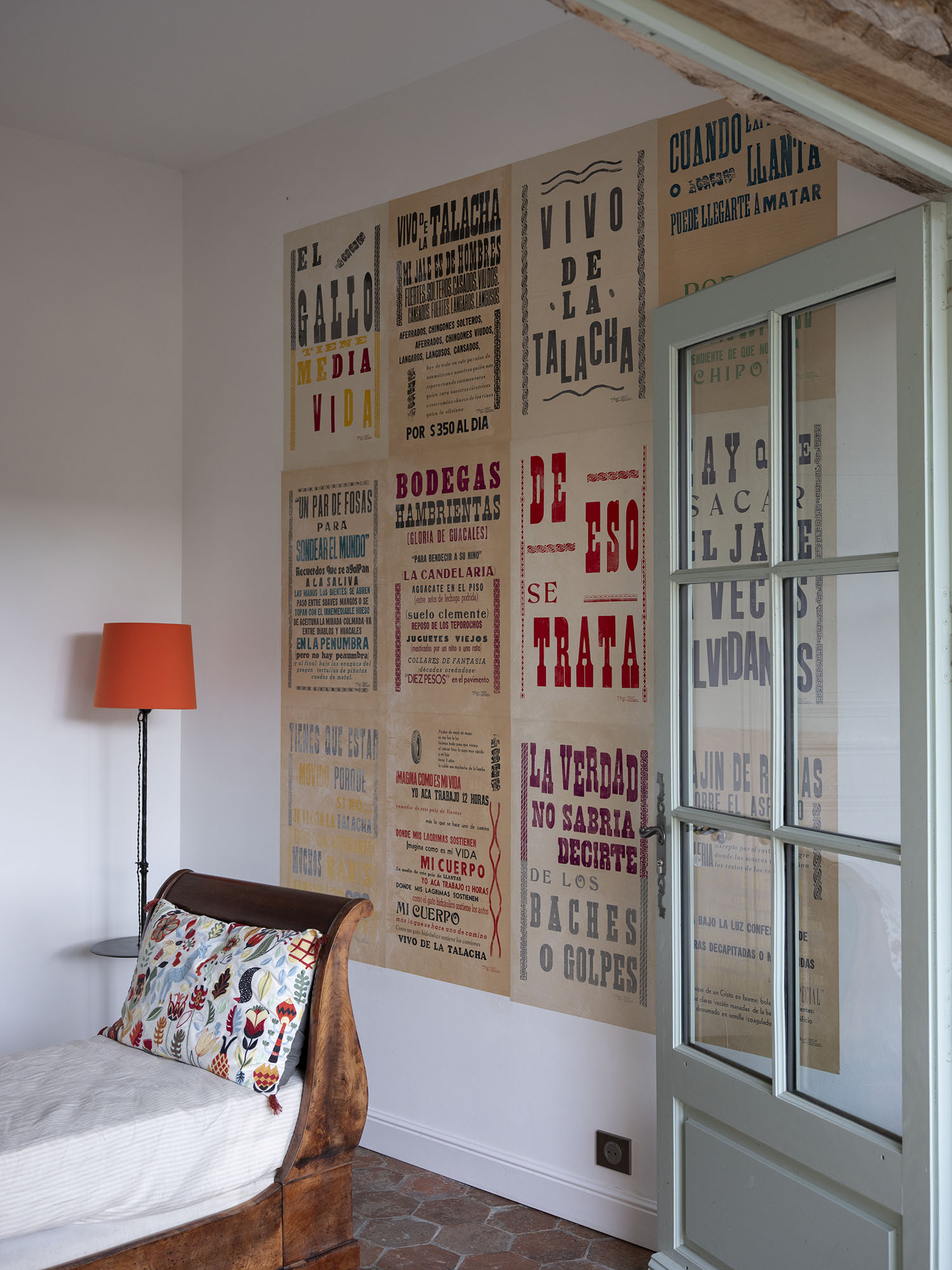
A few generous sofas, a Sergio Rodrigues armchair, and Le Corbusier’s LC4 chaise longue are surrounded by carefully chosen memories: hand-printed Mexican posters, 18th-century terra-cotta tiles, small “fireplace end” benches commissioned from the wood sculptor François Lelièvre, petit-point chairs embroidered by her father, 18th-century Uzbek suzani, and cushions from the Lebanese design studio Bokja. “Mostly, it’s paintings and objects I love and grew up with,” she says, “works by designers and artists such as Bethan Laura Wood, Noé Duchaufour-Lawrance, and Mathieu Mercier.“
“I lit a fire and came across photos of this place online. It was owned by an art-world photographer from the 1950s and ’60s, and was filled with works by Alechinsky, Olivier Debré, Combas, and Twombly.” —Axelle de Buffévent
During the summer of 2020, as pandemic lockdowns swept France, de Buffévent decided to move in—even though only her bedroom and bathroom were finished. “I was living in a construction site, working remotely. Friends would come to stay, to breathe. It was so joyful that it allowed me to see the house as my home, not a weekend getaway, and validated my plans to change my current balance and spend more time here in the future. Of course, it also accelerated my encounters with the local artistic community, whose works now interact with the house: Barré, Lelièvre, Claudie Laks, Clémence van Lunen, Juliette Agnel, and Gilles Gerbaud.”
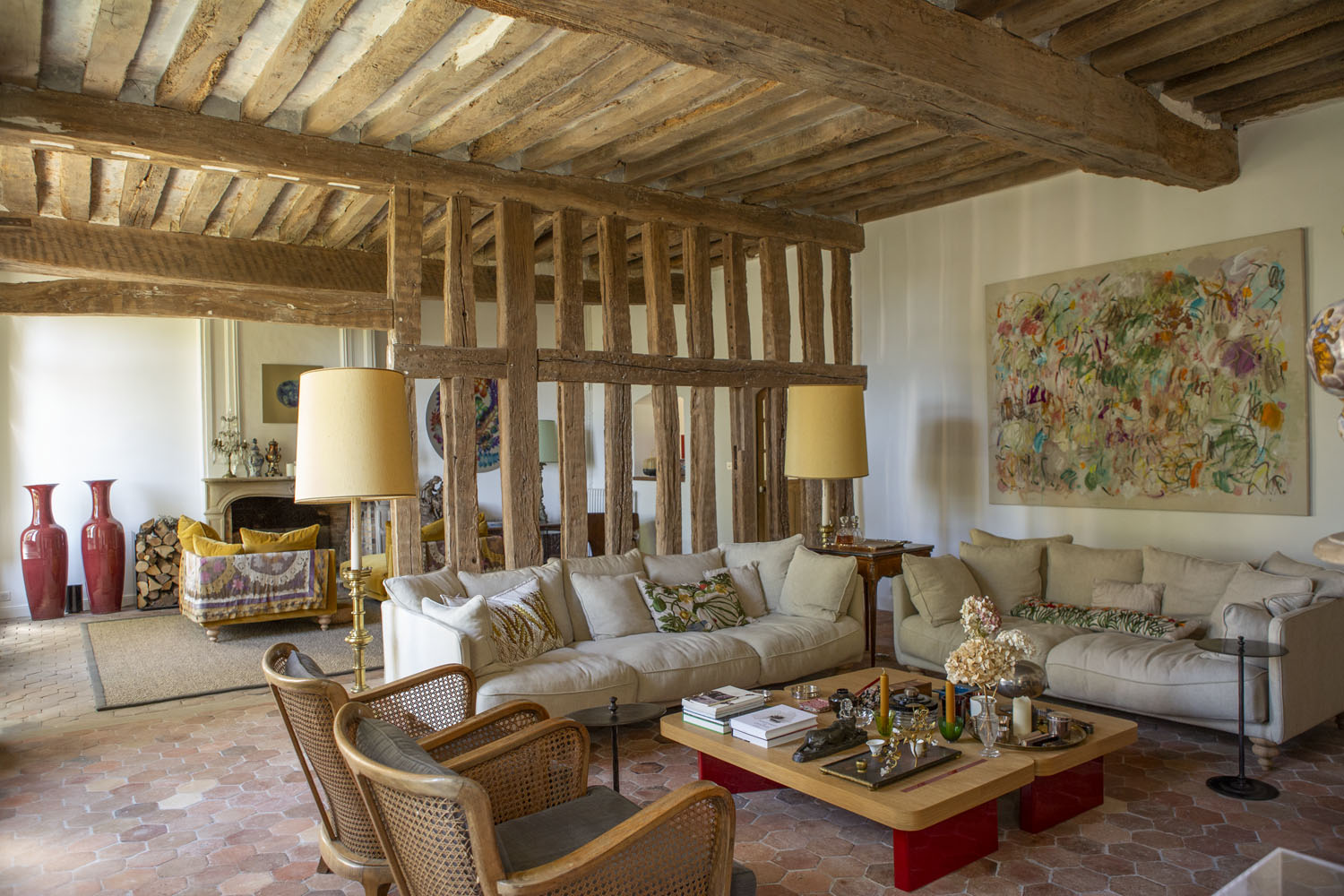
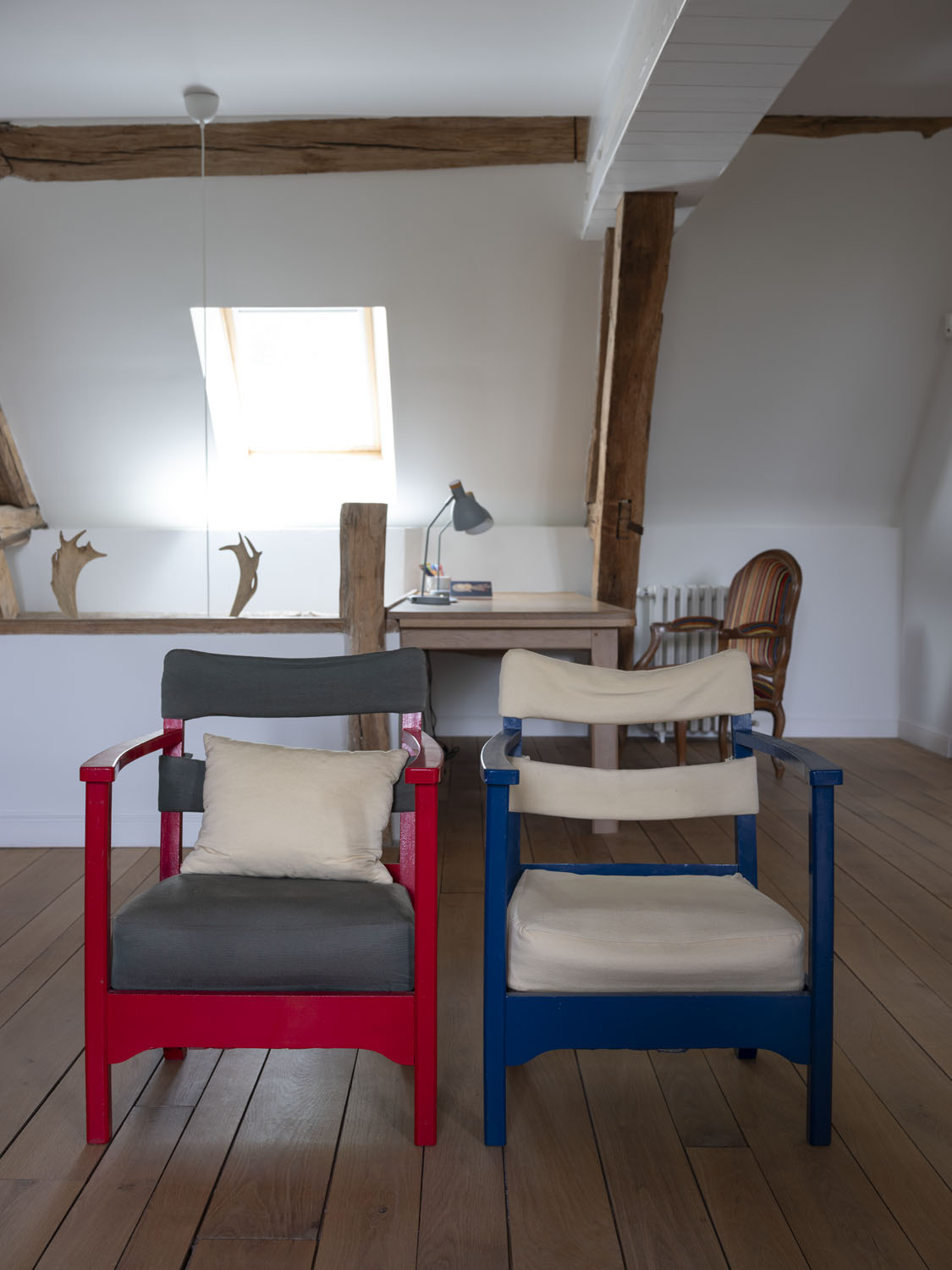
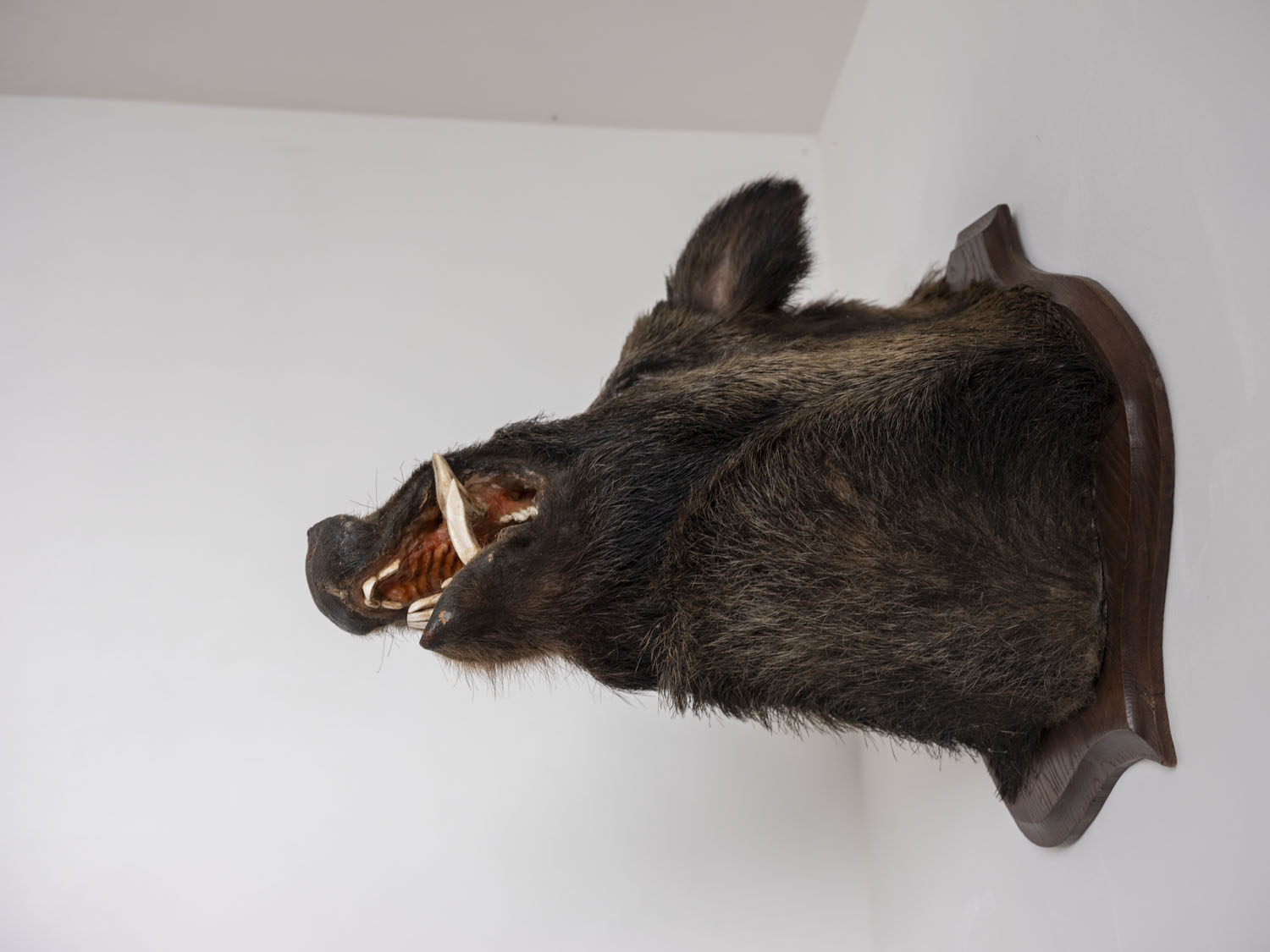
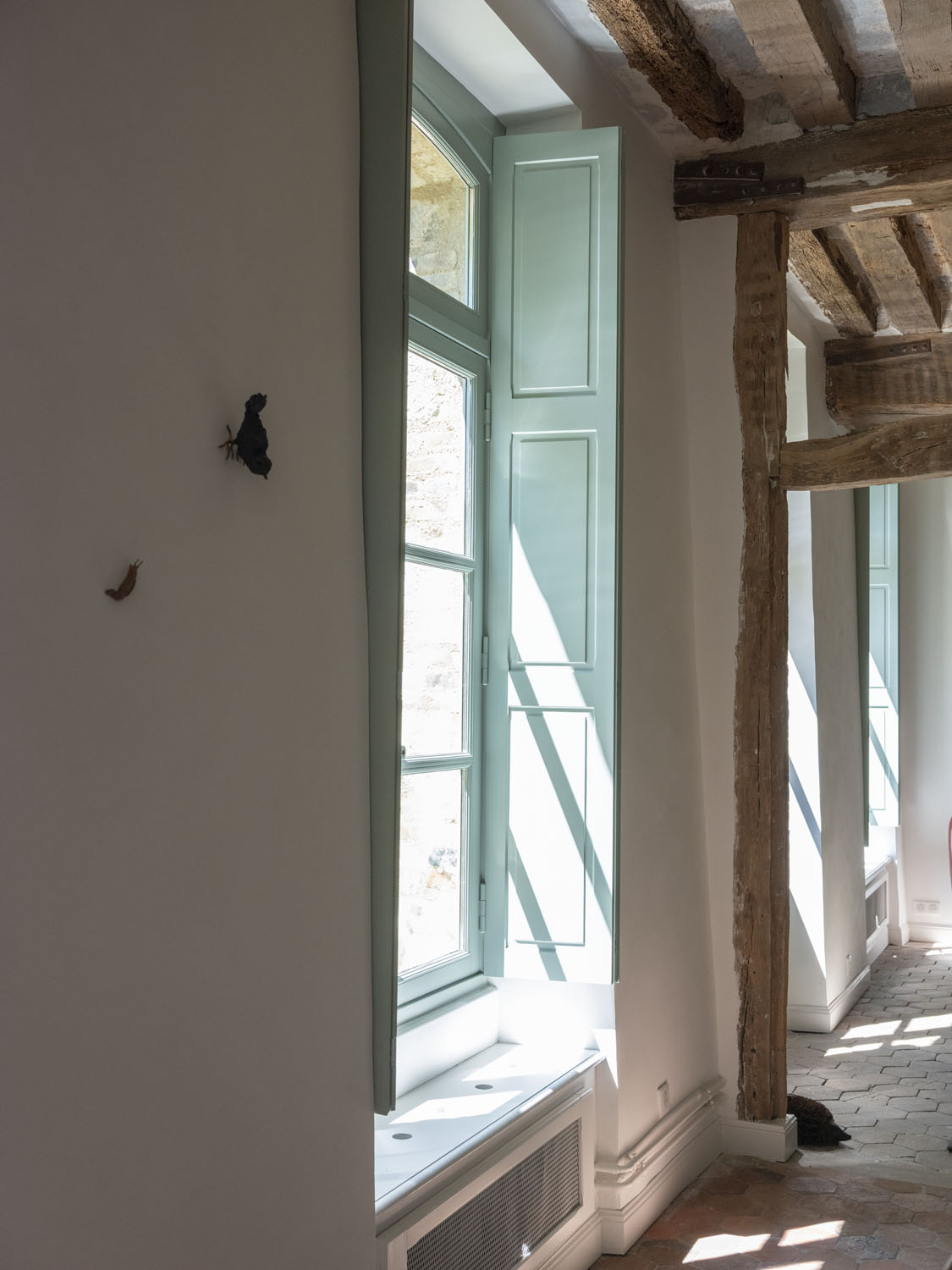
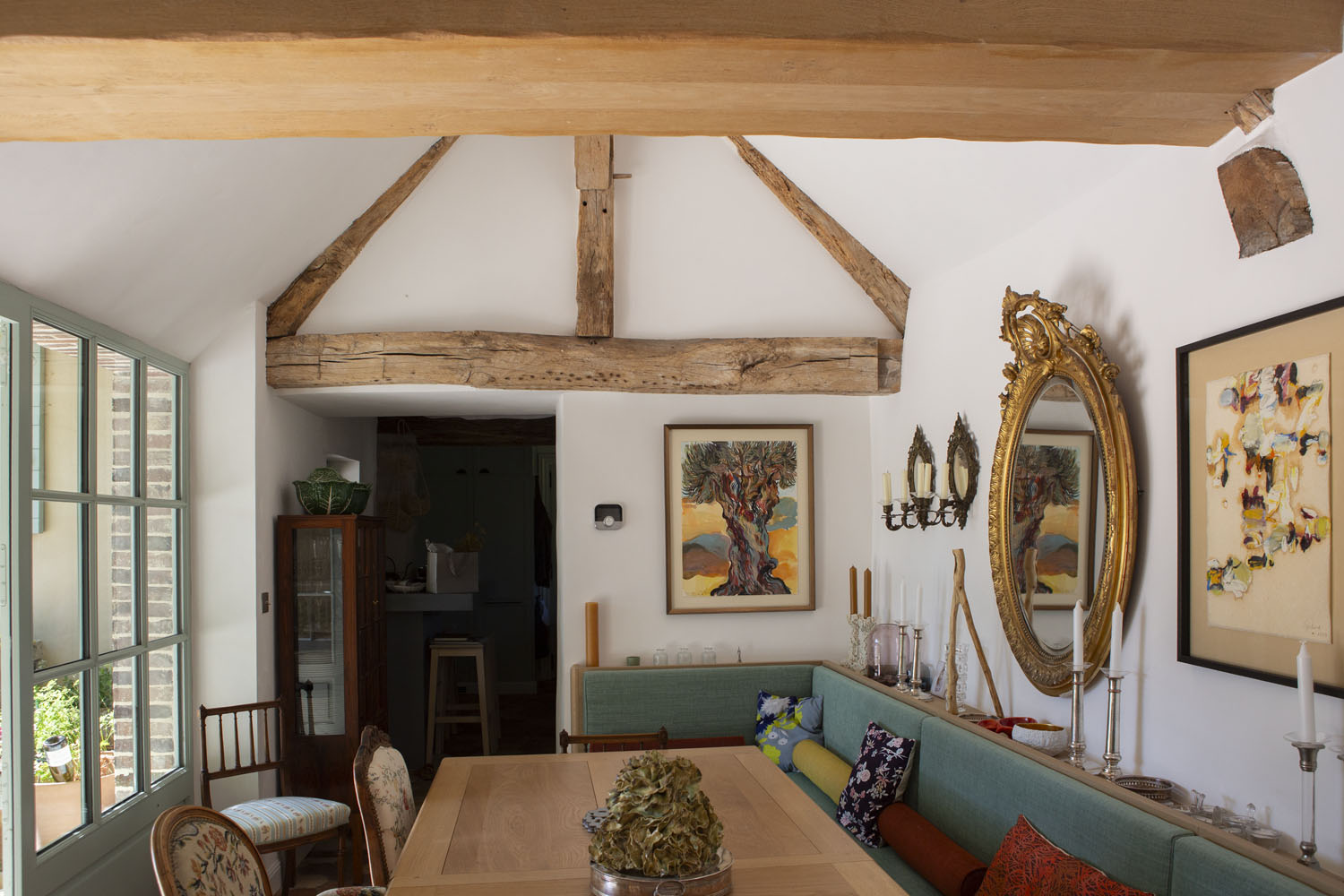
On the subject of the region’s artistic legacy, de Buffévent could go on for hours. “Some places are cradles of creativity—Barbizon, La Sainte-Victoire, Pont-Aven. This area is lesser known, but it’s the same. La Revue Blanche was based in Villeneuve-sur-Yonne. Jean-Louis Gerbaud, whose work is currently being rediscovered, lives a few kilometers from here. Jean-Pierre Pincemin had his studio in Sens, and for a while brought the whole Supports/Surfaces gang here with him.”
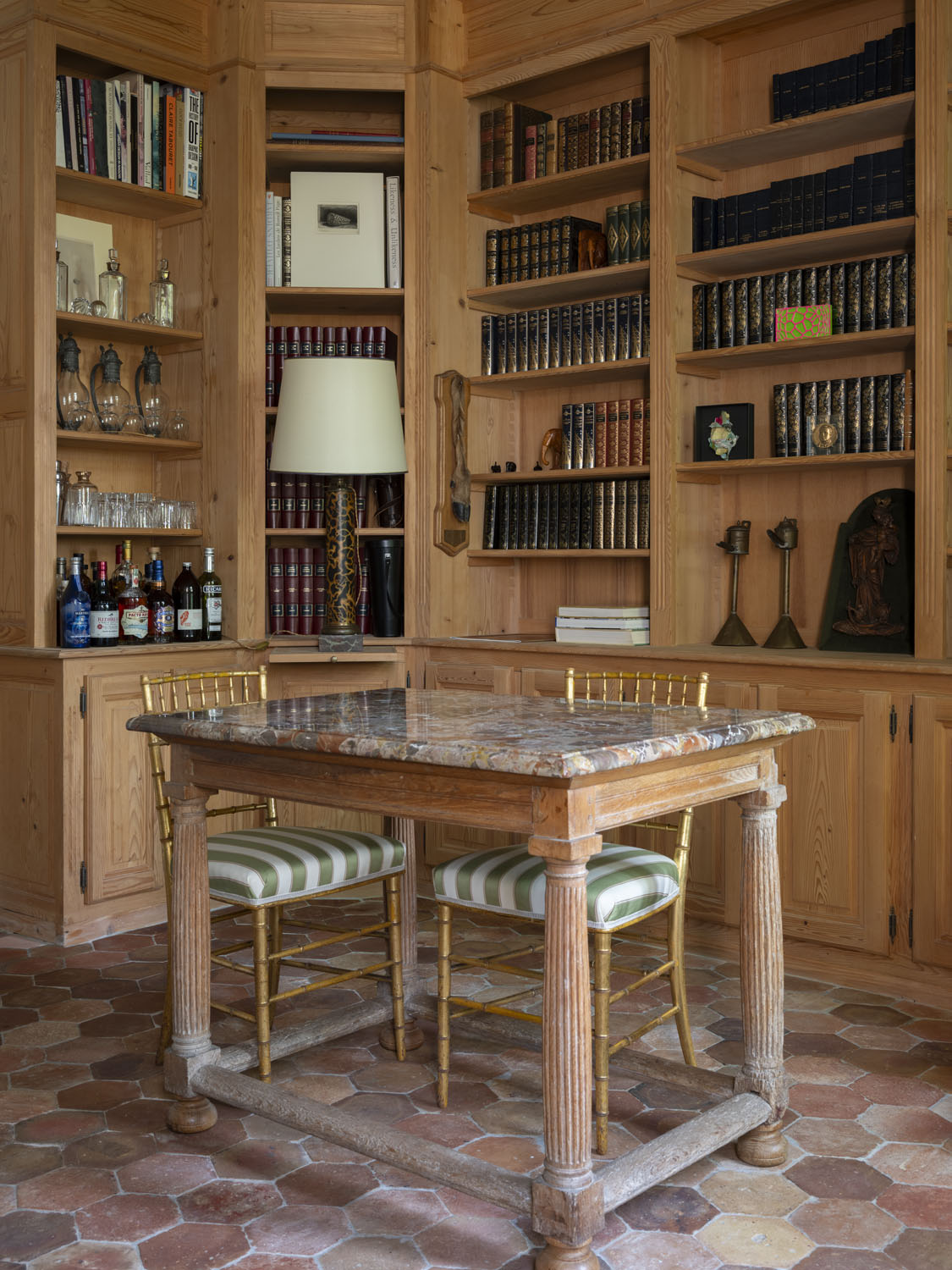
Three small Pincemin paintings have settled on the wall of the dining room—once an old barn—where friends gather for lively conversations and meals cooked with vegetables from the garden. “In this house,” de Buffévent reflects, “there is an alignment between what I envisioned and what is. That brings a sense of gentleness.” A place of one’s own, then, and with its gate forever open.




 in your life?