In a prelude to Paris Art Week seemingly pulled straight from an Arsène Lupin story (or the Netflix adaptation, one of the biggest French cultural exports of the decade), the Louvre was forced to close on Sunday after the daytime heist of jewelry Napoleon III had given to his wife, Eugenie. The operation, which happened in under 10 minutes, has underlined existing issues at the most-visited museum in the world—understaffing and a shortage of surveillance cameras among them—that commenters are already tying back to the hornet’s nest that is currently French politics. (In one of the more extreme comments, Jordan Bardella, the president of the Rassemblement National, France’s far-right party, wrote on X last night, “Jusqu’où ira le délitement de l’Etat ?” Or, how far will the breakdown of the state go?)
Two kilometers from the Louvre, a starkly less apocalyptic vision of the country’s place as a bastion of culture will be unveiled at the Grand Palais for the fourth edition of Art Basel Paris. Featuring 63 galleries with locations in France out of the 206 total, the fair is the tent-pole event of a week stacked with exhibition openings, public programs, curated dinners, gallery pop-ups, press previews, buffet lunches, magazine launches, artist collab unveilings… You name it, the art world will invite you to it. To cut through the noise, we asked 10 people who call Paris home every day of the year where they flock to and avoid, what’s changed and what hasn’t, and who really runs the city.
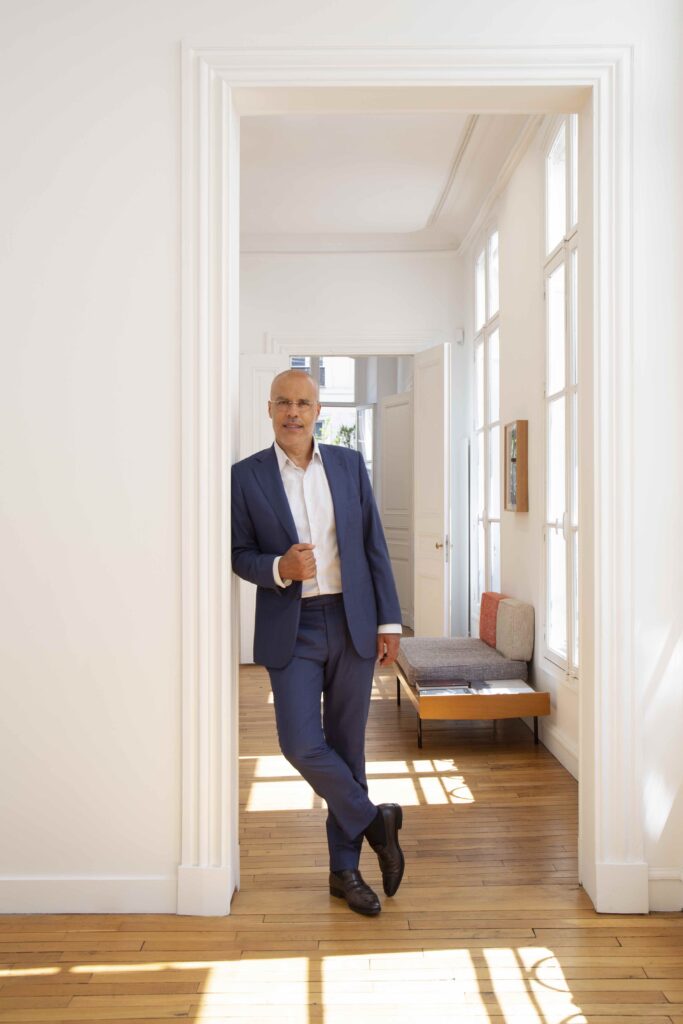
Kamel Mennour, gallerist
Where do you go to be moved in Paris?
To the musée du Louvre, to stand before La Mort de Sardanapale, 1827, by Eugène Delacroix. Its chaos, beauty, and violence strike me every time. The scale, the drama, the emotion—it’s a painting that confronts you with the power of art to unsettle and move.
What’s an opinion you’re sick of hearing circulated about the Paris art world?
That Paris was asleep for years. Paris was never asleep. It was just working in a different rhythm, rooted in history. Now it’s vibrant in a different way, but the depth was always there.
What’s the best thing that’s happened to the Paris art world in the last decade?
Paris has become a true crossroads again—welcoming global voices while staying rooted in its unique culture. With major international galleries arriving, revitalized institutions, and new fairs like Art Basel Paris, the city feels both freshly global and unmistakably Parisian.
The worst thing?
Perhaps the pressure for speed—the art world moves too fast now. We need to protect time for reflection, for artists to grow.
If you could bring back three Parisians who are no longer living for an art-world salon, who would they be? What would you discuss?
I would invite Alberto Giacometti, Paul Durand-Ruel, and Gertrude Stein—respectively the artist, the gallerist, and the collector—each representing a crucial pillar of the art world. They are true icons and intellectual mentors in a way. I would be deeply curious to hear what they would think of today’s art market—its global reach, its speed, its reliance on social media.
What three places would you recommend a guest to visit while in town for Art Basel Paris?
One should definitely visit the Musée d’Art Moderne de Paris, to which we are making an exceptional donation of 180 artworks, to be exhibited in 2027; the Bourse de Commerce, where there is currently a beautiful show on Minimalism curated by Jessica Morgan [director of the Dia Art Foundation], featuring Lee Ufan and François Morellet; and finally, one cannot miss the Louvre: not only for its collections, but also for its openness to contemporary art, with a new special video installation by Mohamed Bourouissa.
Where do you steer clear of during the week?
Parties. During fair week, I try to avoid distractions and stay fully focused on the work—the artists, the collectors, my team, and everything that makes the event come together.
Who inspires you the most in Paris?
My five children. Their curiosity and energy remind me to stay creative and grounded. They inspire me each day to keep pushing forward and focus on what truly matters.
Mennour has three shows on view this Paris Art Week: “Response” by Lee Ufan at the gallery’s avenue Matignon location, “Du Cercle aux Carrés, Hauts-Reliefs Situés et In Situ” by Daniel Buren at the gallery’s rue Saint-Andrés de Arts location, and “Microclimats” by Ruoxi Jin at the gallery’s rue du Pont de Lodi location.
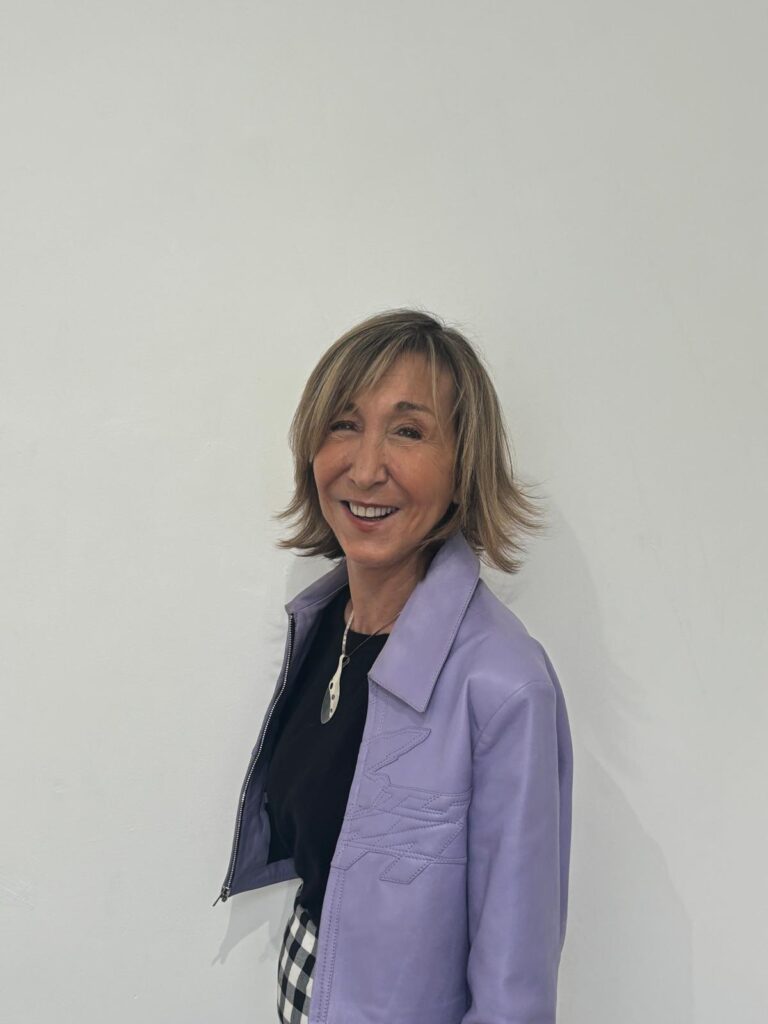
Patricia Marshall, art advisor and collector
Where do you go to be moved in Paris?
Galleries and museums, always.
What’s the most underrated place to see art in Paris?
The Musée de l’histoire de l’immigration at the Palais de la Porte Dorée, which features great shows. “Picasso l’Étranger,” curated by Annie Cohen-Solal, was one of the excellent ones.
Who is the biggest power player in the Paris art world these days?
Bernard Arnault and François Pinault.
Where do you go to eat after you’ve been fed artistically?
Cibus or Yen.
What’s the best thing that’s happened to the Paris art world in the last decade? The worst thing?
The best: Brexit, which led to the installation of many galleries in Paris. The worst: Paris mayor Anne Hidalgo’s urban policies have created challenges for accessing the Marais district, particularly for international visitors.
What’s your favorite art-world watering hole?
What three places would you recommend a guest to visit while in town for Art Basel Paris?
La Bourse de Commerce with “Minimal,” the Fondation Louis Vuitton with “Gerhard Richter” and the Grand Palais for “Niki de Saint Phalle, Jean Tinguely, Pontus Hulten.”
What’s the happening you’re most excited for this week?
The opening of the Fondation Cartier in the heart of the city.
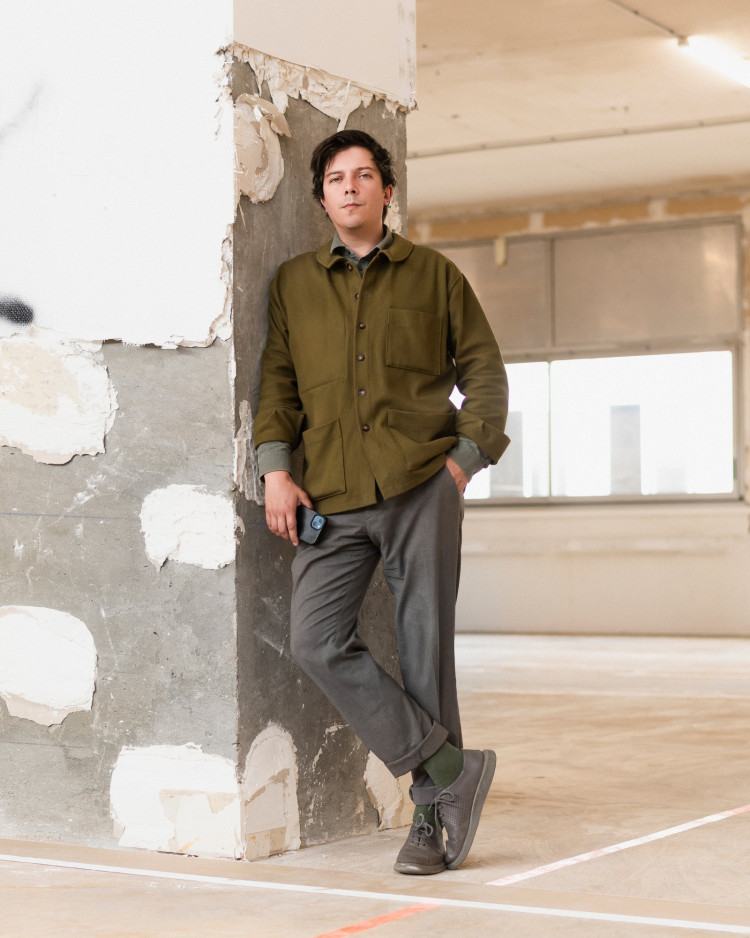
Yvannoé Kruger, curator and director of Poush
What’s the biggest sign of change you’ve seen in the Paris art scene recently?
Paris has always been fortunate to attract artists from all over the world, but what’s happening now feels like a genuine comeback. Through Poush, and through the growing constellation of artist-run spaces and studios spreading across the city and its surroundings, you can sense how Paris has regained its magnetism. Following artists from Latin America, North Africa and the former Soviet Union, it is incredible to see artists from London, Berlin, and New York now deciding to move here, alongside many others from across the globe. Just five years ago, it was often the other way around. This mix brings a contagious energy, and I truly think it is one of the most exciting times for artists in Paris in a century, a time that once drew Picasso, Chagall and Brancusi.
Where do you go to be moved in Paris?
Sometimes it happens right in the centre, at the Square du Vert-Galant, at the very tip of the Île de la Cité, where the city feels both eternal and fragile. But most often, what moves me now is further out, in the outskirts of Paris. Meeting artists in their studios in Aubervilliers or Saint-Denis often feels more genuine than any museum visit. These are the places where Paris keeps opening up, slowly, through conversations and shared moments. There is a sense of openness and sincerity that reminds me of why I care about art in the first place.
Who is the biggest power player in the Paris art world these days?
What defines Paris right now is the tension between two forces. On one side, a still-powerful but fragile public network that continues to support artists who may not produce works easily sold in galleries, but whose voices are strong and whose practice helps write the history of art. On the other, private institutions who have expanded their influence, sometimes filling the gaps left by the public sector. The Fondation Pinault, which many expected to fail when it opened so visibly in the centre of Paris, has actually done a lot of good. Beyond its remarkable architecture, it offers a sharp, young and captivating cultural program. But in the end, the real power players in Paris are the artists themselves, the ones who have come from all over the world and made the city their home again.
Where do you go to eat after you’ve been fed artistically?
I often start with Le Maquis, on the other side of Montmartre. The food is rooted in tradition but never predictable. There’s a touch of experimentation, an exceptional wine list, and a quiet intensity that makes you want to stay longer than you should. Then there’s Café Les Deux Gares, just above Gare de l’Est. It’s a mix of precise, surprising cooking and the atmosphere of a classic railway brasserie.
What’s an opinion you’re sick of hearing circulated about the Paris art world?
That the Paris art scene is too intellectual or nostalgic. It’s an easy cliché, often repeated by people who don’t spend time with artists here. The conversations are alive, political, funny, and full of contradictions. It’s not about theory, it’s about life, and it’s happening now.
Who throws the best art world parties in Paris?
Mendes Wood DM throws the most dangerous ones in the best possible way, which is exactly why we love them. Galleria Continua, of course, has always known how to throw a truly joyful opening. But we should not forget Poush. During the fairs or our professional days, we host huge parties where museum curators, collectors, art students, resident artists, gallerists and party animals all end up together, usually by the thousands.
What’s your favorite art-world watering hole?
Probably L’Étincelle, a tiny tabac on rue Saint-Sébastien, at the edge of the Marais. It’s run by a brilliant family with a team of servers who always seem to know everyone. There’s a beautiful copper counter, good music, sometimes Italo disco, and a steady flow of artists, friends, and strangers. It’s the kind of place where you stop for a quick drink after an opening and end up talking until closing time. It’s messy, generous, a bit dangerous, and always alive, like a small, accidental community that rebuilds itself every night.
What’s the booth you’re most excited for at Art Basel Paris?
Galerie Michel Rein, showing Edgar Sarin’s new bronze works, including one inspired by Tariverdiev, a collaboration involving an Italian master moulder sent to Kobe to study the materials, before the piece was completed in France with Maillol’s historic patineur working hand in hand with the artist. The Pill, one of the most interesting galleries from Istanbul, showing an artist I really appreciate, Nefeli Papadimouli. And Galerie Allen, with a conceptual and characteristically minimal presentation bringing together some of the gallery’s best works from the past year, featuring artists such as Laëtitia Badaut Haussmann, Florence Jung, Tarek Lakhrissi, Angelica Mesiti, Mel O’Callaghan, and Daniel Turner.
For the third year in a row, the Théâtre National de Chaillot has given Poush carte blanche during Paris Art Week. On Oct. 21, from 6 to 11 p.m., five artists and choreographers will take over all the non-stage spaces of the theater with performances, installations, videos and concerts.
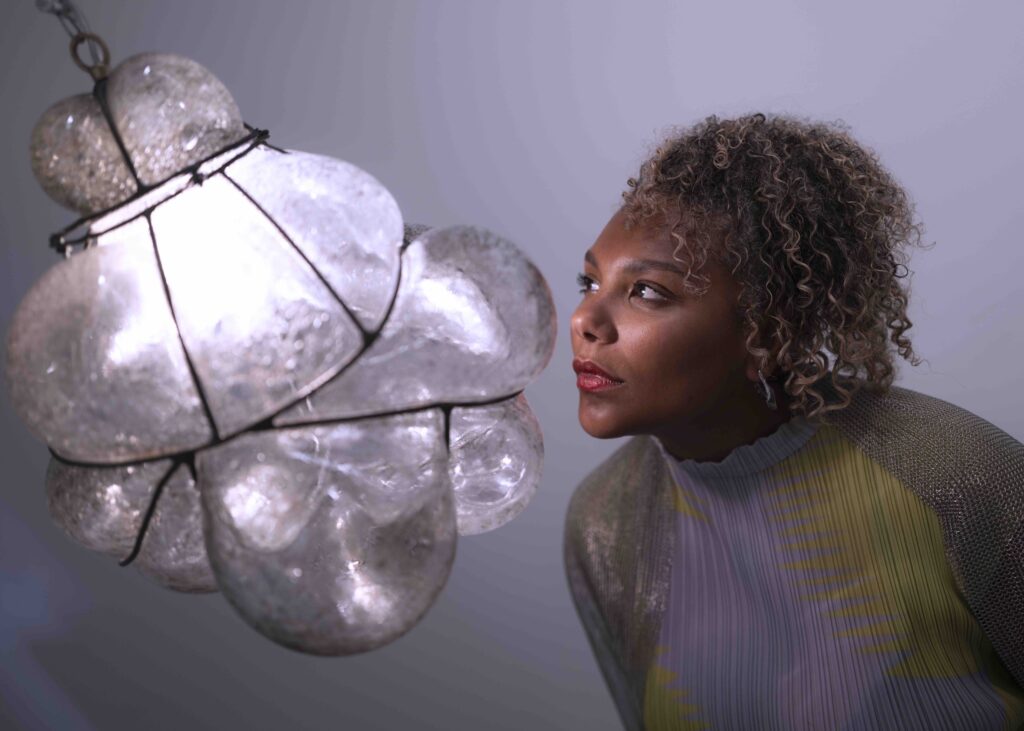
Gaëlle Choisne, artist and recipient of the 2024 Marcel Duchamp prize
Where do you go to be moved in Paris?
I like going to concerts at the Philharmonie de Paris, which has a rich and comprehensive program, and watching films in small arthouse cinemas, but in general I follow the rhythm of events, exhibitions, and concerts.
Who is the biggest power player in the Paris art world these days, in your opinion?
I think it’s a collective movement that’s moving in the same direction, rather than one person influencing the whole.
Where do you go to eat after you’ve been fed artistically?
I love eating at la Taverne de Zhao.
Who throws the best art world parties in Paris?
La flèche d’or and Parkingstone.
If you could bring back three Parisians who are no longer living for an art-world salon, who would they be? What would you discuss?
Camille Claudel, Hessie, and Louise Bourgeois. We will discuss the place of women in the art world.
What’s your favorite art-world watering hole?
La Perle.
What’s the show or happening you’re most excited for during Paris Art Week this October?
Precious Okoyomon’s solo show at Mendes Wood DM and Meriem Bennani at Lafayette Anticipations. Happenings would be Chichas de la Pensée and Poush at the Théâtre Chaillot.
Choisne’s work is on view at Kadist in “Threads of Kinship,” as well as at Air de Paris and Kaufmann Repetto’s booths at Art Basel Paris this week.
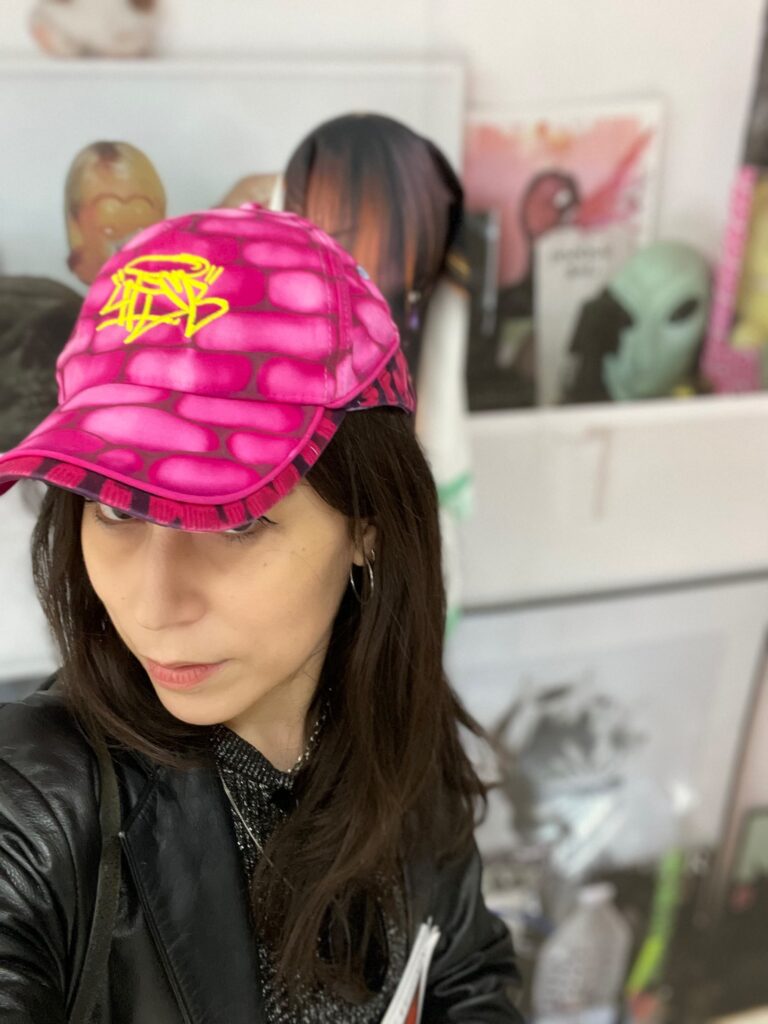
Ingrid Luquet-Gad, critic
What’s the biggest sign of change you’ve seen in the Paris art scene recently?
I am amazed by the new indie spaces that have opened these past weeks despite growing housing pressure. There is a very generational energy at Good or Trash, Good Books, and Pony in Montreuil.
Who is the biggest power player in the Paris art world these days?
The collective power of people protesting, hopefully.
Where do you go to eat after you’ve been fed artistically?
Le Bougainville, which has a nice mix of art history students, local elders, and the odd lost bibliophile.
What’s an opinion you’re sick of hearing circulated about the Paris art world?
That it’s the new Berlin.
What’s the best thing that’s happened to the Paris art world in the last decade? The worst thing?
It has gotten more international, mixed, and it has started to include its outskirts more. It also has gotten too many matcha latte places.
If you could bring back three Parisians who are no longer living for an art-world salon, who would they be?
Michel Foucault, Niki de Saint Phalle and Guillaume Dustan, but we would go dancing instead.
What’s your favorite art-world watering hole?
Everyone will probably be at La Chope, but I still have a soft spot for Jeannette.
What three places would you recommend a guest to visit while in town for Art Basel Paris?
Les Buttes Chaumont, the Richelieu library, and the neighboring “passages” that fascinated Walter Benjamin so much when he was writing his Arcades Project.
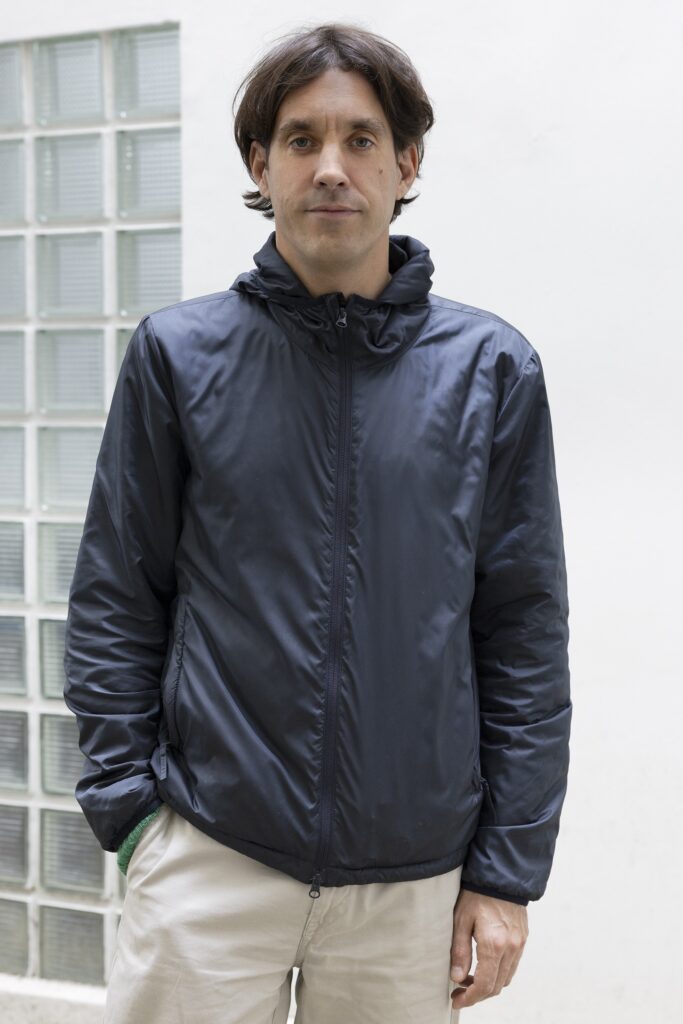
Edouard Montassut, gallerist
Where do you go to be moved in Paris?
The Musée Guimet.
What’s the most underrated place to see art in Paris?
The Jardin du Luxembourg.
Where do you go to eat after you’ve been fed artistically?
Lao Siam.
What’s the best thing that’s happened to the Paris art world in the last decade? The worst thing?
The decentralization of spaces—commercial or not. And the [worst thing is the] idea that the best thing that can happen to a city is a fair.
Where do you steer clear of during the week?
The Marais.
Who inspires you the most in Paris?
My fiancé.
Montassut will show work by Matt Browning, Nicolas Ceccaldi, Nora Kapfer, Marc Kokopeli, and more at Art Basel Paris. A solo show by Browning, “The Plastics,” is on view at the gallery through Nov. 22.
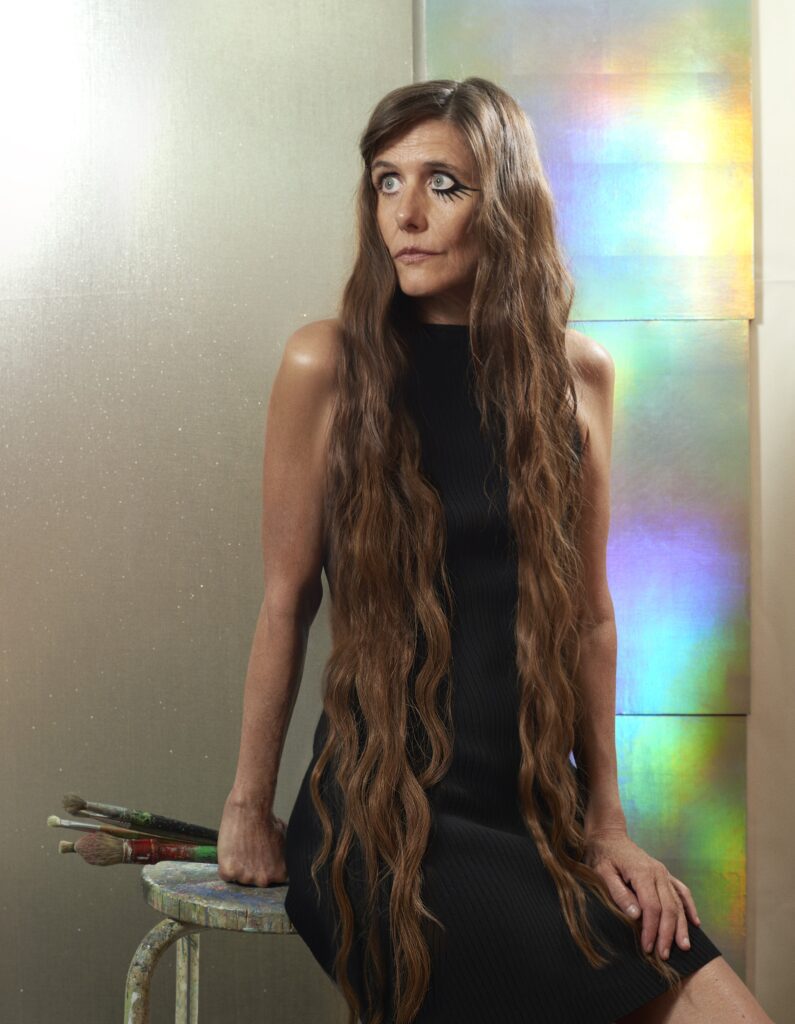
Nina Childress, artist
What’s the biggest sign of change you’ve seen in the Paris art scene recently?
The return of painting.
Where do you go to be moved in Paris?
To the opera. Verdi’s Aida will be on at Bastille during the fair. The second part is so moving!
What’s the most underrated place to see art in Paris?
Hôtel Drouot, the auction house, where you get the reality of the second market.
What’s an opinion you’re sick of hearing circulated about the Paris art world?
That French artists are too sophisticated.
If you could bring back three Parisians who are no longer living for an art-world salon, who would they be?
Marie-Laure de Noailles, Gertrude Stein, and Iris Clert to discuss the avant-garde.
What three places would you recommend a guest to visit while in town for Art Basel Paris?
As Art Basel Paris closes on Oct. 26, you can go to the Cinémathèque Française to see Jane Eyre, 1943, shown in a unique 35mm copy at 6:30 p.m.! You will get drama and the face of young Orson Welles, on a huge screen. The fabric shop Reine under the Sacré-Coeur is the best art installation in town. And the Musée d’Art Moderne has Paris’s greatest permanent collection and the exhibition of George Condo.
Childress’s work is on view in “Casting,” a solo show at Art:Concept, through Nov. 22, as well as at the gallery’s booth at Art Basel Paris.
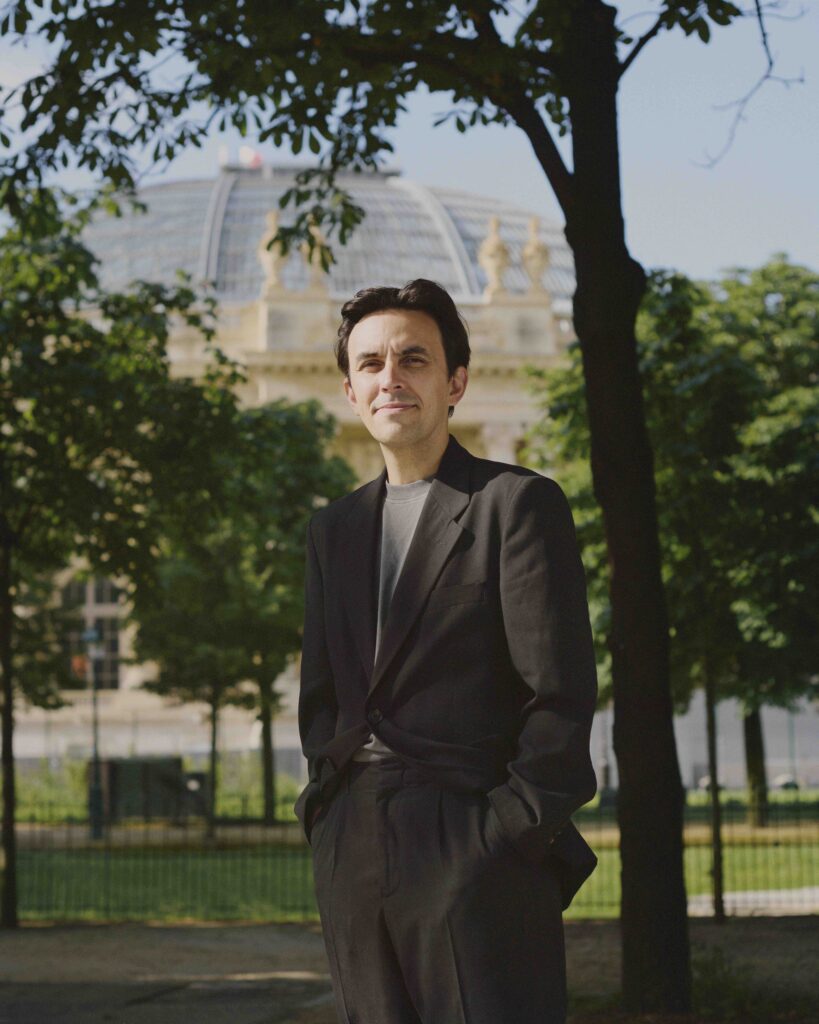
Clément Delépine, current director of Art Basel Paris and future director of Lafayette Anticipations
What’s the biggest sign of change you’ve seen in the Paris art scene recently?
I lived in New York from 2006 to 2015, and from that side of the Atlantic, Paris always felt a little dusty. If you wanted to be cool, you went to Berlin. If you wanted to do business, you went to London. Today, I feel Paris can offer you both.
What’s the most underrated place to see art in Paris?
The Cité de l’architecture & du patrimoine, right by the Eiffel Tower, isn’t usually on everyone’s must-see list—it focuses on architecture, as the name implies—but it’s a true gem. Beyond the architecture, it’s filled with originals and replicas of outstanding buildings, and it has incredible murals, stained glass, and stonework. During the fair, Yares Art will be showing “Chromoscope,” an exhibition examining the Color Field and Post-Painterly Abstraction movements from the 1950s to 1990s, installed along the medieval chapels and frescoes in the galleries. They’ll also have “Mute” by Fabienne Verdier, featuring 40 of her large-scale abstract paintings, presented by Lelong & Waddington Custot.
Where do you go to eat after you’ve been fed artistically?
Le Duc is a longtime favorite—I’m pretty sure salmon tartare was invented there. I also love Double Dragon, which serves Filipino-inspired dishes made with organic ingredients, natural wine, and a really creative touch.
What’s an opinion you’re sick of hearing circulated about the Paris art world?
That Paris’s art scene is somehow new! The city has been at the heart of art, design, fashion, film, and music for centuries. So many movements—Impressionism, Cubism, and Surrealism, to name a few—were born here. And beyond the visual arts, Paris has inspired countless generations of writers, philosophers, and musicians, whose ideas still ripple through the world today.
If you could bring back three Parisians who are no longer living for an art-world salon, who would they be?
Gustave Courbet, Niki de Saint Phalle, and DJ Mehdi all expressed a distinct need to confront and disrupt established norms and hierarchies.
What’s the show you’re most excited for this week?
Perhaps the best show Paris has is on view year-round: the Eiffel Tower is worth admiring every day.
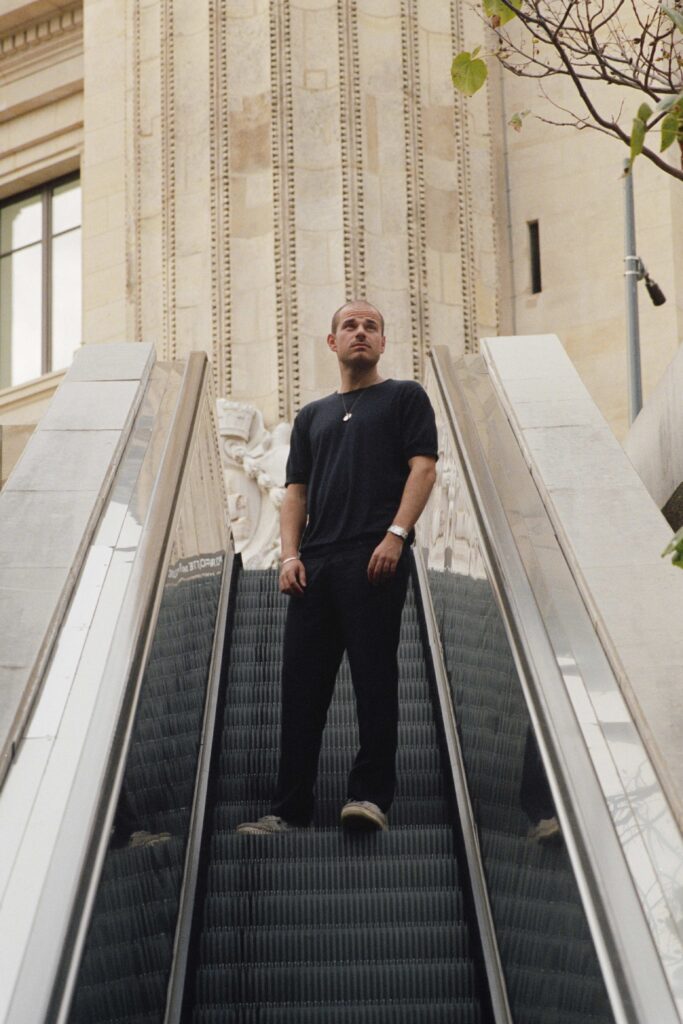
Cyrus Goberville, head of cultural programs of the Pinault Collection
Where do you go to be moved in Paris?
Rue du Pont Louis-Philippe—where my grandmother, the Iranian painter Behjat Sadr, used to live and also where we dated for the first time with my partner and mother of our soon-to-be-born child.
What’s the biggest sign of change you’ve seen in the Paris art scene recently?
Seeing galleries, artists and curators we admire moving—short or long term—in Paris for the last five years. For instance, the London-based gallery Tramps that just opened in Paris with a wonderful Kai Althoff show, is definitely a must-see while you are in town!
Where do you go to eat after you’ve been fed artistically?
Pierre Touitou’s wonderful restaurant le 19 Saint Roch. It’s elegant, tasteful and bold at the same time, like a great art show.
Who throws the best art world parties in Paris?
Last year, Sophie Koella’s More Hard Feelings was very nice. I’ve tried to make a few of them happen at the Bourse de Commerce: Arca’s afterparty with Björk on a Sunday night, Arthur Jafa’s immersive party in the Rotunda with Crystallmess and Robert Hood DJing in front of his video work APEX… Fashion week has its Cicciolina party, but the art world needs its own iconic party during Art Basel Paris!
What’s your favorite art-world watering hole?
I think we are missing some new bars in Paris. But I would always go to le Rosebud anyways.
What three places would you recommend a guest to visit while in town for Art Basel Paris?
I would definitely 1) visit the Cinémathèque Française for the crazy Orson Welles exhibition happening there right now. 2) Check out the Festival d’Automne program and see their Maria Hassabi piece. 3) Try to find a ticket for the minimal music program at the Philharmonie de Paris—or go to the minimal music shows at Bourse de Commerce happening this week too!
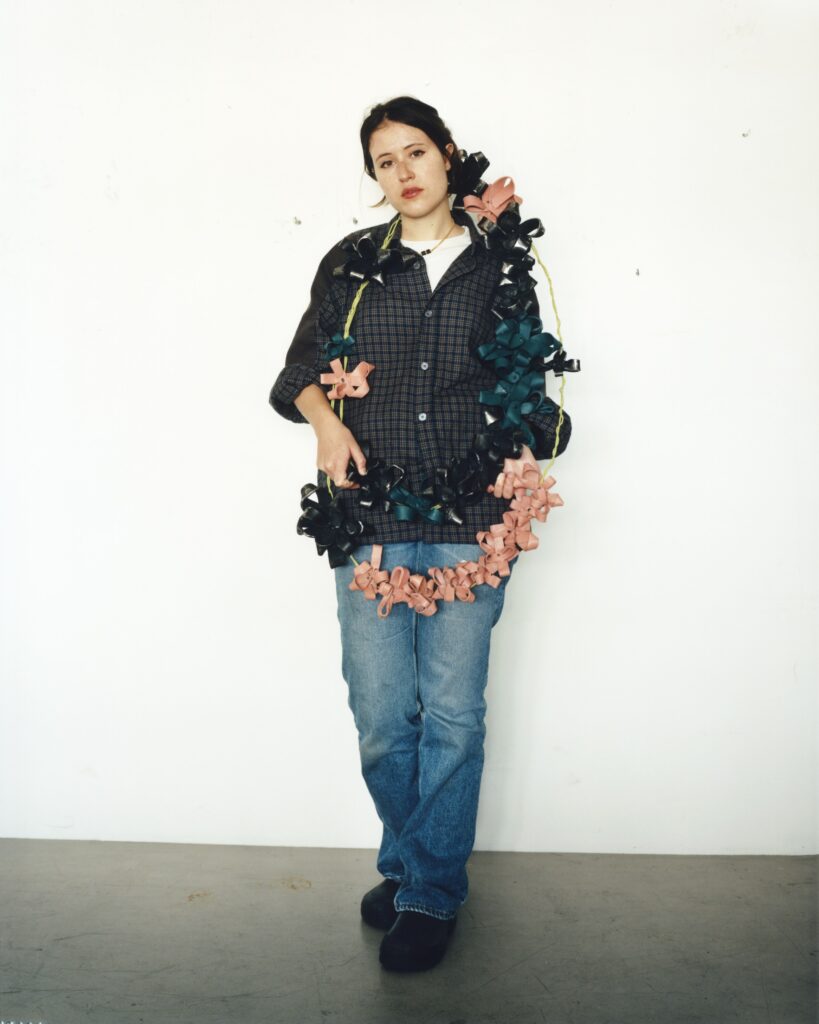
Pauline-Rose Dumas, artist
What’s the biggest sign of change you’ve seen in the Paris art scene recently ?
Since Art Basel settled in Paris, it feels like the city has become one of the focal points of the artworld. There’s a constellation of new projects opening during the fair. Foreign galleries are organizing off-site exhibitions alongside Basel, like the Irish gallery Kerlin Gallery. Paris is becoming more international!
Where do you go to be moved in Paris?
To a concert! On Oct. 20, the first day of Paris Art Week, I’m going to the Olympia to see Patti Smith for a special concert where she’ll be performing her album Horses in its entirety.
Who is the biggest power player in the Paris art world these days?
Camille Morineau, who is the co-founder and director of AWARE: Archives of Women Artists, Research and Exhibitions. The association does truly incredible work in promoting the visibility of women artists in contemporary art through archival research, awards, and exhibition curation. AWARE has also just announced a partnership with the Centre Pompidou.
What’s an opinion you’re sick of hearing circulated about the Paris art world?
That art in Paris only happens in the hyper-center, while there are so many amazing projects taking place on the outskirts of the city.
What’s the best thing that’s happened to the Paris art world in the last decade? The worst thing?
The best thing: the inauguration of the Bourse de Commerce and its exhibition program in partnership with foreign institutions like the Tate Modern, which made it possible to show Mike Kelley in 2024, curated by Jean-Marie Gallais. The worst thing is the closure of the Centre Pompidou for five years for renovations—we’re really going to miss it!
Who inspires you the most in Paris?
My artist friends with whom I graduated from the École des Beaux-Arts: Maxime Bagni, Pauline de Fontgalland, Martin DePalle, and Thomas Buswell. We share a studio, and they’re a real everyday support.
What’s happening are you most excited for this week?
The results of the Marcel Duchamp Prize on Oct. 23! This year’s selection is fantastic, and I’m really looking forward to seeing the outcome. I really love the work of Eva Nielsen and Lionel Sabatté.
Dumas’s work is on view in a solo show, “Studio Everywhere,” at Galerie Anne-Laure Buffard through Nov. 22.

 in your life?