This is Street Smarts, a column from art advisor Ralph DeLuca that offers art world veterans and newcomers alike a straight-talking, no-bullshit guide to the aloof and difficult-to-crack contemporary art market.
There’s no way to sugarcoat it: from a broad view, the photography market looks fucked. We’ve all seen photography sales with more passes than the Super Bowl and scratched our heads wondering what went wrong. Not to mention, we all know the feeling of getting a preview from a favorite gallery only to see that they are showing photographs and our excitement drains quicker than a child opening a pair of gift-wrapped socks during the holidays.
According to Artnet, the photography auction market peaked in 2014 totaling $230.5 million, whereas 2024 sales totaled $116.9 million. Just why has the photo market fallen from its former glory? The first (and easiest) answer might be the very thing you’re probably reading this column on: your iPhone. Once upon a time, taking a great photograph required a perfect marriage of talent, equipment, and environment. Today, with smartphones and an endless parade of apps and filters available to anyone, the process feels streamlined to the point that many assume talent no longer plays a role. (Not totally true.)
As someone who owns more than 20,000 photographs (not kidding), my goal is to bring back the emotion to emulsions and show you why now might actually be the best buying opportunity in decades to build a museum-worthy, world-class photography collection.
What to Collect
The options for what to collect in photography are endless.
You can start with vintage photography, dating from the 1850s through World War II, or focus on classic 20th-century photographers—like Ansel Adams, Walker Evans, Edward Steichen, Man Ray, Diane Arbus, and Weegee, to name a few. Some collectors gravitate toward works that document social history; others are drawn to images from their favorite films, television shows, musicians, or sports teams.
As I’ve said before, there’s no wrong way to collect—so long as you’re armed with the right knowledge to spot the pitfalls in the markets you choose.
Tips for Buying Smart
1. Examine Condition.
Condition is king—more so in vintage photography than almost any other medium. Restoration is costly, hard to do, and easy to spot. Because most photographs exist in multiples, collectors tend to wait for the print they want in better condition. Photos are very sensitive to light, humidity, and the elements.
Make sure you can look at multiple prints by a photographer that were done around the same time to compare quality, paper, and tonality. Also remember: FRAMES HIDE FLAWS! Never buy an expensive photograph (unless it’s relatively new) without seeing it outside the frame and mat, examining the front and back of the print. Do not be convinced otherwise. I’ve seen too many collectors get blindsided by inspecting vintage photographs out of their frames years after it was too late to do anything about it.
2. Note the Age of the Print.
The age of a photographic print can greatly affect its value. I basically put photos into the following categories.
Vintage Print: Made by the photographer at or around the time the photo was taken. To me, this is the best and most valuable work to collect.
Original Print: Made later by the photographer from the original negative.
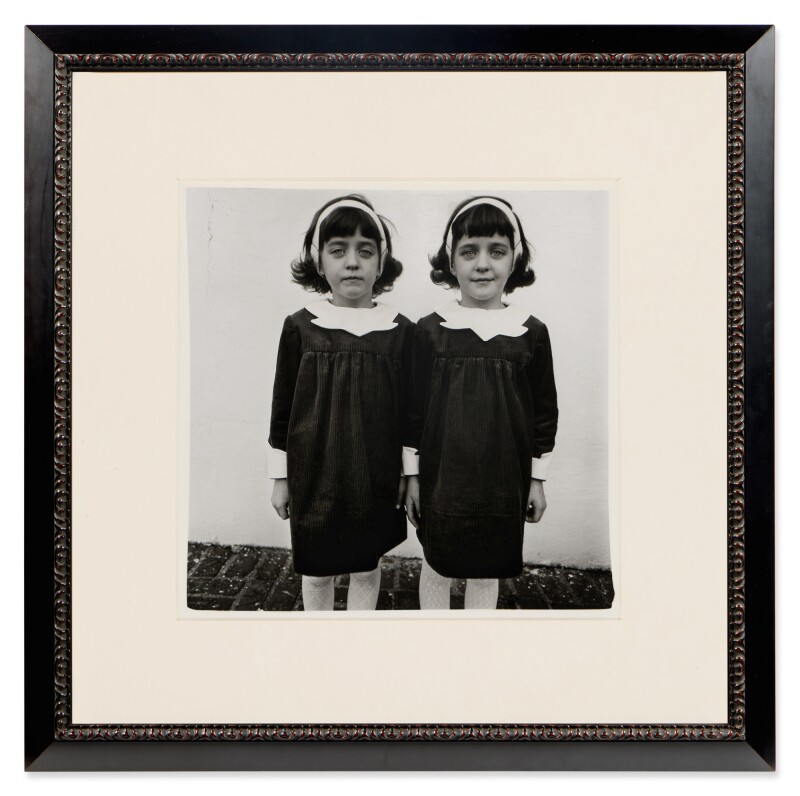
Posthumous Print: Made after the photographer’s death, usually from their negatives. The only posthumous work I buy is Diane Arbus’s; even then, they are worth a fraction of the same image she printed during her life.
Copy Print: A modern reproduction, often not from the negative. Little to no collectible or resale value.
3. Pay Attention to Auctions.
To me, auctions are hands-down the best place to buy photography—especially when the market is down. I am stunned at some of the bargains today in the photo sales. This is especially true for contemporary photography, where the galleries who represent photographers must sell the work at the primary market price, even if it is much higher than the current auction value. Right now, photography sits in an odd middle ground: undervalued, yet too significant to stay that way. What looks like a “doomed” market can be a collector’s dream in disguise.
And because I don’t want you to just take my word for it, I went straight to the people who live and breathe this market every day: the heads of photography at Sotheby’s, Christie’s, and Phillips (Emily Bierman, Darius Himes, and Vanessa Hallett, respectively). If you’re even remotely serious about collecting, get on their mailing lists—you’ll start to see just how much opportunity is hiding in plain sight.
We talked about what’s really driving today’s market—who’s undervalued, what new collectors are looking for, and how major galleries can make (or occasionally complicate) a photographer’s market.
The Specialists’ Take
Which photographers do you feel are currently highly undervalued relative to their historical importance and past prices realized?
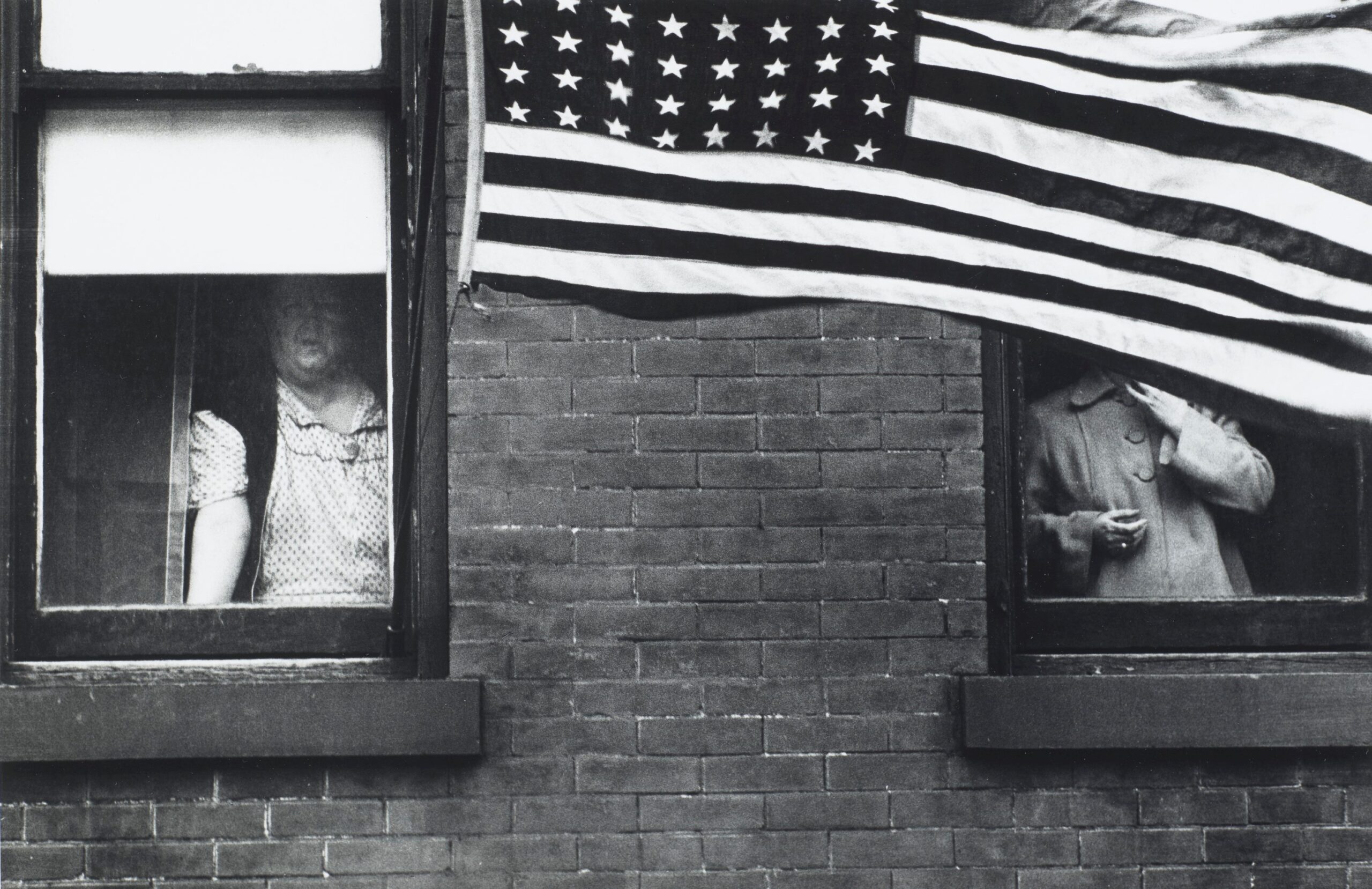
Emily Bierman: This is a surprisingly tricky question as I think nearly all of photography remains undervalued. But a few photographers that come to mind are Manuel Álvarez Bravo, Berenice Abbott, Hans Bellmer, Walker Evans, Robert Frank, Paul Strand, and Eugène Atget. Each was celebrated in their own time and has remained central to the history of photography. Their markets, however, tell a more uneven story: record-breaking prices but also some surprisingly modest results. This inconsistency is due in part to the scarcity of truly exceptional works—fresh, museum-quality A++ masterpieces are increasingly rare, a reality I would argue is not at all confined to photography. We also must acknowledge the shifting landscape of taste and the evolving profile of today’s collectors, both of which continue to reshape how these artists are valued.
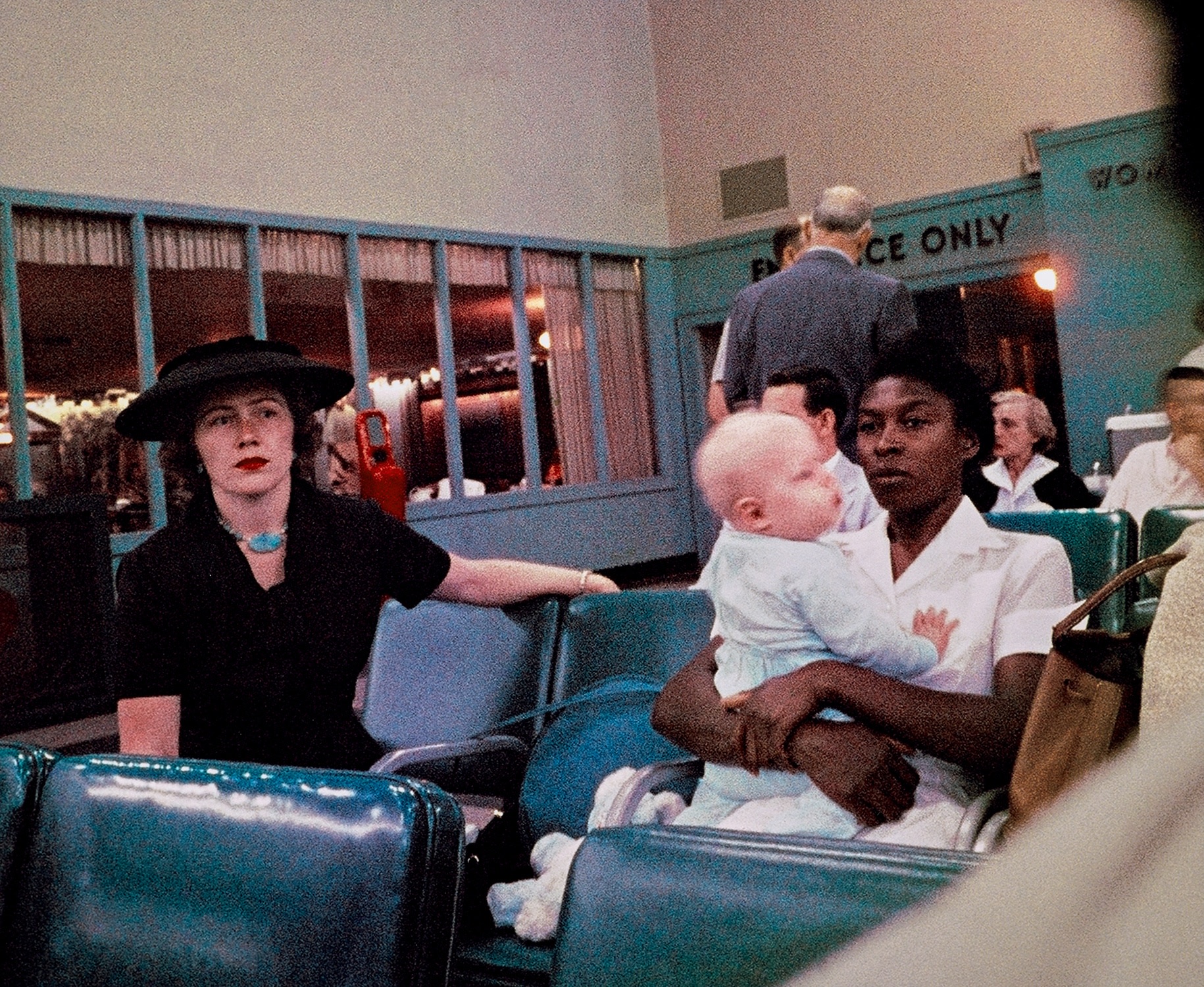
Vanessa Hallett: There are many photographers that come to mind when thinking about those who have made historically significant contributions to the broader art historical canon. Alfred Stieglitz, Claude Cahun, Robert Frank, Walker Evans, Roy DeCarava, Gordon Parks, Irving Penn, William Eggleston, and Diane Arbus all stand out. Their profound influence extends far beyond the bounds of the traditional collecting category of photography. Given the ways that they have massively informed visual culture, their names should really be alongside the titans of postwar and contemporary art who have come to define the 20th century zeitgeist. Fortunately, we are seeing a shift where the market is giving long overdue credit where it is rightfully deserved. To note, I am listing these photographers as undervalued when looking at their markets as a whole and not just their most famous top performing images.
Darius Himes: Here is a broad list: Carleton Watkins, Alexander Rodchenko, Florence Henri, Robert Frank, Gordon Parks, Robert Adams, Herb Ritts, and Katy Grannan, to name a few.
Can you name a few photographers whose markets you’ve seen steadily increase, preferably pre- and postwar?
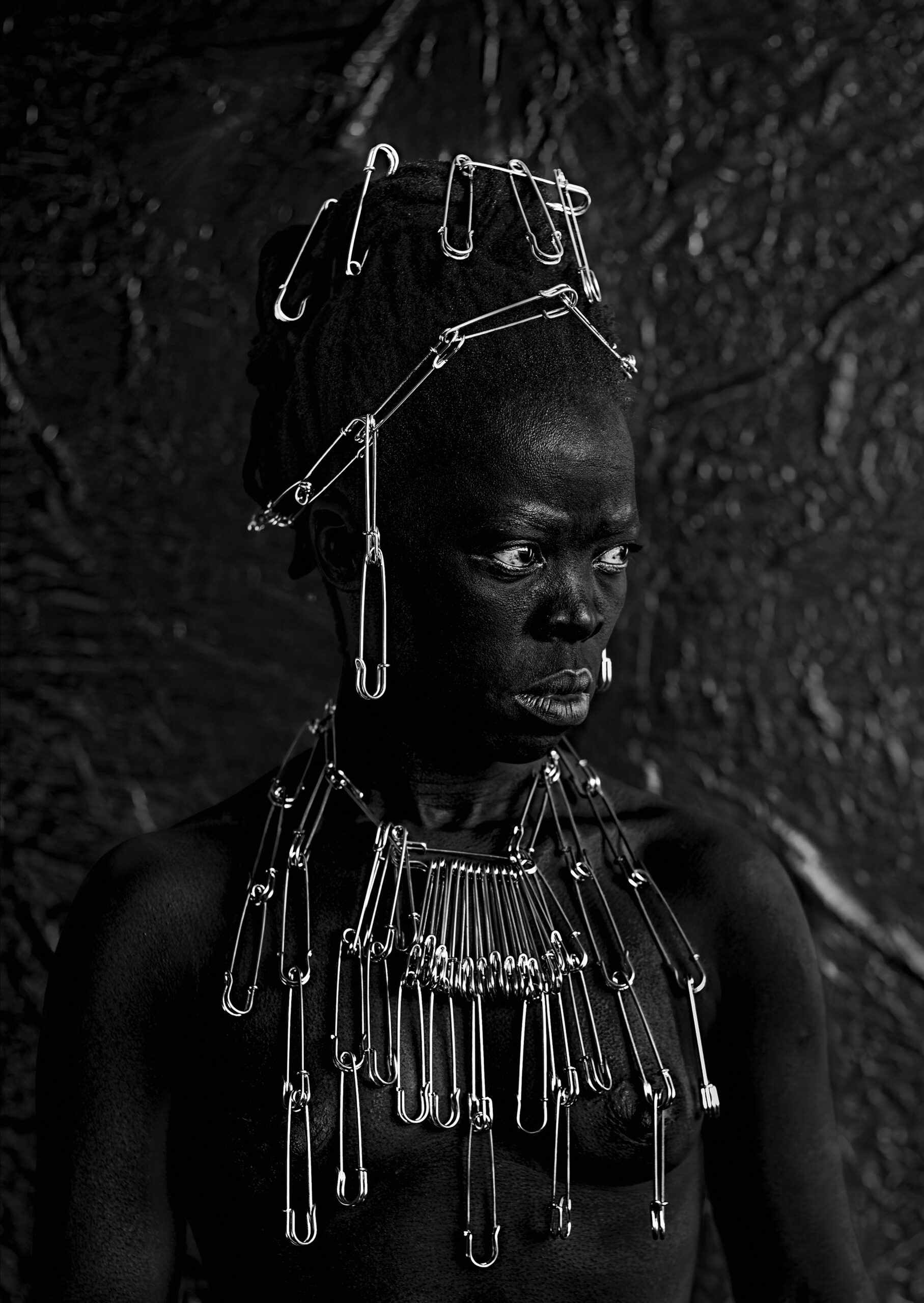
Bierman: Lee Miller, Zanele Muholi, LaToya Ruby Frazier, and Gordon Parks. With Lee Miller, the scarcity of lifetime prints means her work has only rarely appeared on the market—and every time thankfully it climbs higher. I’ll admit my bias here—I wrote my college thesis on her—but she remains at the very top of my “must collect” list (if you can find a print!). She is also back in the spotlight with a new major exhibition at Tate.
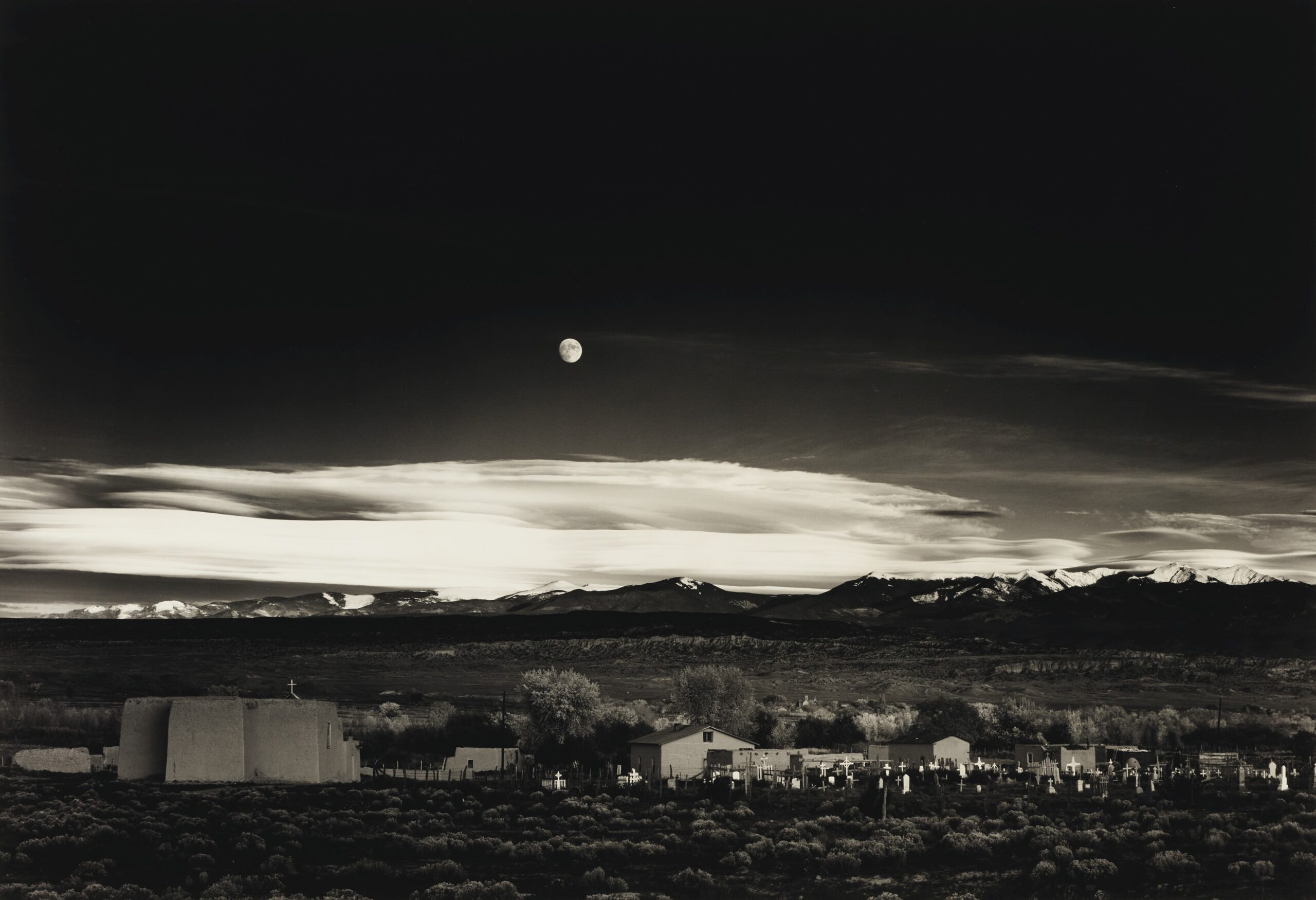
For postwar figures like Zanele Muholi and LaToya Ruby Frazier, the draw lies both in the strength of their work and the way it resonates with today’s cultural and social conversations. Both have benefited from solid gallery representation and important museum exhibitions. I still remember when Muholi won the Deutsche Börse award in 2015: the work struck me as revelatory, though of course they had already been celebrated for over a decade by then. Alongside these names are artists such as Diane Arbus, Ansel Adams, Hiroshi Sugimoto, Irving Penn, and Francesca Woodman—figures whose markets have proved steady. Their work has long been considered essential and, while prices don’t swing dramatically year over year, their markets remain reliable.
Hallett: Many of the artists who have long been undervalued are experiencing steady market growth. This shift reflects more than just collector interest, signaling deeper cultural changes. For instance, Claude Cahun has reemerged in the public eye as contemporary conversations increasingly engage with the themes that were so personal to the artist’s identity. Cahun’s work may have been misread or marginalized in the past, but is now being re-examined through a more inclusive and critical lens.
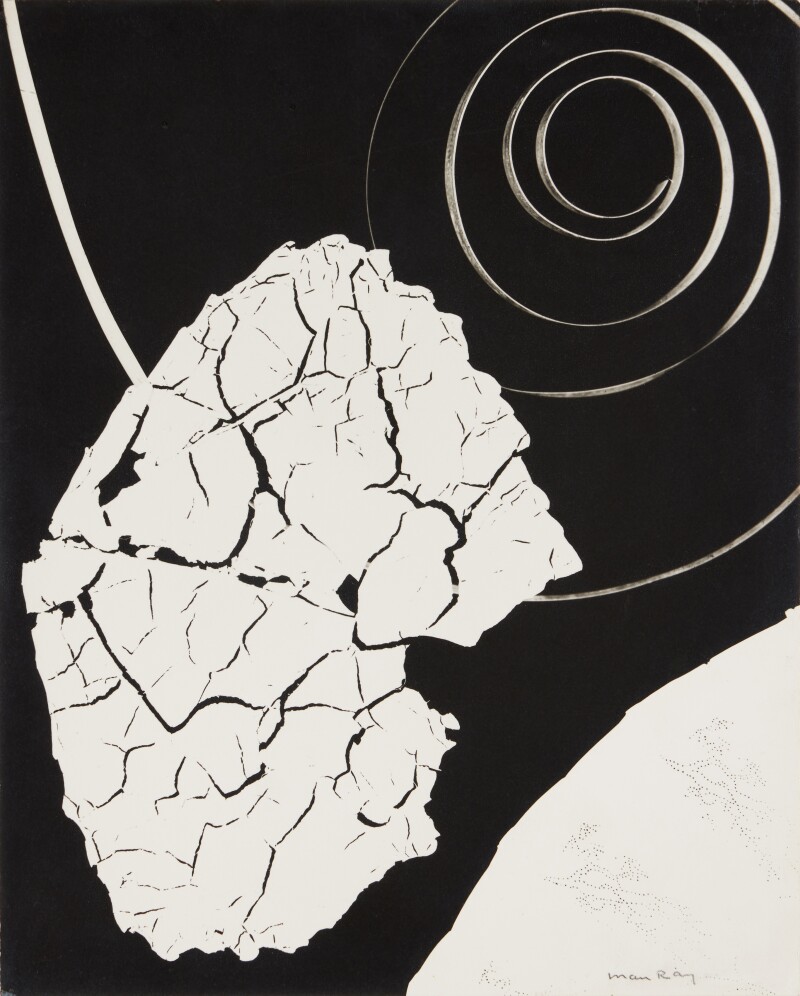
Man Ray is the subject of a major exhibition, “Man Ray: When Objects Dream,” which opened earlier this month at the Met. The show highlights his radical reinvention of media and form. Along with Duchamp, he challenged conventional ideas of what form art could take.
At Phillips earlier this year, we held a single artist auction of William Eggleston’s dye transfer prints and set multiple world auction records therefore he would be an example of a steadily increasing market for a postwar photographer. We currently have on view an incredible Irving Penn auction with all works coming directly from the artist’s foundation. I am hopeful to see his work further appreciate within the larger art market.
Himes: I would suggest Man Ray and Diane Arbus as two primary examples, both of whose work is still also undervalued. These two artists are key to the development of 20th-century art (not just photography). We have set new auction records for each of these artists just in the past few years, but you can still acquire major works by each for far less than I think they will be in the future. You simply can’t have a list of great 20th-century artists and not include these two artists (who used cameras).
When you speak with new buyers and collectors entering the market, is there a common theme in what they’re looking for?
Bierman: Are these collectors simply new to photography, or are they entirely new to collecting? I am fond of saying that photographs can be a gateway drug into the larger art world. However one defines “new,” these collectors are often drawn to works that carry personal or social resonance, that have been validated by major institutional exhibitions/collecting, or blue-chip gallery representation, and that can be readily situated within the broader history of art.
Hallett: One of the most exciting aspects of working at Phillips is the frequent engagement with new collectors. These encounters provide insight into the evolving landscape of collecting, where motivations and tastes are as varied as the individuals themselves.
Some collectors are driven by a desire to acquire masterpieces across all mediums, while others are drawn to specific movements, such as Surrealism. Some prioritize early prints for their historical significance, while others are more image-driven and comfortable with later editions, provided that they’re signed and have been approved by the artist. This diversity of approach keeps the market dynamic, relevant, and full of possibility.
Beyond aesthetic preferences, many collectors are drawn to specific artists for deeply personal reasons. A collector shared that he studied Robert Frank in college and was profoundly moved by Frank’s raw, unfiltered commentary on American life. Years later, when he could afford it, he began collecting Frank’s work.
Another collector I work with is passionate about fashion and thereby captivated by the elegance of Avedon’s compositions and the daring nature of Helmut Newton’s models. He is now building a collection that reflects that sensibility. These stories remind us that collecting is not merely about acquisition, but about resonance, memory, and meaning.
Himes: The common thread is that there is no common thread. With photography approaching the bicentennial of its invention, we all must wrestle with the fact that there are multiple “photography” markets at this point. I have 19th century-focused collectors, as well as those interested only in Surrealism, or solely postwar and contemporary works. Likewise, fashion photography, women photographers, the 1970s, you name it, there are collectors who focus in those ways.
How do you think a major contemporary gallery getting behind a photographer or an estate changes their market—for better and for worse?
Bierman: The right gallery representation—be it through a big contemporary gallery like Gagosian, Zwirner, or Pace, or through a traditional photography gallery like Fraenkel, Hamiltons, or [Edwynn] Houk—can indeed shift the market, mostly through increased visibility, price control/elevation, and broader institutional representation.
Hallett: When a major contemporary gallery takes on a photographer or an estate, it can open up exciting new opportunities. It introduces the work to a broader and often more diverse collector base, and can spark meaningful cross-medium conversations between artists. This kind of exposure can be transformative. However, there can be challenges too. If the gallery represents artists whose works command significantly higher prices, they will have to work hard to ensure that the photographer receives the same spotlight. It’s not necessarily a negative, just a different path. In my experience, the cream always rises to the top.
Himes: Photographs as objects, as well as the history of the photography market, are very nuanced and far more sophisticated than most collectors and many dealers realize. There are moments when I’m uncertain that the importance of connoisseurship—understanding the different paper types, years when things were printed, editioning (or non-editioning) practices—is being conveyed to the collecting base at the “major contemporary galleries” that you mention, but I’m hopeful. I’m optimistic that the presentation of photographs from across the 20th century at the blue-chip galleries can only elevate the medium to broader recognition and nurture passion for collecting them. Scholarship and the role of education is still vital within the art and photography collecting world.
In Conclusion
So, there you have it. These are three people in the photography world I trust and respect and have been doing business with all for well over a decade. Until next time, do your homework (education is key) and bid to win!





 in your life?