It’s a bit oxymoronic: a brick-and-mortar outpost to view digital art. But, when she joined Offline gallery, director Mika Bar-On Nesher was as committed to broadening the perception of digital art as she was to cultivating foot traffic for the new space’s physical location. “In today’s landscape, there is an obligation to create spaces where people can actually understand it,” she says of the virtual medium.
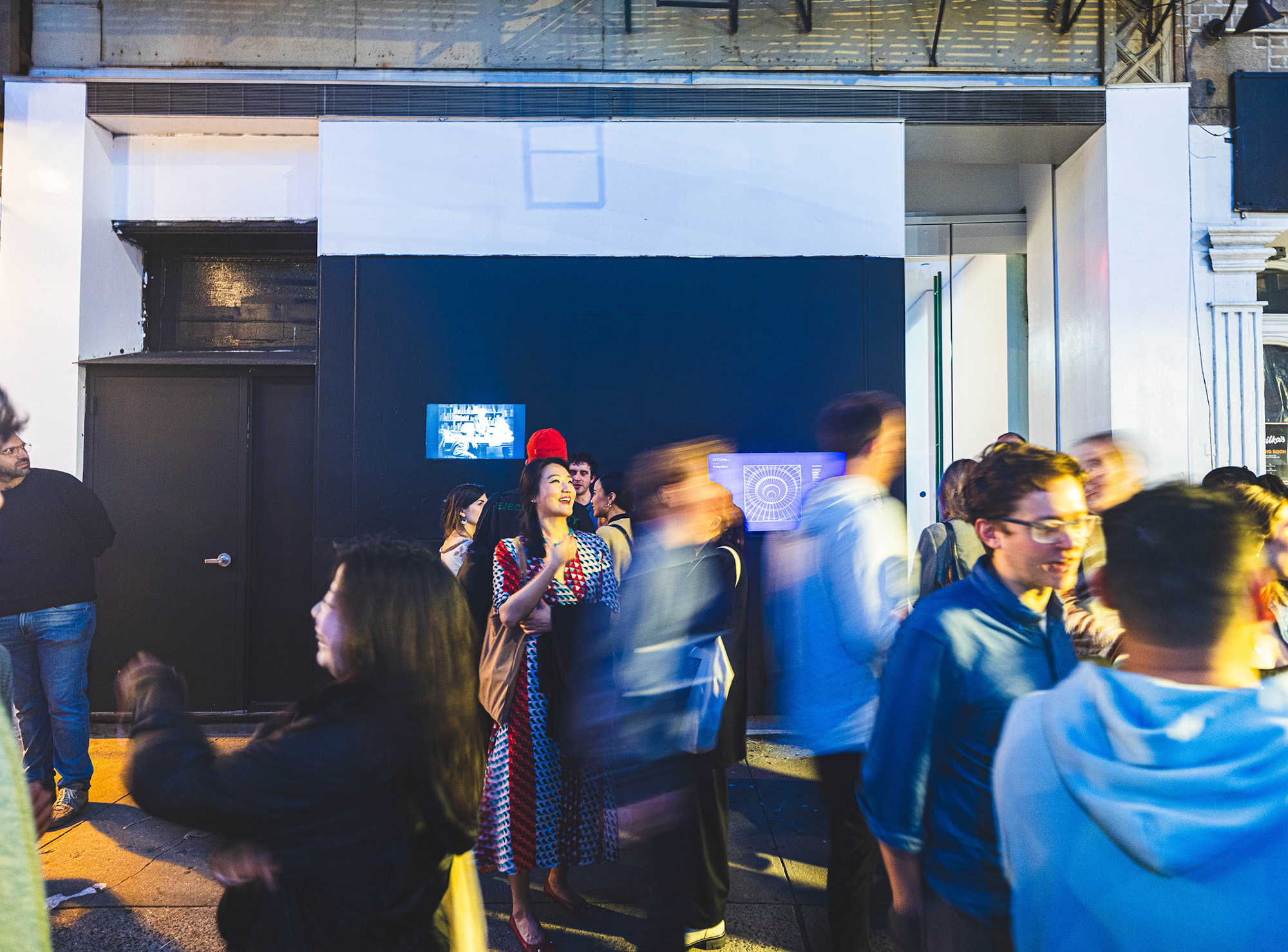
Supported by the NFT marketplace SuperRare and housed at 243 Bowery in Salon 94’s former space, Offline‘s goal is to bring the digital to the tangible realm “so that it can really spread out,” adds Josh Long, who helped launch the company and serves as its head of brand. Around two months after Offline’s official opening in July, the gallery and SuperRare hosted a book launch at the gallery for Botto, an autonomous A.I. artist whose work generates impressive sales at auction. After the panel, Bar-On Nesher recalls that the crowd—full of crypto-natives and non-crypto-natives alike—erupted into conversation.
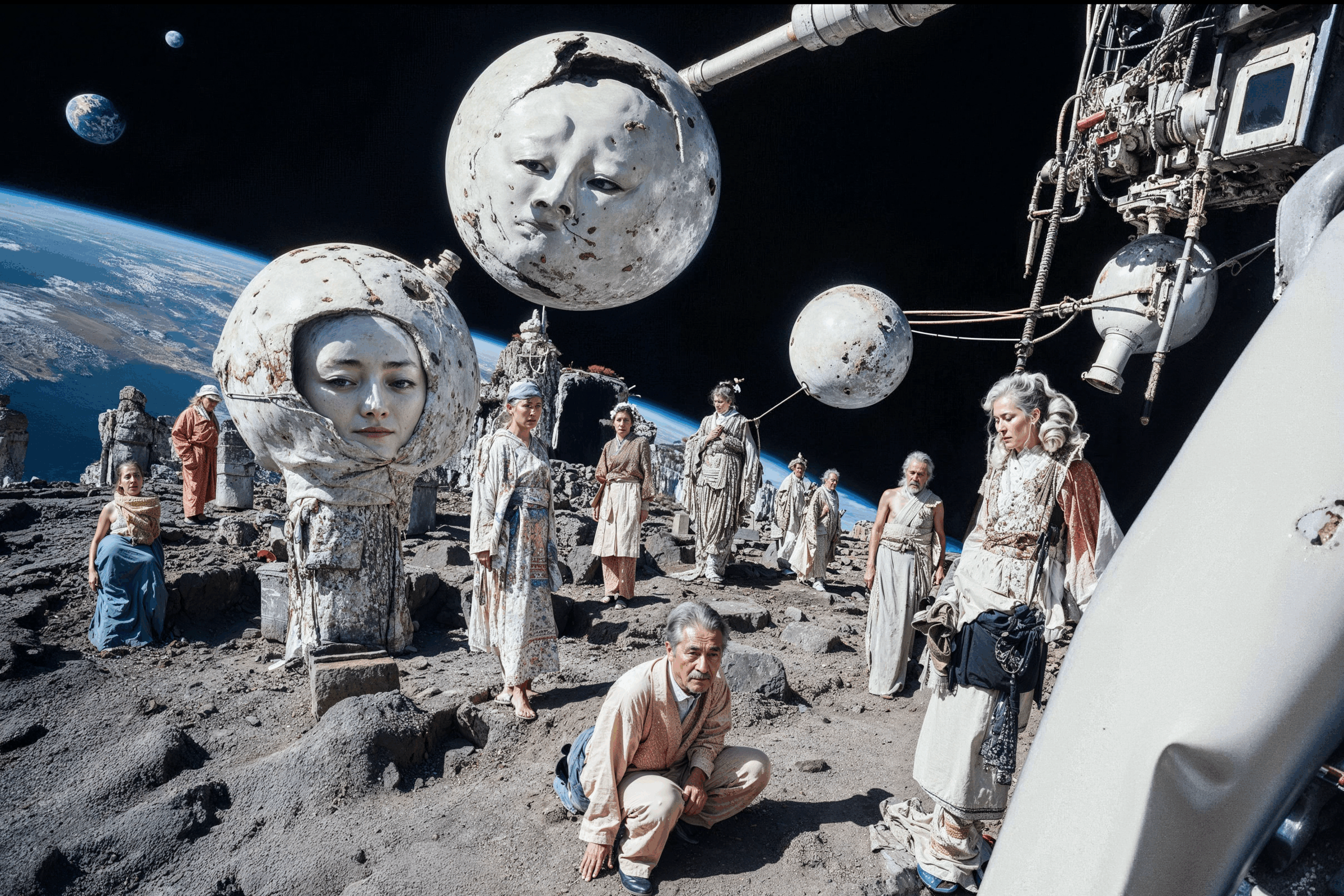
Bar-On Nesher doesn’t consider her enthusiasm for digital work a vote in support of or opposition to A.I.‘s arrival in the art world. Instead, Offline is intended as a platform that prompts people to “understand A.I. and how it fits in our lives,” taking advantage of digital art’s still-loose parameters to shape a program that emphasizes the breadth of the medium. The gallery’s current exhibition, for example, is a solo show by Japanese multimedia artist Emi Kusano that channels nostalgia through the twin lenses of pop culture and emerging technologies. Titled “Ego In The Shell,” the show reckons with the advent of A.I. by using it to flatten the boundaries between Kusano’s own image, her memories, and iconic science fiction iconography from the 1995 film Ghost in the Shell—anticipating a future where media and the self flow into a single, indistinguishable stream.


Of course, digital art is nothing new. Artists have been harnessing the possibilities of developing technologies for decades, but digital artworks have historically proved difficult to collect and, Bar-On Nesher notes, “rarely got any mainstream visibility.” In the wake of the NFT craze, however, a mini market emerged. SuperRare’s mission is to help digital artists gain broader recognition by strengthening that market—and to put all of “culture on the [block]chain,” according to Long, a technology that been used to trace sales of work through the secondary market. The company’s investment in Offline reflects its bet that the fledgling operation can spearhead a digital-first model in the primary market too.
Will that gamble earn the gallery—and the art form it champions—the recognition that Bar-On Nesher and SuperRare are aiming for? Between the art market’s contraction and the high-profile shuttering of the digital department at Christie’s this year, it’s difficult to say. But for Long, it’s all a step in the right direction. “Now you have debate and discussion in the context of mainstream contemporary art,” he said. “That’s good for the entire movement.”



 in your life?