
As mega-galleries compete to sign artists fresh out of graduate school and the present moment feels more and more inescapable, a new guard of gallerists is pushing the art world forward by looking back into history. These seven dealers launched their businesses at tender ages ranging from 22 to 41. Their wide-ranging interests—which span ancient jewelry, Belgian Symbolism, Old Master drawings, and Art Deco—push against the notion that the market’s dynamism and experimentation is limited to the contemporary art sector.
London is a key stage for this revival. Half of the dealers profiled here are based in the city, and two will be showing at this October’s edition of Frieze Masters—the first directed by Emanuela Tarizzo, 37, whose career as a dealer and advisor has covered works from antiquity to today. “Collectors and institutions are increasingly interested in stories that connect across centuries,” Tarizzo says. “Artists themselves rarely acknowledge a strict divide between ‘historical’ and ‘contemporary’—the dialogue is continuous.”
These gallerists bring different toolkits to the table. Some build momentum online; others center community-first programming. Still others emphasize accessible, entry-level pricing. Whether through social media or provenance research, each dealer is ultimately after the same thing: a present-tense engagement with the past.
Pavec
Co-founders: Pauline Pavec and Quentin Derouet
Location: Paris
Specialty: 19th- to 20th-century art, especially women artists
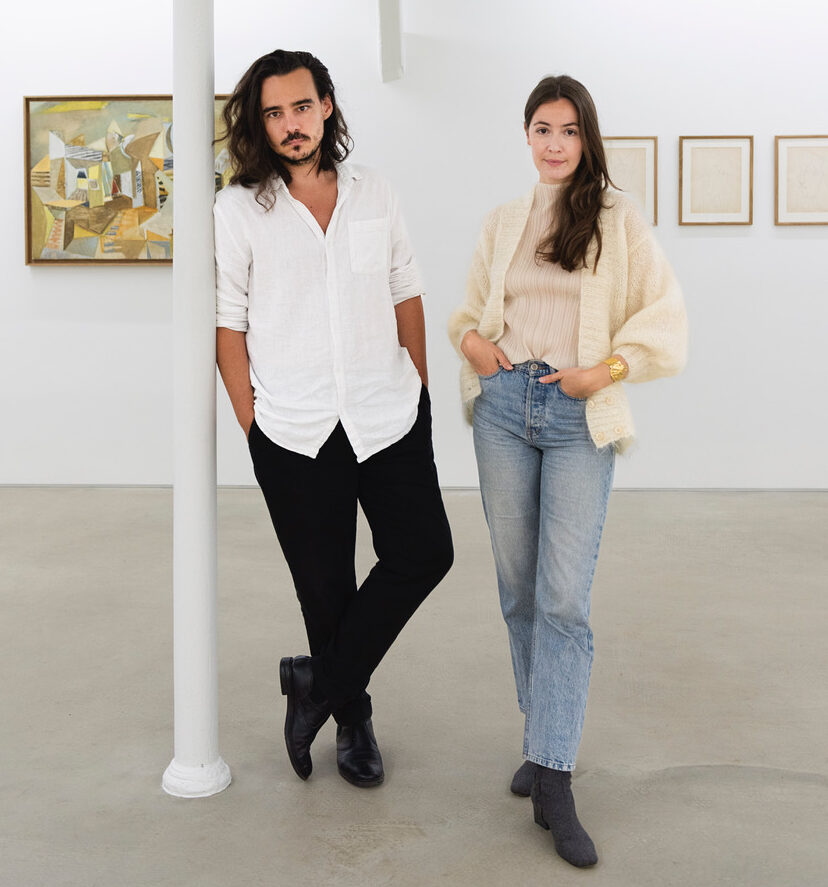
Art historian-artist duo Pauline Pavec and Quentin Derouet co-founded Pavec in 2018, when they were just 22 and 28 years old. The firm presents contemporary works alongside 19th- and 20th-century French art and represents the estates of overlooked women such as Jacqueline Lamba and Juliette Roche. “We wanted to bring visibility back to essential figures of French art history,” Pavec says. A research center within the gallery continues this mission by collaborating with curators and institutions to give proper due to artists who have been written out of history. At Art Basel Paris this month, the gallery will channel two years of archival work into a solo booth on Impressionist Marie Bracquemond, accompanied by an essay from Petit Palais chief curator Stéphanie Cantarutti. Pavec describes the project as a “profoundly symbolic act” that pushes against the male-centric Impressionist narrative.
Kallos Fine Jewellery
Founder: Baron Lorne Thyssen-Bornemisza
Location: London
Specialty: Bespoke jewelry featuring ancient art
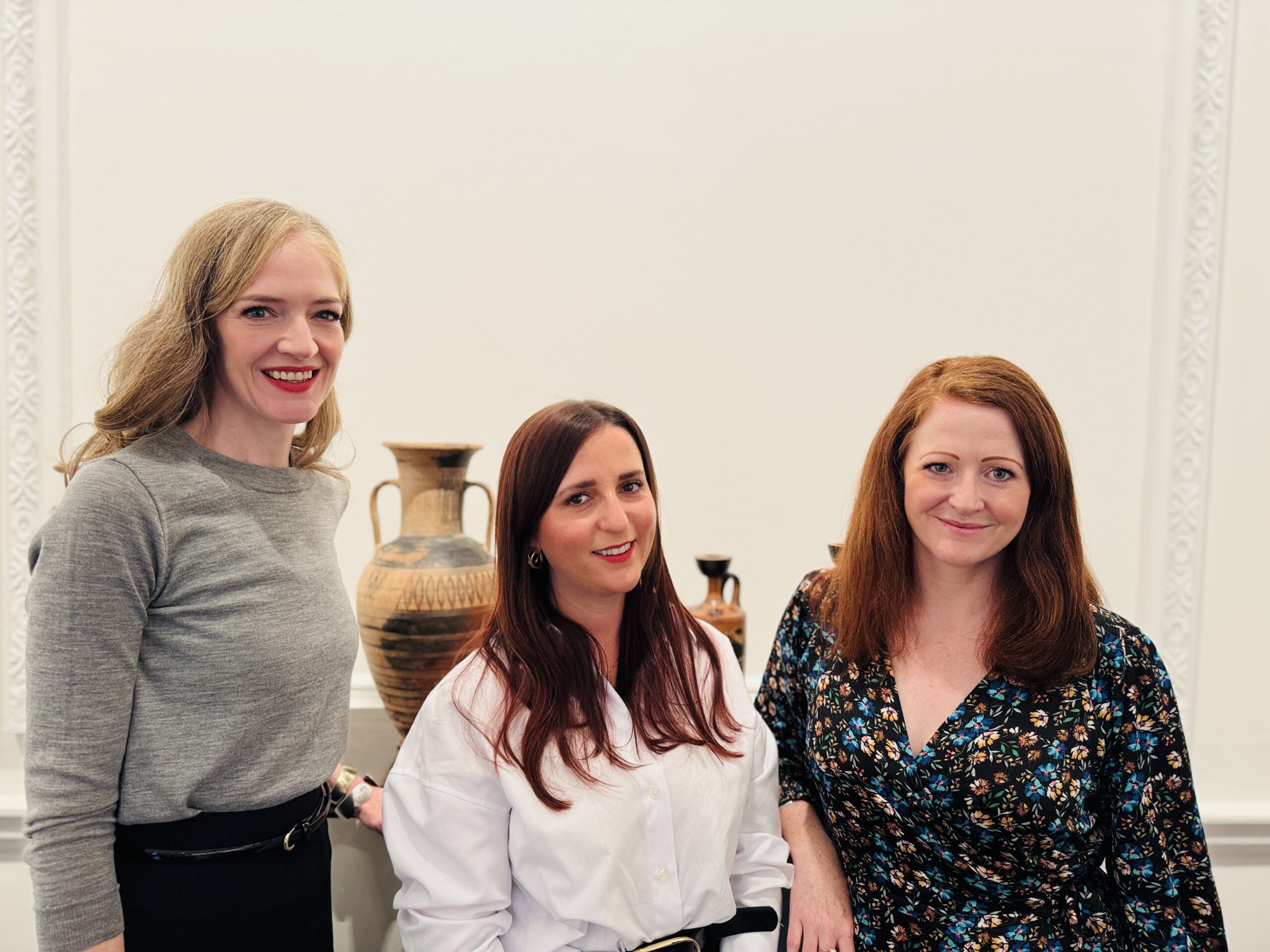
Seeking to cultivate a fresh collector base, the team behind Kallos Gallery launched a spin-off dedicated to ancient jewelry in 2021. All pieces are made by a London-based goldsmith, who transforms intaglios, coins, and amulets into bespoke wonders that reflect the gallery founders’ ancient-art expertise and passion for craftsmanship. Hayley McCole describes the works as “miniature pieces of art” and “investment pieces” to which wearability is central: “They are no longer behind glass or shrouded in mystery, they become an intimate part of you.” Their price points also speak to new collectors of all ages: a beautiful example of Roman glass might cost around £1,000, which McCole notes is far below an Old Master painting of similar caliber. At Frieze Masters, the gallery will show antiquities from Egypt, Greece, and Rome alongside the jewelry line. One recent sales highlight: a rare Greek oak gold wreath from 4th–3rd century BC, a delicate survivor with classical poise.
Maxime Flatry
Founder: Maxime Flatry
Location: Paris
Specialty: 20th-century art and design, especially Art Deco
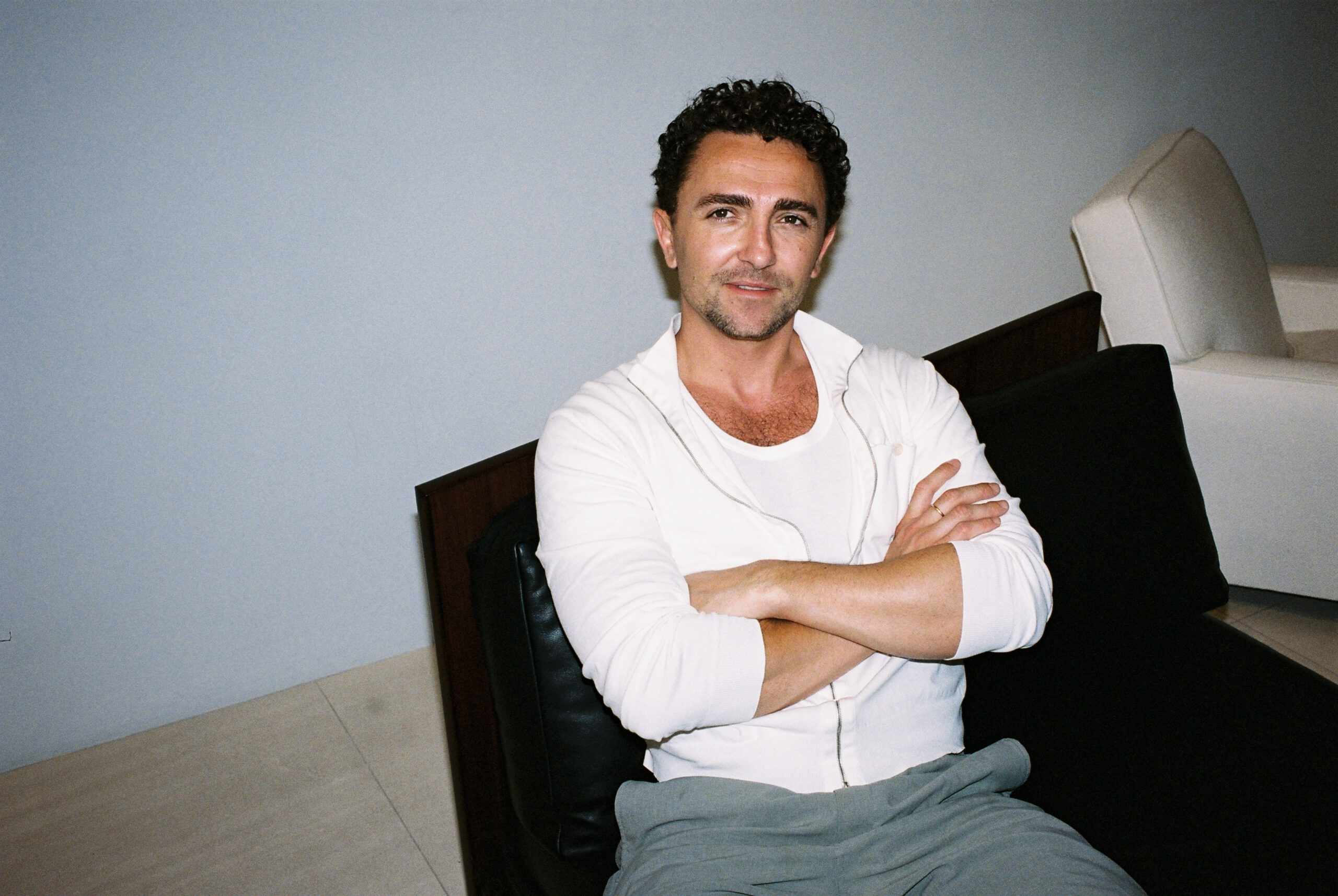
A lifelong collector, Maxime Flatry follows passion rather than an established playbook. He founded his namesake gallery in 2019 to champion designers central to Art Deco, including Émile-Jacques Ruhlmann, André Groult, and Pierre Chareau. “It was never about filling a gap in the market,” he says. “For me, the 1920s are the most modern period.” With Art Deco’s centenary drawing global attention this year, Flatry’s audience is increasingly international. Accordingly, he creates gallery and fair presentations that aim to be “as radical as possible.” The recent show “Un Goût 1925” marked the 1925 Exposition Internationale, long considered the genesis of Art Deco. Next up: Design Miami Paris, where he will show six ceramics from 1890-1930 to make a minimalist argument for the era’s maximalist reinvention of form, color, and material.
Thomas Deprez Fine Arts
Founder: Thomas Deprez
Location: Brussels
Specialty: Fin-de-siècle Belgian art and design, “Les XX” artists
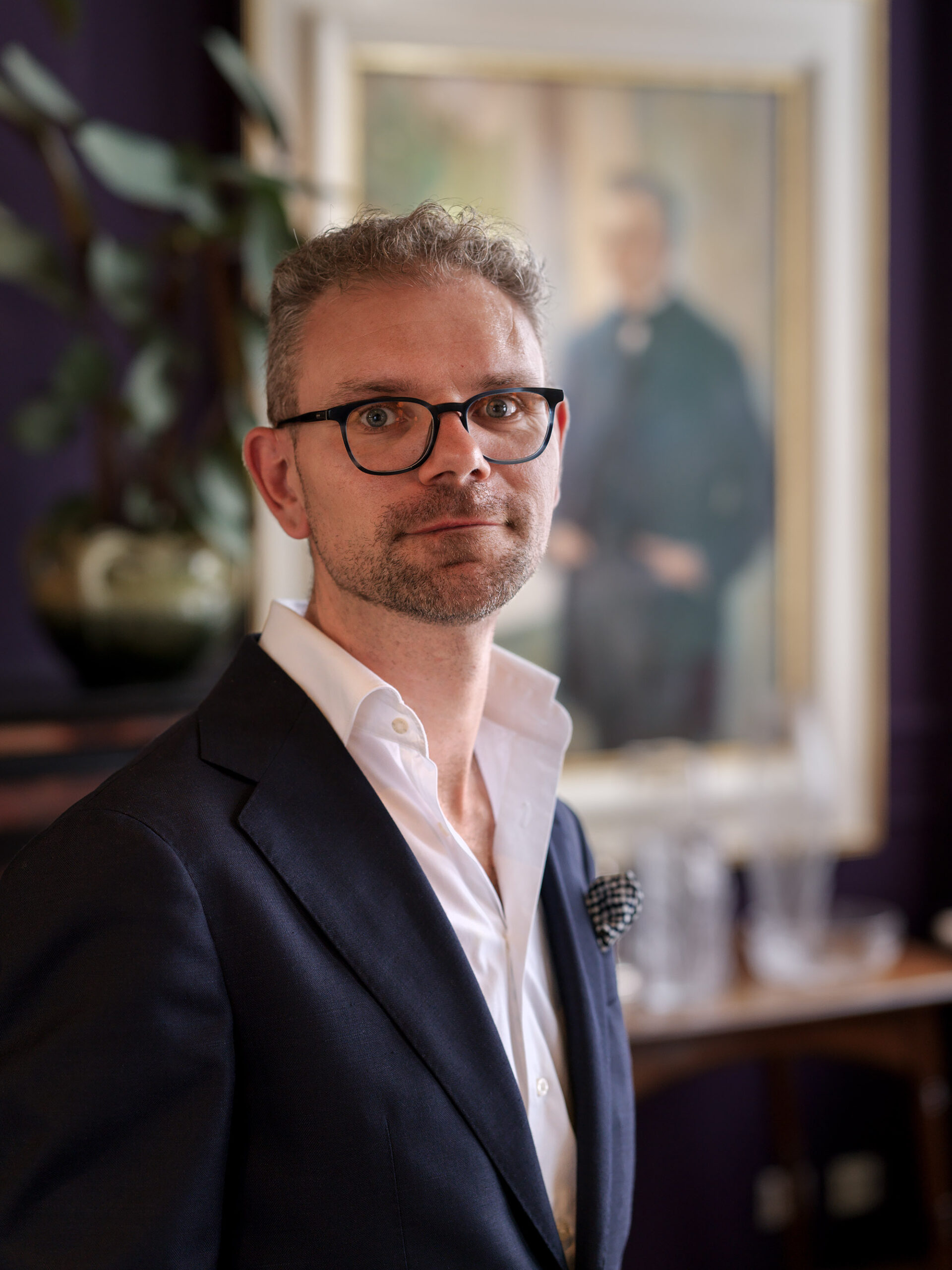
Thomas Deprez founded his eponymous gallery at age 22, shaping a program around the late 19th century nexus of Symbolism and Art Nouveau in Belgium. His focus grew from “noticing a lot of societal similarities and crossovers between the fin-de-siècle period and our current world” and from seeing that internationally significant Belgian works were curiously undervalued. He buys like a curator, stressing historical relevance and avant-garde impact. “Anything that’s just—but only—beautiful, is boring,” he says. “Provenance is king.” That rigor has made institutions his natural clients, from the Royal Museums of Fine Arts of Belgium to the Metropolitan Museum of Art in New York. Old-school by design, Deprez favors in-person vetting over digital strategies. A major recent sale includes a rediscovered sculpture by Pieter Braecke for Horta’s Hôtel Aubecq. Fittingly, the gallery recently moved into an 1894 Ernest Delune building and will present a survey of Belgian Symbolist Charles Doudelet in November.
Cora Ginsburg
Founder: Cora Ginsburg
Location: Sharon, Connecticut
Specialty: Pre-1940s historical and rare fashion, textiles, and needlework
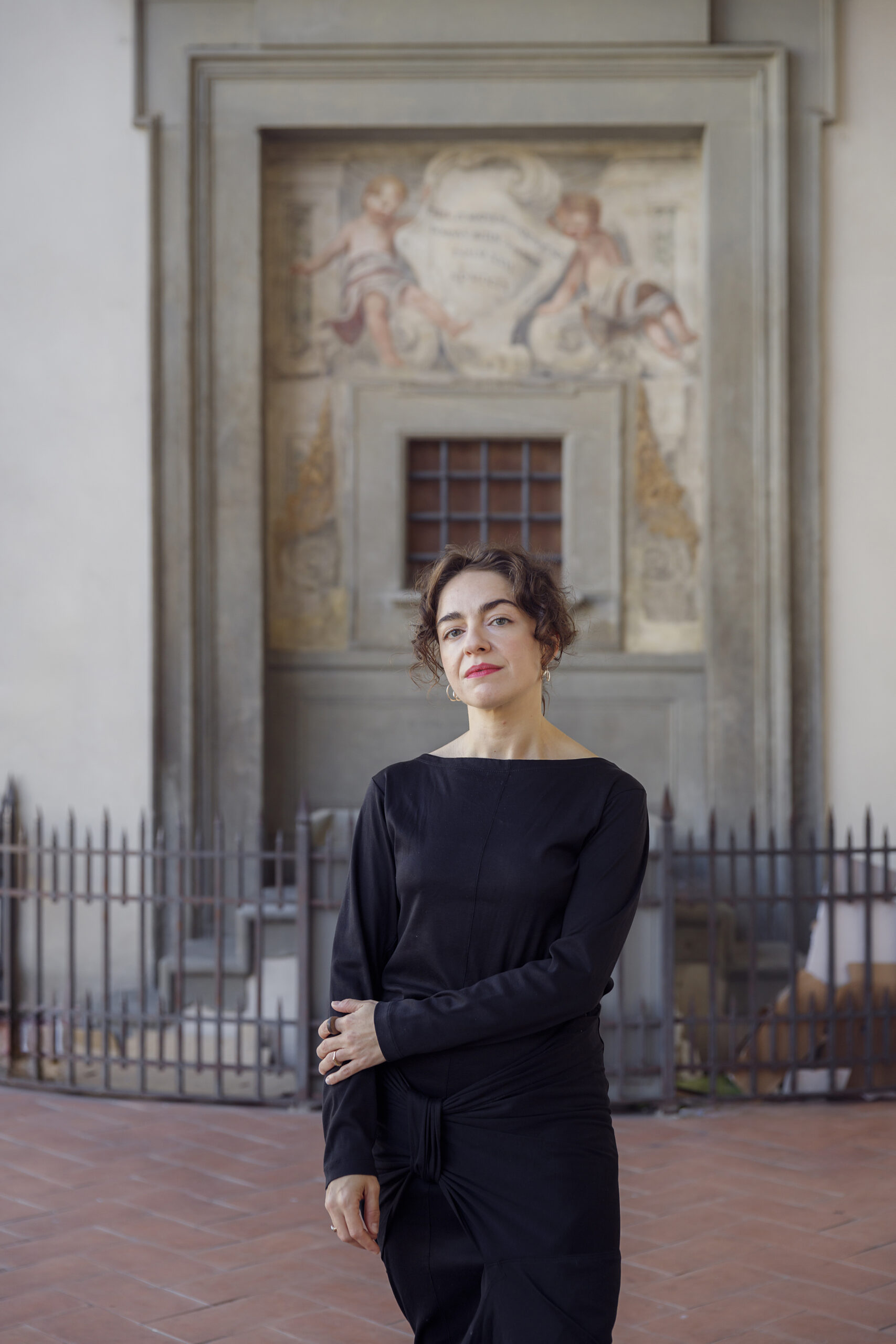
Hell’s Kitchen native Martina D’Amato was 28 when she joined Cora Ginsburg, the storied fashion and textile gallery favored by institutions such as the Met and the Art Institute of Chicago. Her love of design runs in the family: Her aunt, Nancy Palmarini, designed the carpets for the Russian Tea Room in Manhattan. D’Amato was instrumental in bringing the gallery into the social-media space. “It was clear that Instagram would be a great selling tool for us, but I didn’t know just how central it would become to our business in the post-Covid era,” she says. Now, even museum sales arrive through DMs. She notes that the historic textile and fashion space has soared to “unprecedented popularity” powered by a boom in fiber art and a social-media-savvy vintage and academic community. A regular appraiser on Antiques Roadshow, D’Amato champions paywall-free access to art—through digitized gallery catalogues, short-form video content, and public TV—and always keeps hunting. Her recent finds include silk woven for Versailles and a printed cotton by William Kilburn, whose fabrics dressed Queen Charlotte in the 18th century.
Nonesuch Gallery
Founder: Tom Mendel
Location: London
Specialty: 16th-19th century Old Master works on paper
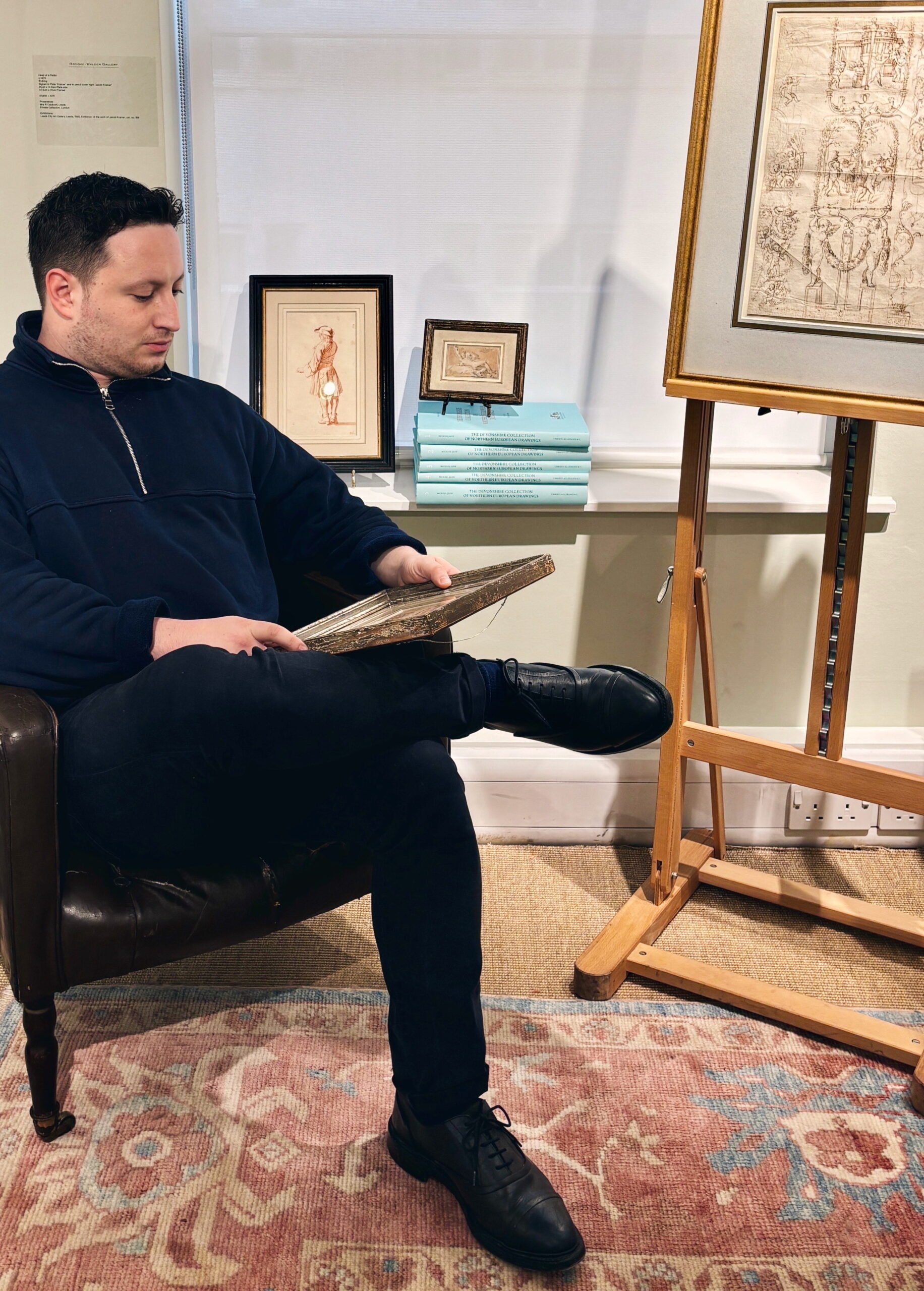
Tom Mendel, who launched Nonesuch Gallery at age 24 in early 2020, is the youngest member of the Society of London Art Dealers (SLAD). Specializing in Old Master works on paper—especially landscapes and Grand Tour subjects—Mendel leans into accessible scholarship to open a category often seen as opaque. A digital native who also still believes in fairs, printed catalogues, and spending time with artworks in person, Mendel brings a 21st-century perspective to earlier centuries, including his fluency with newly digitized archives. He seeks to push collectors beyond first impressions or potential investment returns, comparing his process to the difference between “going to a museum and rushing around it.” One recent coup: a Jonathan Richardson the Elder (1667-1745) drawing he rescued from a rural auction after it was miscatalogued as “20th Century”—and then sold to the Harvard Art Museums.

Willoughby Gerrish
Founder: Willoughby Gerrish
Location: London
Specialty: Impressionism to postwar art, focusing on the 20th century
Willoughby Gerrish opened his eponymous gallery in 2019 with a mandate to unearth the prehistory of modernism. “Modernism didn’t suddenly appear on the 1st of January 1900… there was an amazing burst of creativity by artists in the 50 or so years pre-1900,” he says. His approach appeals to cross-category buyers: a 2024 survey exhibition on bronzes spanned ancient Egypt and Tony Cragg, with one collector purchasing a Bronze Age axehead they installed beside a Barbara Hepworth and a Henry Moore. In 2021, Gerrish opened Thirsk Hall Sculpture Garden in North Yorkshire, expanding his programming to include forest bathing and pizza nights to welcome communities beyond urban collectors. At Frieze Masters, he’ll debut a timely presentation on 20th-century émigré artists. “Given current mass migration around the world, we feel this is both a poignant and challenging subject,” he says.





 in your life?