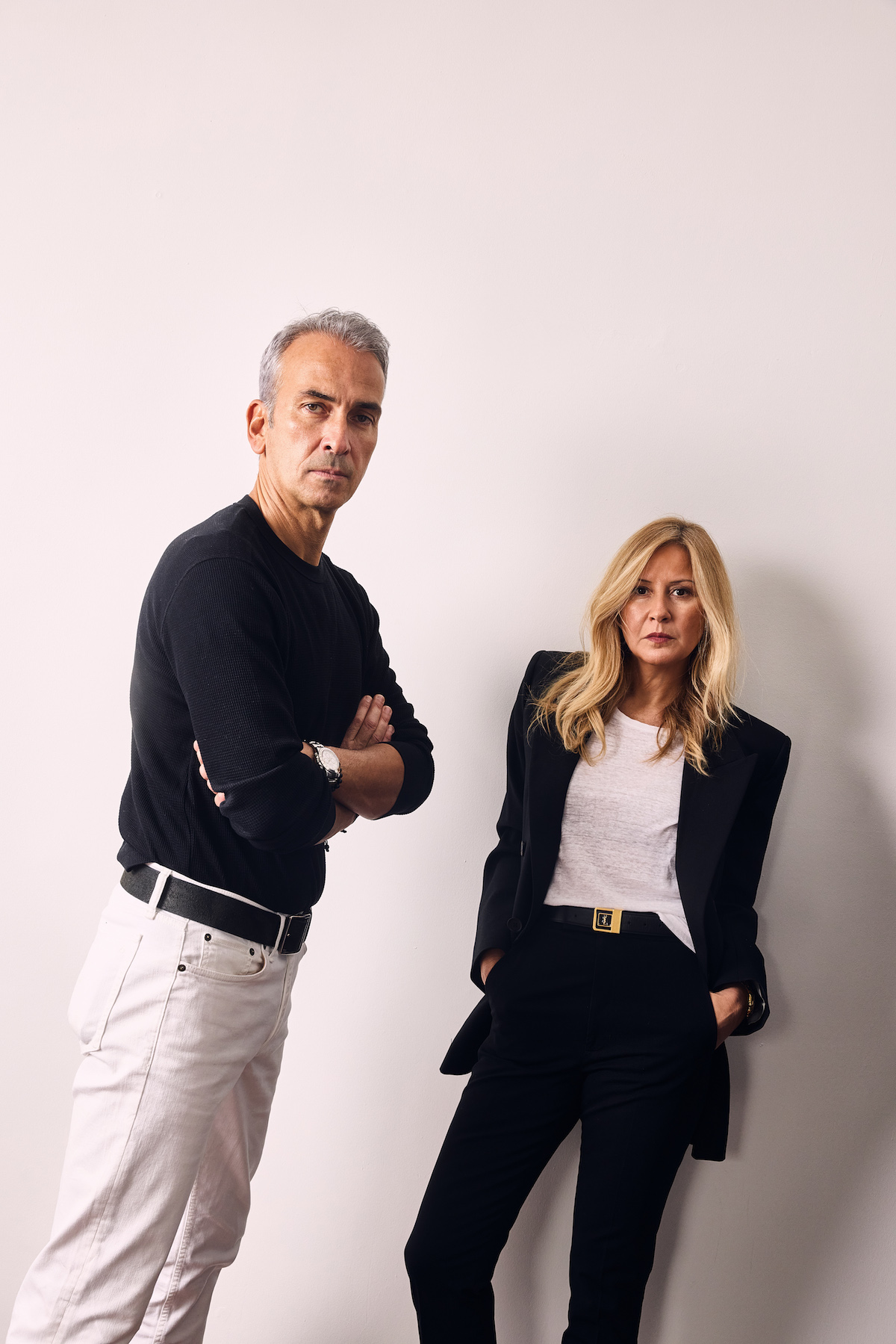
Since 2010, curator Demet Müftüoğlu-Eşeli and filmmaker Alphan Eşeli—cofounders of the Istanbul International Arts and Culture Festival—have sparked rich multidisciplinary dialogues focused on the intersections among the arts. For three days in October, the festival convenes creative minds from the film, technology, photography, literary, and art worlds for a series of panels, screenings, workshops, and exhibitions. This year’s theme, “What Is Really Real?” explores the most pressing subject of our time: the slippery premise of reality in our digitally mediated world. As the festival kicks off, Müftüoğlu-Eşeli and Eşeli sat down with artist José Parlá, a festival board member and frequent collaborator of the organization, to reflect on the weight of truth today.
CULTURED: The theme of this year’s festival is “What Is Really Real?” Why is it so critical to interrogate the fault lines between the authentic and the artificial?
Alphan Eşeli: The subjectivity of reality has always been with us; it’s woven into human nature. We’re moving quickly toward a moment when “artificial” will no longer be synonymous with “inauthentic.” Immediacy, convenience, and the promise of precision are seductive. Our job is to track where things come from and keep our judgment intact as this integration deepens.
Demet Müftüoğlu-Eşeli: The theme is an invitation to pause, question, and reconnect with a sense of wonder, that feeling of being grounded in the world and invited to see it differently.
José Parlá: It has always been important to question what we consider reality and authenticity. We must examine not only the obvious fabrications but also the subtler energies and intentions in the people, environments, and information we surround ourselves with.
CULTURED: José, have these questions of reality versus illusion impacted your artistic practice? Alphan, your filmmaking?
Parlá: Everything I experience finds its way into my paintings and my creative work, and this became especially true after waking from a four-month coma during the early days of the Covid-19 pandemic. The dreams I had in that state registered as real memories, leaving me to navigate the blurred line between those dreams and the shared reality of this dimension. My “CICLOS” series delved into this period of recovery—exploring memory, dreams as reality, and the translation of physicality and movement through painting.
Eşeli: It has always had a huge impact on my work. In every film, my characters encounter events through their own subjectivity; what happens matters less than what it means to them. I’m drawn to ordinary people in extraordinary circumstances, because pressure clarifies; the more extreme the situation, the deeper the search for what’s real.
CULTURED: What has the festival meant to you over these past 15 years?
Eşeli: It’s taught me to trust audiences, listen harder, and meet different views with curiosity. For me, it has always been a renewal.
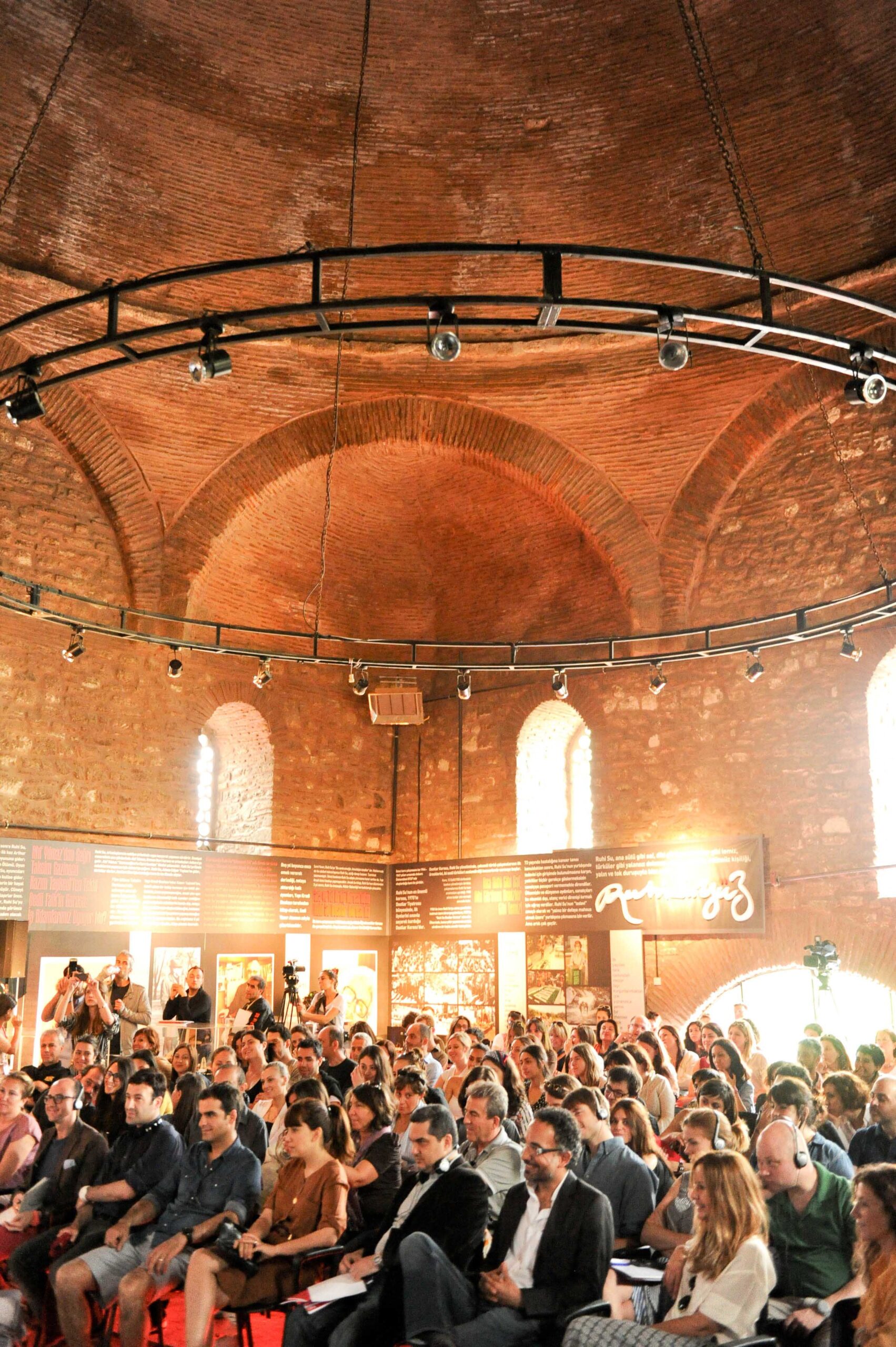
Müftüoğlu-Eşeli: It’s been a love letter to Istanbul and a cultural bridge to the world. The festival has been described as turning the city of Istanbul into a “living laboratory.”
What does this phrase mean to you?
Müftüoğlu-Eşeli: The city becomes our playground. For three days, Istanbul transforms into an open, ever-evolving space where boundaries between disciplines dissolve—where a filmmaker might find themselves in dialogue with a fashion designer, or a world-renowned musician might collaborate with an up-and-coming talent. We experiment not only with artistic formats but with how people encounter and interact with art and with each other. That’s why we choose to realize our main exhibition in a neighborhood setting, integrating it into the city’s daily rhythms.

 in your life?