

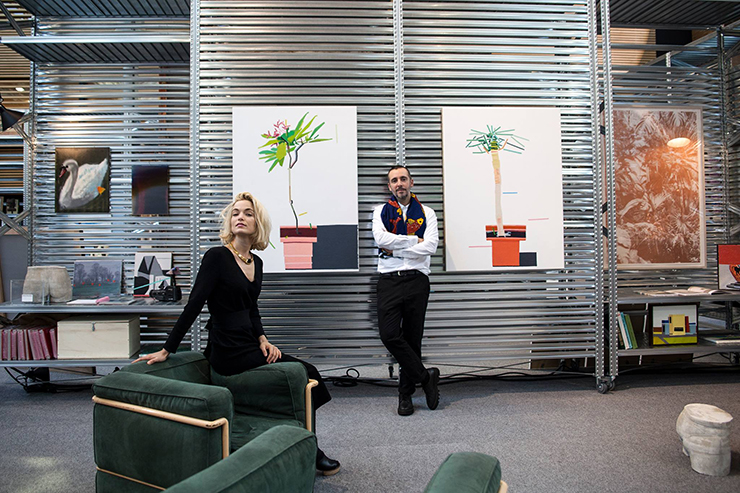
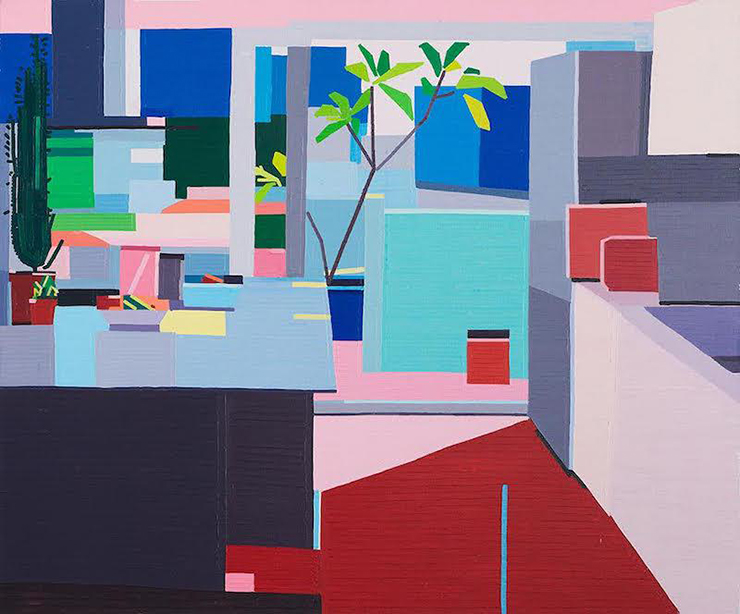
Located in Paris’s Upper Marais district, Galerie Derouillon is a contemporary art gallery that has supported an experimental generation of artists since 2012. “Love of Beginnings” marks the second solo show of artist Guy Yanai at Galerie Derouillion. On the occasion of the opening of Yanai’s exhibition on March 16, Cultured caught up with Director Benjamin Derouillon. Here, Derouillon discusses his transition from stock broker to gallerist, the artists he represents and the influence of technology in modern art.
What inspired you to open Galerie Derouillon? Benjamin Derouillon: I worked for nine years as a stock broker, which in retrospect, did not match me well. I had this fantasy to live a few different professional lives and I dreamed of opening my own business. When I had the opportunity to quit my job, I decided to open the gallery and tried best to defend my choices. If I had to choose an inspirational figure, it would be the boss Léo Castelli, who opened his gallery at age 50 and revolutionized the art market forever.
Why did you decide to represent contemporary artists? How do you decide which artists to seek out? BD: I always regarded art as something very contemporary, a way of questioning our society, so I never imagined not working with living artists. I don’t really have a special line regarding the gallery selection. I’m representing artists I would be very happy to have in my personal collection. I wouldn’t be able to sell any works I’m not fully interested in.
Since your NADA New York debut, what other U.S art fairs have been on your radar? BD: The Armory Show is obviously on the radar, but there are also many other fairs…
In relation to Guy Yanai’s three paintings that will be displayed as the focal point of “Love of Beginnings,” what personal moments would you define as your three beginnings? BD: I would say, my first day at the stock exchange, the opening of my gallery (but every show is really a new beginning, a new challenge) and… my first days as a parent, as my first child is expected in the coming weeks.
Referencing Jonas Unger’s Autoportraits, how do you think technology will continue to influence art? BD: We are living in the largest technological revolution ever and as long as technology plays such an importance in our life, it will be a serious subject for contemporary art. For example, our last two exhibitions POST TRUTH II by Ry David Bradley and RGB by Annabelle Arlie were mainly concerned by the impact of the Digital Revolution on our lives.
What rules, culture, or structure needs to exist to successfully foster a group show? BD: Our first group show was held during a very quiet period for the art business (there are a lot of quiet months in France). We decided to put aside any business considerations and focus only on the show and what we wanted to see at that moment.
We’ve stuck to this idea and have had the chance to present numerous group shows that have brought not only returning visitors and clients, but attention from the press and critics. The only rule to follow is to please each and every group in attendance and then the magic happens.
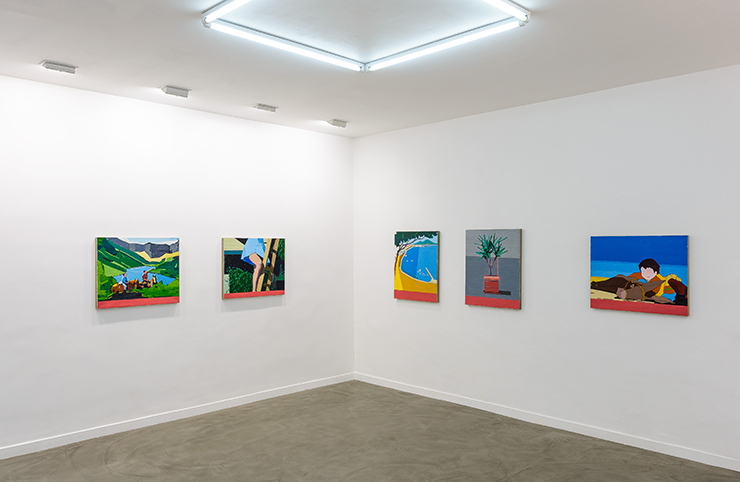
Do you think the gallery scene in Paris has changed in the last five years? Do you think it will change substantially in the near future? BD: It’s not easy for me to compare with the past as I wasn’t there before, but I have the feeling that Paris is more and more becoming a dynamic city regarding contemporary art. There is a huge base of collectors, growing artist initiatives, great galleries and fantastic institutions. Paris is back in the game!



 in your life?