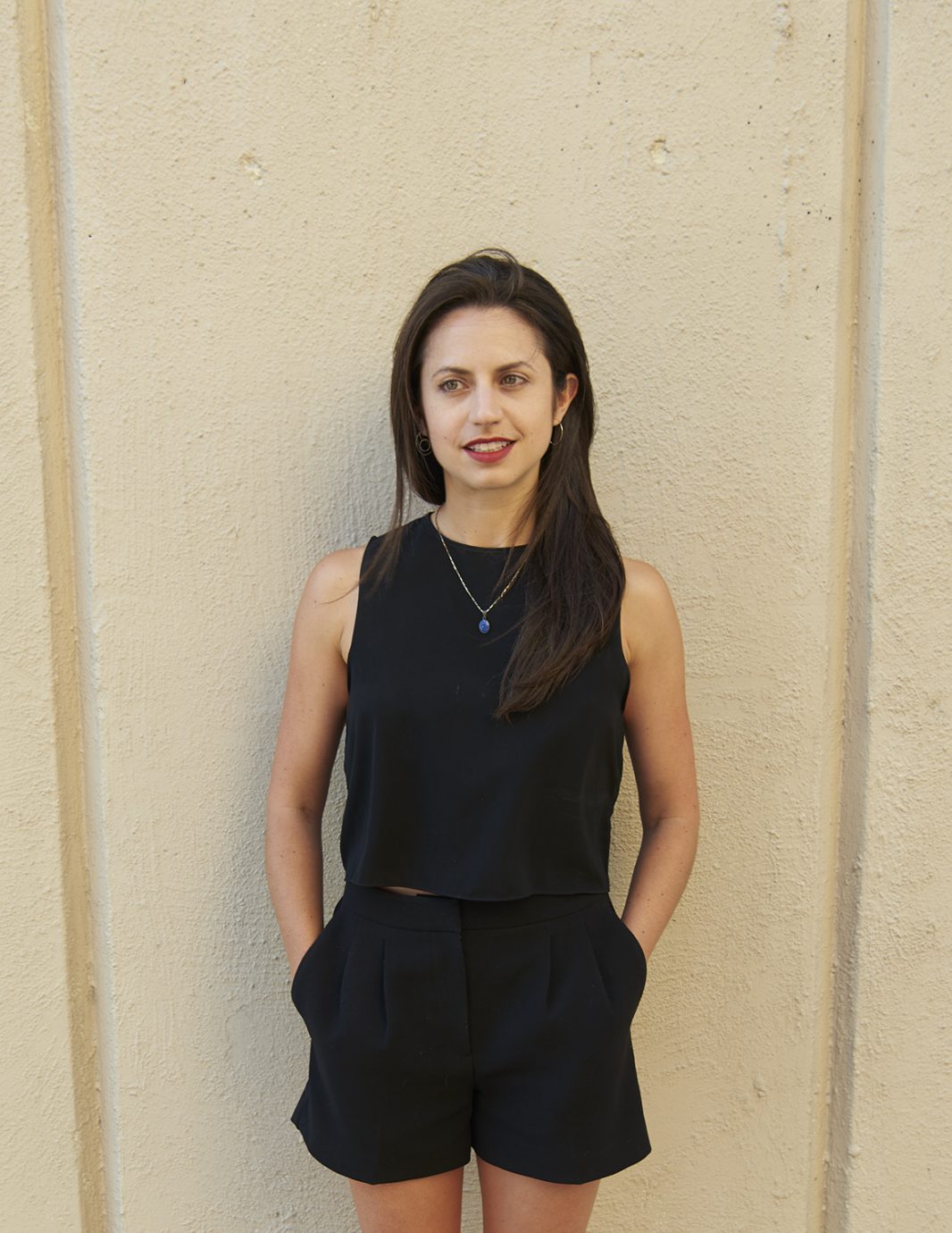
Madeline Hollander sees choreography all around us. These designed movement sequences, which include everything from the way we interact with touch screens to the Heimlich maneuver, do not interest the New York-based artist simply for their aesthetic qualities, but rather their troubled translation to the law and preservation. In Hollander’s work, the struggle for companies, such as Apple, copyright and brand certain movements folds onto a history of artists, including Tino Sehgal, creating contracts around their ephemeral performances.
“One reason I’m interested in the copyright of movement sequences is its ability to collapse scale, context, and intention,” Hollander says. “While it’s common for a product, protocol or interface design to be copyrighted because of its commercial use or potential liability issues, it’s not that common to copyright choreographic sequences. This inverts the role of what is spectacle and what is functional, and what is performance and what is a tool.”
In her own practice, Hollander operates like a scientist. Her performances begin with months of research, followed by rigorous testing and dissection in the dance studio. “When I’m interested in a specific movement sequence and bring it into the rehearsal space, it is like putting it under a microscope,” Hollander says. “My process is definitely closer to an examination than invention.”
The precision of Hollander’s work in the studio plays out into the final work. Her performances are not about spectacle but are treated as installations, both in life and on paper. Each performance is completed by a series of documents and totems, including Hollander’s hand recorded notation of each choreography using a system she designed that includes color punctuations. This spring, Hollander, who has synesthesia, will publish her first book of these unique indexical drawings with Peradam Press. In addition to the monograph, next season Hollander will be doing a show with the Artist’s Institute in New York City.
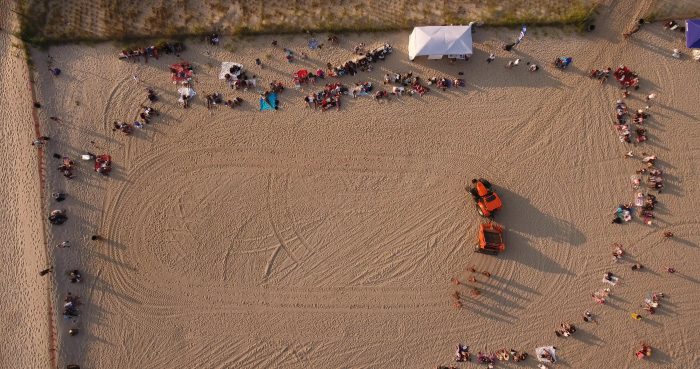
Besides her upcoming projects, Hollander has also been working is on a new series of performances. Among them is one that meditates on the global sand shortage. New Yorkers caught their first glimpse of her work delving into this issue when the artist staged Arena (2017) at Rockaway Beach this summer. During the performance, a drone flew overhead capturing a duet between seven dancers and a beach-rake truck as they acted as one, drawing and erasing patterns on the sand in one continuous loop until sunset.


 in your life?