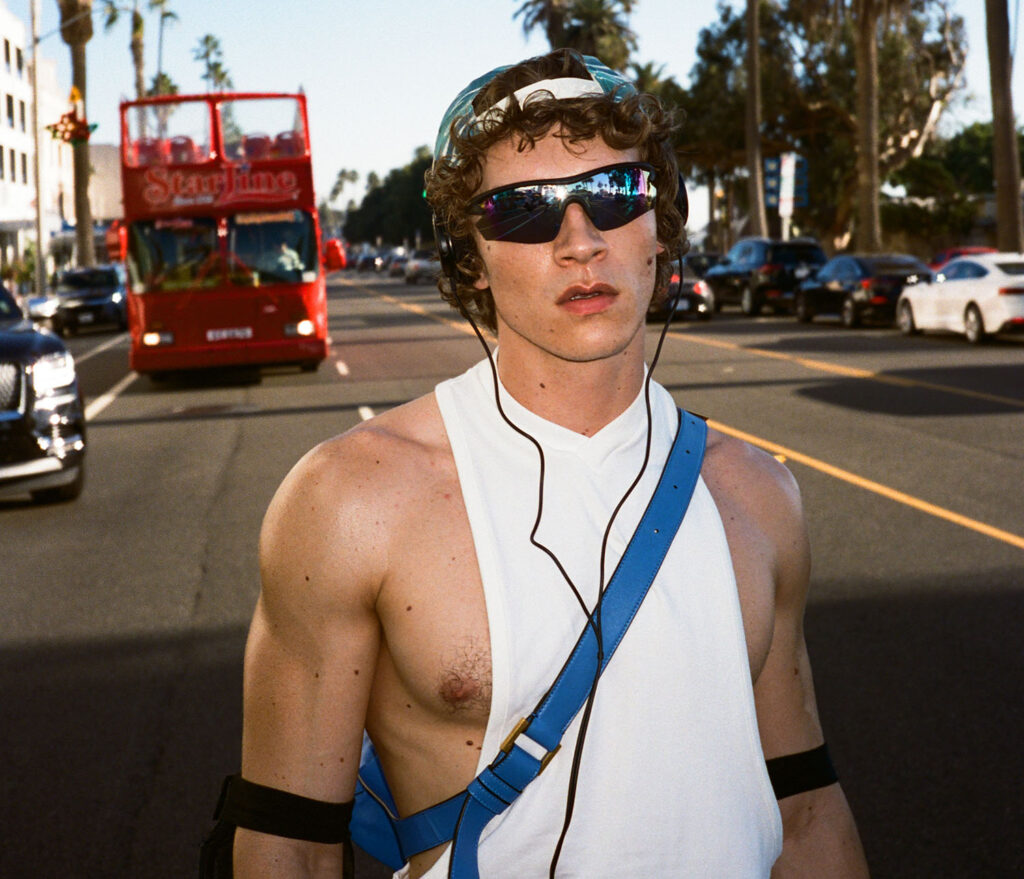

Moving fluidly from medium to medium, the New York-based artist creates sculptures, paintings, and photographs that keep the eye moving.

WORDS

DATE

SHARE

Twitter
LinkedIn
Facebook
Email


Borna Sammak’s restless energy flows into his work. Moving fluidly from medium to medium, the New York-based artist creates sculptures, paintings, and photographs that keep the eye moving. “Pictorially I’ve been trying to make the same thing since I was a kid,” Sammak says. “When I was in high school in 2001 or 2002, I was an apprentice at at fabric workshop and I made this repeating screen print all made of arrows. If you look at what my work does now, it operates the same way. It doesn’t let your eye leave the pictoral; you are in a kind of figure eight or ouroboros or something.”

Borna Sammak
Borna Sammak’s Not Yet Titled, 2017. Image courtesy of artist and JTT.

Sammak draws his mesmerizing imagery from the everyday. Take for example paintings like Hoagie Nose (2015) and You Could (2017), which the artist made from layering ironing t-shirt decals on a canvas. “I try to keep what winds up in the art, whether it’s the t-shirt decals or the signage, to real life,” he says. “I never want to put something in my work that you don’t see out in the world.” Another piece, Two Full Height Turnstiles Stuck In Each Other (2016), shows the way the architecture and street culture of New York intervenes directly into his formal, albeit humorous, investigations.

This spring, Sammak will stage solo exhibitions at his two main galleries, JTT and Sadie Coles. When we spoke in the fall, the ideas for the show were still percolating but Sammak’s focus was on expanding his vocabulary, specifically his talents as a draftsman and a sewer. “If I could draw, maybe I could plan for once,” he says.

Your Reservation Has Been Confirmed

Take a seat at the Critics’ Table and get independent criticism delivered to your inbox weekly.

You’ve almost hit your limit.

You’re approaching your limit of complimentary articles. For expanded access, become a digital subscriber for less than $2 a week.
You’re approaching your limit of complementary articles. For expanded access, become a digital subscriber for less than $2 a week.

Already a Subscriber? Sign in Here

You’re approaching your limit of complementary articles. For expanded access, become a digital subscriber for less than $2 a week.

GET ACCESS

Already a Subscriber? Sign in Here

Want more in your life?

For less than the price of a cocktail, you can help independent journalism thrive.

Pop-Up-1_c
Already a Subscriber? Sign in Here
Pop-Up-1_c

Already a Subscriber? Sign in Here

Want more in your life?

For less than the price of a cocktail, you can help independent journalism thrive.

Pop-Up-1_c
Already a Subscriber? Sign in Here
Pop-Up-1_c

Already a Subscriber? Sign in Here

You’ve almost hit your limit.

You’re approaching your limit of complimentary articles. For expanded access, become a digital subscriber for less than $2 a week.

You’re approaching your limit of complementary articles. For expanded access, become a digital subscriber for less than $2 a week.
Already a Subscriber? Sign in Here
You’re approaching your limit of complementary articles. For expanded access, become a digital subscriber for less than $2 a week.

Already a Subscriber? Sign in Here

This is a Critics' Table subscriber exclusive.

Subscribe to keep reading and support independent art criticism.

Already a Subscriber? Sign in Here

Want more in your life?

For less than the price of a cocktail, you can help independent journalism thrive.

Pop-Up-1_c

Already a Subscriber? Sign in Here

Pop-Up-1_c

Already a Subscriber? Sign in Here

You’ve reached your limit.

Sign up for a digital subscription, starting at less than $2 a week.

Already a Subscriber? Sign in Here

Want a seat at the table? To continue reading this article, sign up today.

Support independent criticism for $10/month (or just $110/year).

Already a subscriber? Log in.